2026-27 Purdue Boilermakers Basketball Preview, History, Stars, Strategy, and Season Outlook

Purdue basketball rarely sells mystery. The Boilermakers usually tell opponents exactly what is coming: physical screens, disciplined guards, smart post play, clean spacing, and 40 minutes inside one of the loudest arenas in the Big Ten.
The 2026-27 season should fit that identity, even if the final roster shape depends on returning players, transfer decisions, freshman development, and the normal churn of modern college basketball. Purdue’s best teams under Matt Painter have not been built on chaos. They have been built on continuity, skill development, and role clarity.
This preview looks at the full picture: the history that gives Purdue its standard, the traditions that make Mackey Arena different, the player roles that will define the season, Painter’s likely strategic priorities, and the challenges waiting in a deeper, coast-to-coast Big Ten.

Purdue basketball history explains the expectations
Purdue is not a program trying to invent a basketball identity. It has carried one for more than a century.
The Boilermakers have long been tied to Big Ten success, player development, and a proud line of stars. Purdue’s official athletics site keeps a useful archive for team records, rosters, schedules, and historical context at PurdueSports.com. For broader year-by-year results, Sports Reference’s Purdue men’s basketball page is one of the best public databases.
The program’s history includes some of the sport’s most respected names:
John Wooden
Before he became the legendary UCLA coach, Wooden starred at Purdue and helped shape the program’s early national profile.
Rick Mount
One of college basketball’s great scorers, Mount remains an iconic Purdue name and a symbol of Indiana basketball skill.
Joe Barry Carroll
A dominant big man who helped Purdue reach the 1980 Final Four.
Glenn Robinson
“Big Dog” led Purdue in the early 1990s and won national player of the year honors before becoming the No. 1 pick in the 1994 NBA Draft.
Robbie Hummel, JaJuan Johnson, E’Twaun Moore, Caleb Swanigan, Carsen Edwards, Jaden Ivey, and Zach Edey
Different eras, different styles, same theme: Purdue develops players who become college stars.
The modern high point came with the 2024 run to the national championship game. Purdue did not win the title, but that season mattered. It reset the national conversation around the program after years of postseason heartbreak. Zach Edey’s dominance, the guard play around him, and Painter’s adjustments showed how strong Purdue can be when its system has the right mix of size and shooting.
For full NCAA Tournament history, the NCAA’s official historical records are worth bookmarking through NCAA.com men’s basketball history. For Big Ten context, the conference’s official site at BigTen.org tracks standings, honors, and league news.
Purdue’s standard is simple: compete for the Big Ten, protect Mackey Arena, and build a team good enough to matter in March.
The traditions make Purdue more than a box score
Purdue basketball is easier to appreciate once the setting is understood. Mackey Arena is not just a building where Purdue plays home games. It shapes the way games feel.
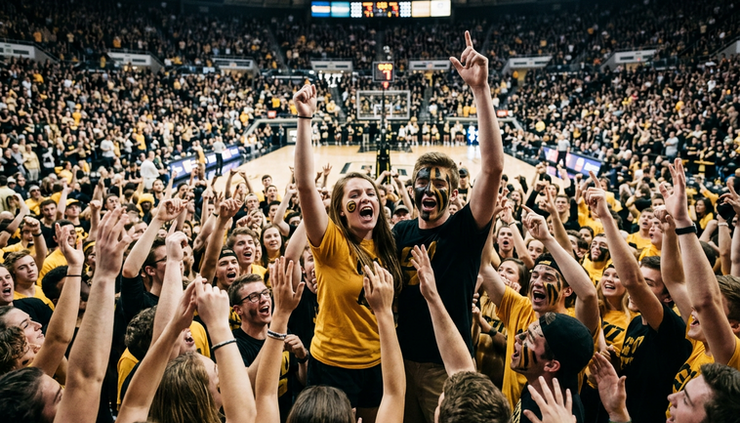
The low ceiling, steep seating, and student noise create pressure that visiting teams feel early. The Paint Crew, Purdue’s student section, gives Mackey a sharp edge, especially in conference play. When Purdue gets a run, the arena can feel like it is closing in.
Several traditions give the program its personality:
“Boiler Up”
The most familiar phrase around Purdue athletics. It works as a greeting, a celebration, and a challenge.
Purdue Pete
The mascot is one of the most recognizable figures in college sports.
The Boilermaker Special
The train-inspired official mascot connects the athletic program to Purdue’s engineering and railroad heritage.
“Hail Purdue”
The fight song ties together football Saturdays, basketball nights, alumni events, and campus pride.
The Indiana rivalry
Purdue and Indiana carry one of the sport’s best in-state rivalries. The games are rarely ordinary, no matter where the teams sit in the standings.
New fans often start with wins and rankings. Longtime followers know the deeper appeal: Purdue basketball has a strong sense of place. It feels local, even when the stakes are national.
The 2026-27 roster will depend on roles more than names
Projecting a specific 2026-27 depth chart is risky because college basketball rosters now change quickly. The transfer portal, NBA Draft decisions, injuries, redshirts, and late recruiting moves can alter a team in weeks. Purdue’s official roster page should be the first stop for confirmed names when the season approaches: Purdue men’s basketball roster.
That said, Purdue teams under Painter usually need the same core pieces to contend.
The lead guard must control tempo
Purdue’s offense works best when the point guard values possessions. The lead guard does not need to be a high-volume scorer every night, but this player must organize sets, feed the post, attack closeouts, and limit live-ball turnovers.
The Boilermakers have had strong guard play in recent years because Painter puts guards in clear decisions. Make the entry pass. Read the screen. Hit the weak-side shooter. Get the ball moving before the defense sets.
In 2026-27, Purdue’s ceiling will depend heavily on whether its lead guard can win late-clock possessions. March games often become uncomfortable. The best teams need a guard who can create something when the first action breaks down.
The frontcourt has to anchor the identity
Purdue has built much of its modern reputation through skilled size. That does not mean every team needs a Zach Edey type. Very few programs ever have one. It does mean Purdue usually expects its bigs to screen, rebound, pass, defend without fouling, and finish through contact.
The key frontcourt question for 2026-27 is whether Purdue can combine size with mobility. Big Ten play will test centers in ball-screen defense, but NCAA Tournament opponents often hunt mismatches with four shooters and fast guards. Purdue’s best version will need a big who can punish switches on offense without becoming a target on defense.
The wings may decide the season
This is the swing area. Purdue can be very good with steady guards and reliable bigs. To become elite, it needs wings who defend multiple positions and shoot well enough to keep the floor open.
The most valuable wing on the 2026-27 roster may not be the leading scorer. It could be the player who guards the opponent’s best scorer, rebounds from the weak side, and hits two corner threes in a tight road game.
For tracking recruiting movement and scholarship outlooks, national recruiting outlets such as 247Sports Purdue basketball coverage and Rivals Purdue coverage can provide useful updates. Treat recruiting rankings as context, not certainty. Purdue’s history is full of players who outperformed their early labels.
Matt Painter’s strategy should still start with discipline
Matt Painter’s teams are usually easy to identify. They run purposeful offense, value spacing, and make opponents defend repeated actions. Purdue does not rely on random isolation as a first option. It tries to create advantages through screening, timing, and passing.
That approach should carry into 2026-27.
Expect inside-out offense
Purdue at its best forces the defense to make a choice. Help inside and give up open threes, or stay attached to shooters and risk single coverage in the paint.
Even without an all-time center, that inside-out idea can travel. Post touches can come from a true center, a power forward duck-in, a guard posting a mismatch, or paint pressure off drives. The goal stays the same: touch the paint, shift the defense, and create a clean shot.
Fans can track Purdue’s offensive profile through public analytics pages such as KenPom and Bart Torvik’s college basketball ratings. Some features may require subscriptions or have limited access, but the efficiency trends are useful for understanding how Purdue wins.
Screening will create the first advantage
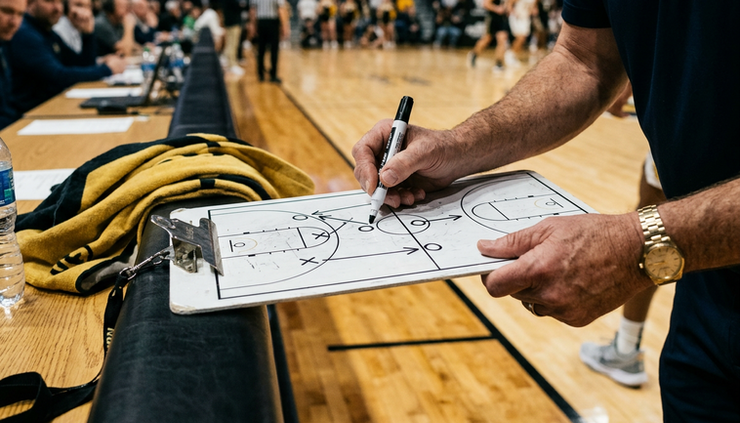
Painter’s offense often depends on strong screens, not just strong shooters. Purdue bigs are expected to free guards. Guards are expected to set up cuts. Wings must read whether to curl, flare, pop, or slip.
That attention to detail can look simple when it works. It is not. It takes timing, strength, and trust.
Defense has to be flexible
The modern Big Ten creates very different defensive problems. Some teams play through power forwards. Some spread the floor with five shooters. Some push tempo. Some run endless ball screens.
Purdue’s 2026-27 defense will need more than size. It will need guards who fight over screens, wings who can switch without losing rebounding position, and bigs who protect the rim while still handling space.
The Boilermakers do not need to play one defensive style all season. Their best path may involve mixing coverages based on personnel, especially against teams that can expose slower matchups.
The biggest challenges are clear before opening night
Every Purdue season now carries high expectations. That is a compliment, but it also raises the pressure. The 2026-27 team will face several tests that could shape its ceiling.
The Big Ten schedule is tougher to manage
The expanded Big Ten changed the rhythm of the league. Trips to the West Coast, longer travel weeks, and unfamiliar venues can affect routine. Purdue’s depth will matter more because fatigue can show up in shooting legs and defensive focus.
The league also gives teams fewer easy nights. A mid-tier Big Ten opponent can still have an NBA-level guard, a veteran transfer frontcourt, or a unique home environment.
Purdue must replace leadership every year
College basketball teams turn over faster than they used to. Purdue’s culture helps, but leadership still has to be earned inside each new locker room.
The 2026-27 team will need clear voices. One player has to steady the group after a bad road loss. Another has to demand defensive effort in practice. Another has to accept a lower-usage role without losing impact.
Those pieces rarely show up in preseason rankings, but they often decide close games.
March spacing will matter
Purdue fans know this better than most: regular-season strength does not guarantee NCAA Tournament comfort. Opponents get more time to scout. Weaknesses get targeted. Games slow down.
For Purdue, that means shooting is not a luxury. It is protection. Good spacing keeps post play alive, gives guards driving lanes, and prevents defenses from loading up on one star.
The 2026-27 team does not need five elite shooters. It does need enough credible threats to punish help defense.
The transfer portal cuts both ways
Painter has long preferred development and continuity, but no major program can ignore the portal. The right veteran addition can solve a specific problem, such as backup point guard, wing defense, or frontcourt depth.
The risk is fit. Purdue’s system asks players to screen, pass, defend, and accept structure. A talented transfer who needs the ball every possession may not help as much as a lower-profile player who fills the exact role.
What a successful 2026-27 season would look like
A strong Purdue season will not be defined only by November hype or February rankings. The signs should be visible in the details.
Look for these markers:
A stable guard rotation
Purdue needs clean decision-making and late-game poise.
Consistent rebounding
The Boilermakers cannot let smaller, faster teams steal extra possessions.
Wing defense that holds up
March matchups often start here.
Enough three-point shooting
Purdue’s offense needs space, even when the post game is working.
A clear closing lineup
By February, Painter should know which five players he trusts when the score is tight.
If those pieces come together, Purdue should again have the shape of a Big Ten contender and a dangerous NCAA Tournament team. If they do not, the Boilermakers may still win plenty at Mackey but struggle to separate from the crowded top half of the league.
The takeaway for Purdue fans
The 2026-27 Boilermakers should be judged through the program’s long-running formula: player development, efficient offense, physical rebounding, disciplined guards, and a home court that can swing games.
Purdue’s history gives the season weight. Its traditions give it color. Painter’s system gives it a floor. The unanswered questions, especially at guard, wing, and frontcourt flexibility, will decide whether the team’s ceiling is good, great, or Final Four good.
For new fans, this is a strong season to start paying attention because Purdue basketball offers more than wins. It offers a clear identity. For seasoned followers, the intrigue is familiar: another roster, another winter at Mackey, another chance to turn Big Ten strength into March staying power.

Comments