2026 Georgia Bulldogs Football Tradition History and Game Day Spirit

Georgia football never feels like a single season. It feels like Saturdays stacked across generations, from Sanford Stadium’s hedges to the Chapel Bell, from Herschel Walker’s freshman burst to Stetson Bennett’s final bow. The 2026 Georgia Bulldogs will take the field with their own goals, roster battles, and defining moments, but they will also carry one of college football’s richest inheritances.
That is what makes the Bulldogs different. Every new team steps into a story that began long before them. The jersey colors, the barking crowd, the Redcoat Band, the pregame walk, the live mascot, the old radio calls, and the expectation to compete for championships all shape what it means to play football in Athens.

The 2026 Bulldogs inherit more than expectations
The 2026 Georgia Bulldogs Football team will be judged by wins, losses, rivalry results, postseason stakes, and player development. That is the nature of the program now. Georgia has built a modern standard under head coach Kirby Smart, a former Bulldog defensive back who returned to Athens and helped push the program into the sport’s top tier.
That modern standard rests on older foundations. Georgia played its first football season in 1892, and the program has grown into one of the signature names in the Southeastern Conference. Sanford Stadium opened in 1929 and became one of the sport’s most recognizable venues, not just because of its size, but because of the hedges that frame the field and the noise that rolls down from the stands.
By 2026, any Georgia team understands the deal. A good season is not enough if the details slip. A top recruit arrives knowing that practice battles matter. A new starter knows the crowd expects poise in big moments. A captain knows that “finish” means more in Athens because so many past Bulldogs have built their reputations in the fourth quarter.
That pressure can be heavy, but it also gives the program its edge. Georgia players do not have to invent an identity every year. They inherit one.
For official updates on the current team, schedules, rosters, and tickets, the best starting point is the university’s athletics site at GeorgiaDogs.com.
Georgia’s history is built through milestones
Georgia football history has several clear turning points. Each one added a layer to the program’s personality.
The early decades gave Georgia its place in Southern football. Coaches and players helped move the Bulldogs from a regional program into a national name. Sanford Stadium’s opening in 1929 gave the team a home worthy of its ambitions. It also gave fans a place where customs could harden into tradition.
The 1942 season stands among Georgia’s great early peaks. Led by legendary figures such as Frank Sinkwich and Charley Trippi, the Bulldogs rose to national prominence. Sinkwich became Georgia’s first Heisman Trophy winner, and Trippi later built one of the most admired athletic legacies in school history.
Then came 1980, the season that still lives in Georgia memory as a perfect blend of talent, timing, and belief. Freshman running back Herschel Walker gave the Bulldogs a force unlike anything most opponents had seen. Head coach Vince Dooley’s team went unbeaten and defeated Notre Dame in the Sugar Bowl to claim a national championship.
The modern chapter brought another surge. Georgia reached the College Football Playoff national championship game after the 2017 season, falling just short against Alabama. That pain later became part of the climb. The Bulldogs broke through after the 2021 season, beating Alabama for the national title, then followed with another championship after the 2022 season. The 2022 team ended the run with a dominant title game win over TCU, sealing one of the most impressive two-year stretches in recent college football.
A simple timeline shows how deep the roots run:
Era | Milestone | Why it matters |
1892 | Georgia plays its first football season | The start of a program that became central to SEC football |
1929 | Sanford Stadium opens | Athens gains one of college football’s iconic homes |
1942 | Georgia rises to national championship level | Frank Sinkwich and Charley Trippi help define early greatness |
1980 | Georgia completes an unbeaten title season | Herschel Walker and Vince Dooley become forever linked to Bulldog glory |
2017 | Georgia returns to the national title stage | The Kirby Smart era announces itself nationally |
2021 and 2022 | Back-to-back national championships | Georgia cements its place among the sport’s modern powers |
For deeper historical context, the New Georgia Encyclopedia entry on Georgia Bulldogs football is a useful resource. The College Football Reference Georgia page is also helpful for season-by-season records and player history.

Notable Bulldogs shaped the program’s identity
Georgia’s best players are remembered for different reasons. Some gave the program national awards. Some delivered rivalry wins. Some became NFL stars. Others became beloved because they embodied the way Georgia fans want the team to play: tough, prepared, and fearless.
A few names belong in nearly every Georgia conversation.
Frank Sinkwich
Sinkwich won the Heisman Trophy and helped lift Georgia into the national spotlight during the 1940s. His story remains part of the school’s early football identity.
Charley Trippi
Trippi was one of Georgia’s great all-around athletes. His versatility and success made him a lasting figure in both college and professional football history.
Fran Tarkenton
Before he became an NFL Hall of Fame quarterback, Tarkenton starred in Athens. His creativity and competitiveness made him one of the most important quarterbacks in Georgia history.
Herschel Walker
Walker’s 1980 freshman season still feels almost mythical to Georgia fans. His power, speed, and production changed the program’s ceiling and helped deliver a national championship.
Champ Bailey
Bailey was one of the rare players who could change a game in several ways. His athletic ability at Georgia made him one of the most gifted Bulldogs of the modern era.
David Pollack
Pollack became a symbol of relentless defensive play in the early 2000s. His motor and production made him a fan favorite and one of the SEC’s most respected defenders.
Matthew Stafford, A.J. Green, Todd Gurley, Nick Chubb, and Sony Michel
These players helped bridge eras. They gave Georgia star power, NFL talent, and unforgettable Saturdays, even before the program’s recent title breakthrough.
Roquan Smith, Jordan Davis, Nakobe Dean, Brock Bowers, and Stetson Bennett
This group helped define Georgia’s championship rise. Davis and Dean became faces of elite defense. Bowers became one of college football’s most dangerous tight ends. Bennett, a former walk-on, turned persistence into championship legend.
By 2026, the newest Bulldogs will not need to match those names right away. But they will live with the standard those players set.
Memorable games explain why the stories last
Georgia history is full of games that fans can identify from a phrase, a call, or a single image.
The 1980 game against Florida gave Georgia one of its most famous moments. Buck Belue’s pass to Lindsay Scott, remembered through Larry Munson’s “Run Lindsay” call, still stands as one of the defining plays in Bulldog lore. It was not just a touchdown. It protected an unbeaten season and became part of Georgia’s shared language.
The 2017 Rose Bowl against Oklahoma gave a new generation its own classic. Georgia battled through a wild College Football Playoff semifinal and won in double overtime. Sony Michel’s final touchdown run sent the Bulldogs to the national championship game and reminded fans that Georgia could win on the biggest stage again.
The 2021 national championship win over Alabama carried a different weight. Alabama had been Georgia’s mountain for years. When Kelee Ringo returned an interception for a touchdown late in the game, the moment felt like release. The Bulldogs had not only won a title. They had changed the story.
The 2022 Peach Bowl against Ohio State added another chapter. Georgia survived a tense semifinal on New Year’s Eve, then carried that momentum into the championship game against TCU. The title game itself became a display of talent, preparation, and confidence.
These games matter because they keep the program alive between seasons. Fans do not just remember the final score. They remember where they watched, who they hugged, what the stadium sounded like, and how Athens felt afterward.

Game day in Athens turns tradition into sound
A Georgia home game is not only a sporting event. It is a full Saturday rhythm.
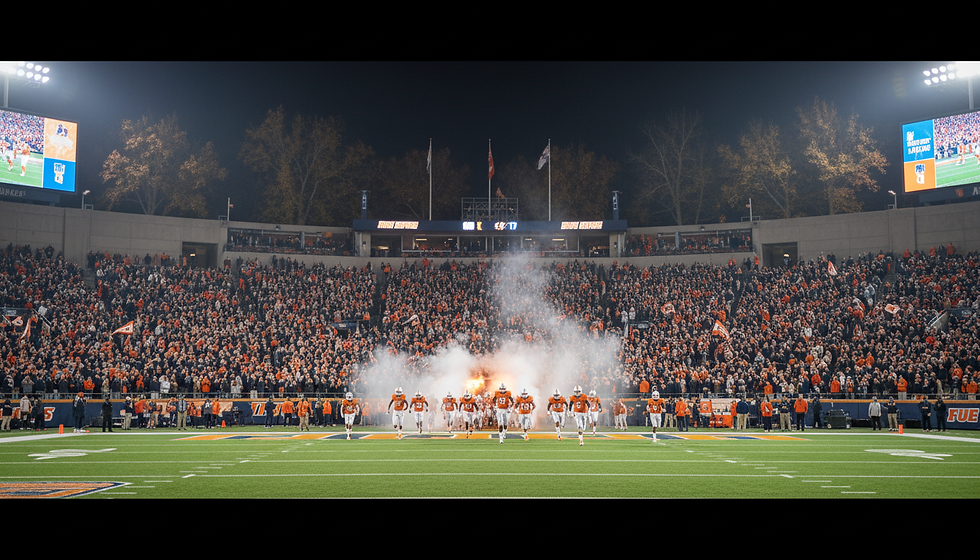
The day often starts early, with tailgates spread across campus and downtown Athens filling with red and black. Families return to the same spots year after year. Students move in groups toward the stadium. Alumni swap stories about old games. Visitors quickly learn that Georgia fans do not treat pregame as background. It is part of the main event.
A few rituals define the day:
Calling the Dawgs The drawn-out “Go Dawgs” chant is simple, loud, and unmistakable. It connects a student in the upper deck with an alum who has held season tickets for decades.
The Dawg Walk Fans line up to greet the players as they enter the stadium area. It gives the team a close look at the people behind the noise.
The Redcoat Band The band supplies much of the emotional pulse of the day. Pregame music, fight songs, and familiar stadium cues knit the crowd together.
Uga and the mascot tradition The live bulldog mascot is one of college football’s best-known symbols. Uga’s presence brings charm, continuity, and a bit of old-school pageantry to the sideline.
The Chapel Bell After big wins, fans have long celebrated by ringing the Chapel Bell on campus. It is one of Georgia’s clearest links between football and university life.
The hedges The hedges at Sanford Stadium are more than scenery. They help give the field its look, and they remind everyone that Georgia football has its own sense of place.
Larry Munson also belongs in any discussion of Georgia game day spirit. His radio calls gave emotion to the biggest moments. Munson did not sound detached. He sounded like the nerves of the fan base had found a voice.
For fan coverage and community conversation, sites such as DawgNation, SicEmDawgs, and Dawgs247 offer year-round updates, analysis, and recruiting discussion.
The 2026 season will add its own chapter
No one knows in advance which game will define the 2026 Bulldogs. It may be a rivalry win over Florida, Auburn, Georgia Tech, or Tennessee. It may be a road test in a loud SEC stadium. It may be a young player’s breakout performance. It may be a defensive stand that does not seem season-defining until December.
That uncertainty is part of the appeal. Georgia’s history is large, but it never freezes the program in place. Each team gets room to add something.
For the 2026 Bulldogs, the core questions will likely feel familiar:
Can the offensive line control the line of scrimmage?
Can the quarterback protect the ball and create big plays?
Can the defense play with Georgia’s usual speed and discipline?
Can young talent handle SEC pressure?
Can the team stay steady when every opponent treats Georgia as a measuring stick?
Those questions return because the standard remains high. Georgia has become a program that expects to recruit elite players, develop them, and compete deep into the postseason. That does not guarantee anything. It does make every fall in Athens feel important before the first kickoff.
The best way to follow the 2026 team as details become official is through Georgia’s official football schedule and roster pages, along with university releases and trusted beat coverage.

Why Georgia football still feels personal
Georgia football matters because it ties personal memory to public tradition. A fan may remember a grandparent talking about Vince Dooley. A student may remember a first night game in Sanford Stadium. A former player may remember a practice rep that earned trust. A child may remember seeing Uga for the first time.
That mix gives Georgia its staying power. Championships raise the stakes, but the culture gives the program its soul. The 2026 team will be part of that exchange. Players will draw energy from the crowd, and the crowd will look for signs that this group understands what the “G” asks of them.
The next chapter has not been written yet. That is the beauty of it. The history is already rich, the rituals are already loud, and the expectations are already waiting. When the 2026 Bulldogs run onto the field, they will not be starting from scratch. They will be stepping into a story that Athens has been telling for more than a century, one Saturday at a time.

Comments