2026 Indianapolis Colts Season Review Key Players Standout Moments and Team History

The Colts are rarely boring. Even in years defined by injuries, roster change, or uneven results, Indianapolis gives fans something to argue about on Monday morning and something to believe in by Wednesday.
That makes the 2026 season especially interesting. The franchise sits at the intersection of two stories: a proud history built on Hall of Fame names, dramatic playoff runs, and one of the NFL’s most recognizable fan bases, and a current team still trying to turn talent into steady January football.
Because the 2026 regular season is still unfolding as of late August, this review works as a living season companion rather than a fake final verdict. It covers the performance areas that will decide the year, the key players who can shape the outcome, the moments fans should track, and the history that gives every Colts season its deeper meaning. For real-time updates, the best starting points are the official Colts schedule, the official roster, and the NFL’s Colts team page.
The 2026 Indianapolis Colts NFL season will be judged by wins and losses, of course. But the fuller story will come from how the Colts look in the biggest spots: third down, red zone, AFC South games, late fourth quarters, and any chance they get to prove they belong in the playoff picture.
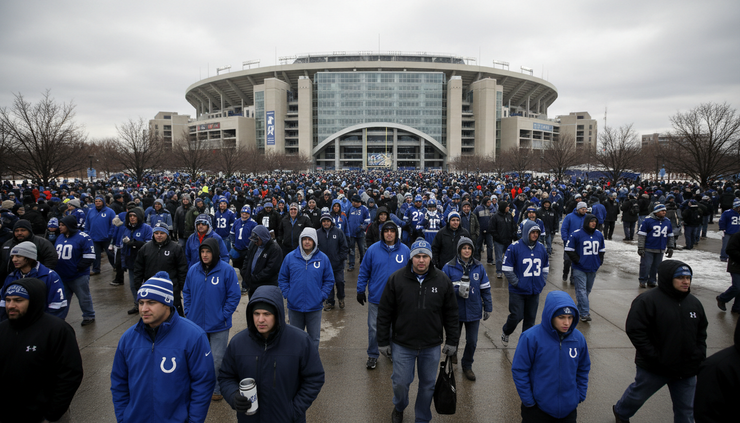
Where the 2026 Colts season stands so far
A clean season review starts with the basics. Did the Colts protect the ball? Did they win the line of scrimmage? Did they turn close games into wins? Did they get enough from their quarterback? Those answers will define whether 2026 becomes a step forward, a missed chance, or a reset year.
The Colts’ recent identity has centered on physical football. When Indianapolis is at its best, the offense can threaten defenses in two ways. The run game forces safeties to creep toward the box, then the passing game finds space behind them. That balance matters even more in tight AFC games, where one successful drive in the fourth quarter can change the whole season.
On defense, the Colts need disruption. A strong pass rush can cover for a young secondary, create turnovers, and keep games from becoming shootouts. When the front four gets home without extra blitz help, Indianapolis can play faster and cleaner behind it.
Here are the main performance areas to track through the 2026 campaign:
Performance area | Why it matters | What would count as progress |
Quarterback efficiency | The Colts need steady decisions, not only highlight plays | Fewer giveaways, better rhythm on early downs, stronger red-zone execution |
Run game consistency | The offense is harder to defend when the ground game stays dangerous | More manageable third downs and longer drives |
Pass protection | Explosive plays take time to develop | Cleaner pockets and fewer drive-killing sacks |
Defensive pressure | Pressure changes games without needing turnovers every week | More rushed throws, sacks, and negative plays |
AFC South record | Division games often decide playoff paths | Winning close matchups against familiar opponents |
Late-game execution | Good teams close | Better clock management, penalties, and fourth-quarter scoring |
The AFC South adds pressure to every Colts season. Indianapolis does not play in a division where reputation carries much weight. Division opponents know the Colts’ personnel, tendencies, and weak spots. Those games often feel tighter and stranger than the rest of the schedule.
The season’s final grade should come down to three questions:
Did the offense build a clear identity?
Did the defense create enough pressure and stops in key moments?
Did the Colts look closer to a playoff team in December than they did in September?
If the answer to all three is yes, 2026 can be called progress even before talking about awards or individual milestones.

Key players who can shape the Colts’ ceiling
Every NFL season has surprise contributors, but the Colts’ 2026 ceiling depends on the players who touch the ball, protect the ball, or take it away.
The exact week-to-week roster should always be checked through the Colts’ official roster page, since injuries and transactions can change the picture fast. Still, several names and roles have defined Indianapolis’ mid-2020s direction.
Anthony Richardson and the quarterback question
Anthony Richardson remains one of the most fascinating quarterback talents tied to the Colts’ current era. His size, arm strength, and rushing ability give Indianapolis a rare offensive ceiling. The question is not whether he can create big plays. He has the tools to do that.
The bigger question is whether the offense can stay on schedule. That means quick reads, smart throws, fewer unnecessary hits, and steady red-zone choices. A spectacular 35-yard scramble can win a highlight reel. A calm five-yard completion on third-and-4 can win a season.
If Richardson plays with control and stays healthy, the Colts can stress defenses in ways most teams cannot.
Jonathan Taylor and the heartbeat of the offense
Jonathan Taylor gives the Colts a proven foundation when he is healthy and involved. Few backs in football can turn a blocked play into an explosive gain the way Taylor can. His presence also changes how defenses align before the snap.
A strong Taylor season helps everyone else. It slows pass rushers, opens play-action throws, and gives the Colts a way to protect a lead. If Indianapolis wants to play meaningful late-season football, Taylor’s workload and efficiency will matter.
Michael Pittman Jr. and the passing game’s trust factor
Michael Pittman Jr. has been a reliable target because he can win through contact, work the middle of the field, and give his quarterback a clear option when the play tightens. He may not always produce the flashiest highlights, but his value shows up in tough catches and chain-moving routes.
Josh Downs has also represented the type of quick, crafty receiver who can help the offense stay balanced. When the Colts get production from multiple wideouts, defenses cannot sit on one route or one matchup.
Quenton Nelson and the offensive line standard
The Colts’ best modern teams have usually had strong offensive line play. Quenton Nelson has long been the symbol of that standard. His power, tone, and experience matter beyond one-on-one blocks.
For Indianapolis, the line is more than a protection unit. It is the engine behind the run game and the safety net for any quarterback trying to grow. If the line plays well, the Colts can dictate pace instead of reacting to pressure.
DeForest Buckner, Kenny Moore II, and the defensive edge
DeForest Buckner has been one of the most important Colts defenders of the modern era. Interior pressure is hard to find, and Buckner’s ability to affect the pocket from inside can change an entire pass-rush plan.
Kenny Moore II has brought toughness and versatility to the secondary. Slot corner is one of the hardest jobs in today’s NFL. It requires quickness, tackling, recognition, and confidence. Moore’s role often shows how much trust the defense has in its coverage structure.
Laiatu Latu, drafted in 2024, gave the Colts another pass-rush piece to watch for the future. A young edge defender who can win with technique, bend, and timing can lift the whole defense.
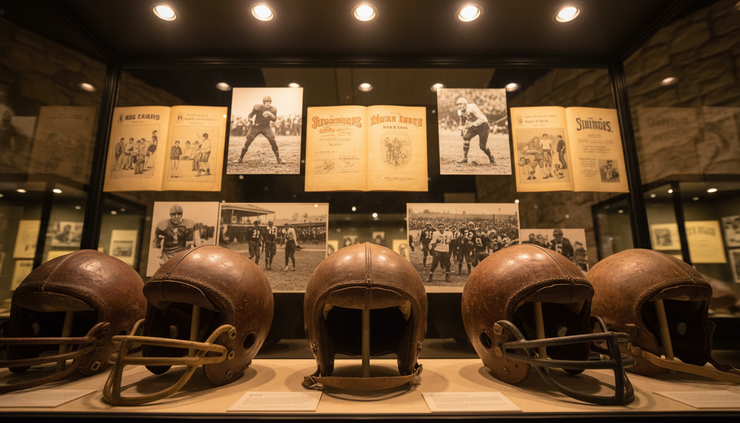
Standout moments that will define the 2026 Colts season
A season does not become memorable only because of the final record. Fans remember the plays that made them jump off the couch, the road wins nobody expected, the rookie who suddenly looked ready, and the late stand that changed the mood of the year.
For the 2026 Colts, the standout moments to watch fall into a few clear groups.
The first complete offensive performance
Every team wants an early game where the plan finally looks whole. For the Colts, that means the run game works, the quarterback plays fast, the receivers separate, and the offensive line controls the tempo.
That type of game matters because it gives the team a blueprint. Coaches can point to it and say, “This is who we are when we do the small things right.”
The division game that swings the standings
Colts seasons often hinge on AFC South matchups. A win over a division rival can do more than improve the record. It can change tiebreakers, confidence, and fan belief.
The key moments in those games are rarely subtle. A goal-line stop. A third-and-long conversion. A forced fumble near midfield. A field goal drive in the final two minutes. Those are the plays that shape how a season feels months later.
The young player who arrives ahead of schedule
Every playoff-caliber team needs someone to outplay expectations. It might be a rookie edge rusher, a young corner, a depth receiver, or a backup lineman pressed into action.
When a young player becomes dependable, it changes roster math. Suddenly a weakness becomes a strength, or at least a position the team does not have to hide.
The late-season response
December reveals more than September. By then, opponents have film, injuries have built up, and every weakness has been tested. A strong late-season Colts stretch would show maturity.
That response could look like fewer penalties, better red-zone play, improved tackling, or a quarterback who sees the field more clearly than he did in Week 1. Those are not always the loudest highlights, but they are often the signs of a team growing up.
For fans who want detailed game logs and franchise records, Pro Football Reference’s Colts page is one of the most useful historical archives online.
The history and traditions behind the Horseshoe
The Colts’ identity stretches across cities, eras, and generations. Before the franchise became an Indianapolis institution, it built part of its legend in Baltimore. That history still matters. It includes some of pro football’s most important games and names.
The 1958 NFL Championship Game, often called “The Greatest Game Ever Played,” helped push professional football into a new national spotlight. The Baltimore Colts beat the New York Giants in overtime, and the game became a turning point in how Americans watched the NFL.
The franchise later won Super Bowl V after the 1970 season. Years later, the move to Indianapolis in 1984 opened a new chapter. The Colts built roots in Indiana, grew a new fan base, and eventually became one of the league’s defining franchises of the 2000s.
The Peyton Manning era changed everything for modern Colts fans. Manning’s partnership with head coach Tony Dungy produced precision offense, yearly expectations, and the franchise’s Indianapolis breakthrough: a Super Bowl XLI win over the Chicago Bears after the 2006 season. That team gave the city a championship moment that still shapes how fans talk about the franchise.
Other milestones add depth to the story:
The rise of Marvin Harrison and Reggie Wayne as elite Colts receivers
Edgerrin James carrying the offense with vision and power
Dwight Freeney and Robert Mathis turning pass rush into art
Lucas Oil Stadium opening as the team’s downtown home
Andrew Luck leading the next era after Manning
The constant bond between the team and Indiana communities
For more history, the official Colts history section is the best team-run resource. The Pro Football Hall of Fame’s Colts page also gives helpful context on major figures and franchise legacy.
Colts fan culture has its own rhythm. Game day in Indianapolis blends downtown tailgates, indoor stadium noise, family traditions, and a fan base that knows both glory and heartbreak. The Horseshoe is more than a logo. It is a shorthand for loyalty, resilience, and the hope that the next great run is never too far away.
Fan communities keep that energy going all year. Stampede Blue offers fan-focused coverage and opinion, while r/Colts gives supporters a place to react in real time, celebrate wins, and debate every roster decision imaginable.

What the 2026 season means for the Colts
The 2026 Colts season is really about direction. A strong year would show that Indianapolis has found a dependable formula: physical offense, better quarterback consistency, pressure on defense, and sharper play in division games.
A frustrating year would raise harder questions. Is the offense built the right way? Does the defense have enough difference-makers? Can the team stay healthy enough to compete with the AFC’s best? Those questions are part of being a Colts fan in this era.
The encouraging part is that the franchise has been here before. Colts history is full of turning points: the national rise of the 1958 title game, the 1984 move to Indianapolis, the Manning and Dungy breakthrough, the Luck-era reset, and every attempt since to build the next contender.
That history does not guarantee anything in 2026. It does give the season weight. Every snap connects to a larger story, one built by Hall of Famers, hard losses, packed home games, and fans who still believe the Horseshoe can point back toward January.
The final review of 2026 will come when the last whistle blows. Until then, the season’s meaning will be written in the moments that matter most: the fourth-quarter drive, the division win, the young player’s breakout, and the game when the Colts look like the team they have been trying to become.


Comments