Detroit Pistons 2026-27 Season Preview Roster, Legends, History and Fan Resources

The Detroit Pistons never feel like just another rebuilding team. Their best eras have always had a type: tough guards, physical defense, selfless stars, and a fan base that respects effort as much as scoring.
That is why the 2026-27 season carries real intrigue. Detroit’s path back to the top of the Eastern Conference depends on how its young core grows, who sticks around, and whether the front office can build a balanced roster around Cade Cunningham. For new fans, this is a good time to learn the roster and the history. For long-time supporters, it is another chapter in a franchise that has already reinvented itself more than once.
Because NBA rosters change quickly, this preview focuses on the Pistons’ expected foundation, key players to track, historical identity, and the best outside resources for following the team all season.
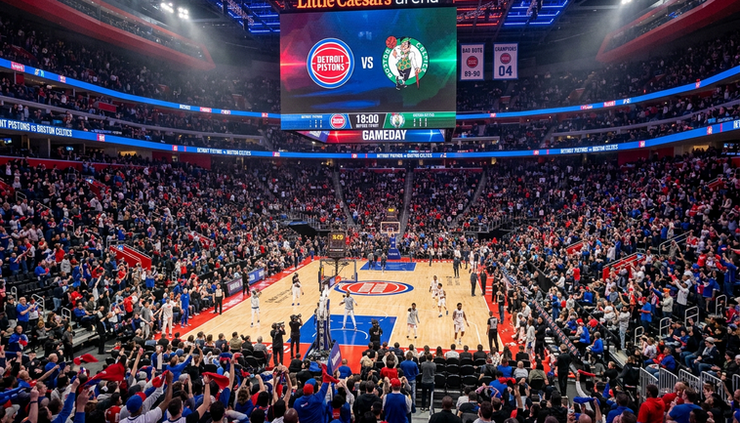
The 2026-27 roster outlook starts with the young core
The Pistons’ present and near future still revolve around player development. Detroit has spent recent seasons collecting young talent with high-end athletic tools, ball-handling upside, and defensive potential. The question for 2026-27 is no longer only who has talent. It is who fits together.
The most important name is Cade Cunningham. When healthy, Cunningham gives Detroit a true offensive organizer. He can bring the ball up, run pick-and-roll, score in the midrange, and pass over smaller defenders. For the Pistons to rise, he needs the right mix around him: shooting, vertical spacing, reliable defense, and secondary creation.
Jaden Ivey remains one of the roster’s highest-upside players because of his speed. He can bend a defense in ways few Pistons guards have been able to do in recent years. His next step is consistency. If Ivey improves as a shooter, defender, and decision-maker, Detroit’s backcourt ceiling changes in a major way.
Ausar Thompson brings a different kind of excitement. His athleticism, rebounding, passing flashes, and defensive range make him one of the most interesting two-way pieces in the organization. If his half-court offense and shooting continue to grow, he can become the kind of player who impacts winning without needing the ball on every trip.
Jalen Duren gives Detroit a powerful interior presence. He rebounds, finishes above the rim, and can punish teams that do not account for him as a roller. His defensive growth will be one of the biggest swing factors. Modern NBA centers need to protect the paint, communicate, and survive in space. Duren has the tools to do all three.
Isaiah Stewart represents the edge Detroit fans tend to appreciate. He plays physically, competes on the glass, and has worked to stretch his offensive game beyond the paint. On a good Pistons team, Stewart’s role clarity matters. He can be valuable as a tone-setting big, but the team needs spacing and defensive balance around him.
The rest of the 2026-27 roster will depend on trades, draft picks, free agency, and player development. That is why the best current roster source is the team’s official page at Pistons.com, along with the live roster and stats tools at NBA.com/stats and Basketball Reference’s Pistons page.
The big roster questions
Detroit’s 2026-27 season may turn on a few clear questions.
Can Cunningham stay healthy and lead an efficient half-court offense?
Can Ivey become a steady second creator instead of only a transition threat?
Can Thompson’s shooting improve enough to keep defenses honest?
Can Duren anchor a defense while continuing to grow as a finisher?
Can the front office find enough shooting and veteran stability around the core?
A young team does not need every answer at once. It does need a shape. By 2026-27, the Pistons should be aiming for a roster where roles make sense and the best players make each other better.
Key players who can define the season
Every Pistons season has a few players who tell the larger story. In 2026-27, that story likely starts with Cunningham but will not end there.
Cade Cunningham is the franchise barometer
Cunningham’s value goes beyond points and assists. He decides the pace. He reads the floor. He gives Detroit a player who can take late-clock possessions and still create something clean.
The next level for him is efficiency. That includes shot selection, free throws, three-point growth, and fewer possessions where he has to force something because the floor is cramped. If Detroit surrounds him with real spacing, his passing becomes more dangerous.
For fans tracking his progress, the best numbers to watch are not only points per game. Look at usage, true shooting percentage, assist rate, turnover rate, and on-off impact. The NBA player stats database is useful for that, especially as the season develops.
Jaden Ivey can change Detroit’s speed
Ivey gives the Pistons a pressure point. Defenses hate guarding players who can get downhill before they are set. His transition speed can create easy baskets, corner threes, and foul trouble for opponents.
The key is control. Great speed matters most when a player knows when to slow down. If Ivey becomes more patient in pick-and-roll and more locked in defensively, Detroit’s guard rotation becomes much harder to handle.
Ausar Thompson can become the connector
Thompson’s game fits the modern NBA if the skill development catches up. He can defend multiple positions, rebound from the wing, cut without the ball, and move the pass quickly. Those traits help winning teams.
His shooting will draw the most attention, but his value should not be reduced to one skill. If he is guarding elite wings, creating extra possessions, and pushing the ball after rebounds, he can be one of Detroit’s most important players even on modest scoring nights.
Jalen Duren gives the Pistons a physical center
Duren’s best version is simple and powerful: rebound hard, screen with force, finish everything near the rim, and protect the paint. Detroit does not need him to become a high-volume scorer to matter. It needs him to become reliable.
Centers often take time to master defensive reads. If Duren grows in that area, he can help Detroit move from talented to competitive.
The Pistons’ traditions are built on toughness
The Pistons’ identity has never been soft or flashy for its own sake. Detroit basketball is tied to defense, contact, rebounding, and emotional buy-in. Even when the roster changes, the tradition remains clear.
The most famous Pistons brand is the Bad Boys era. Led by Isiah Thomas, Joe Dumars, Bill Laimbeer, Dennis Rodman, Rick Mahorn, Vinnie Johnson, and head coach Chuck Daly, Detroit became the NBA’s most feared team by the late 1980s. The Pistons did not ask opponents to like them. They made opponents deal with them.
The second defining identity came from the Going to Work Pistons of the early 2000s. Chauncey Billups, Richard Hamilton, Tayshaun Prince, Ben Wallace, and Rasheed Wallace played connected, defensive basketball. They were not built like a typical superstar-driven champion. That made their 2004 title even more meaningful.
The team’s traditions also live in smaller details:
The chant of “Deee-troit Basketball”
Red, white, and blue as the classic color identity
A history of elite guards and defensive bigs
A fan base that values work rate and accountability
The memory of The Palace of Auburn Hills, one of the league’s loudest playoff buildings in its prime
For a fuller franchise timeline, the official Pistons history section is a good starting point.
The historical significance of the Pistons in the NBA
The Pistons matter because they changed how the NBA talked about winning.
The Bad Boys challenged the league’s glamour teams. They stood between the Larry Bird Celtics, Magic Johnson Lakers, and Michael Jordan Bulls. Their physical style helped define a whole era of playoff basketball. Detroit won back-to-back NBA championships in 1989 and 1990, proving that depth, defense, and mental toughness could beat star power.
The 2004 Pistons made a different statement. They beat a heavily favored Los Angeles Lakers team in the NBA Finals and did it with balance. Billups won Finals MVP, Ben Wallace controlled games without scoring much, and Detroit’s defense disrupted one of the league’s most famous lineups.
The Pistons are one of the rare NBA franchises with multiple championship identities, each built around defense, toughness, and team-first play.
That matters for 2026-27. The best future version of the Pistons probably will not copy the Bad Boys or the 2004 team. The NBA has changed too much. But the values still apply. Detroit needs defensive pride, shared responsibility, and players who fit together.
Memorable moments every Pistons fan should know
The Pistons have a deep list of moments that explain the franchise better than any slogan could.
The Bad Boys win back-to-back titles
Detroit won the 1989 and 1990 championships with one of the most recognizable groups in NBA history. Isiah Thomas ran the offense with skill and fire. Joe Dumars brought elite two-way guard play. Dennis Rodman became a rebounding and defensive force. Laimbeer, Mahorn, and others gave the team its hard edge.
The titles made Detroit more than a tough opponent. They made the Pistons a dynasty-level team for that period.
Isiah Thomas plays through pain in the 1988 Finals
One of the most famous performances in Pistons history came in Game 6 of the 1988 NBA Finals, when Isiah Thomas scored 25 points in the third quarter despite an ankle injury. Detroit did not win the series, but the moment became part of the franchise’s competitive mythology.
The 2004 Pistons shock the Lakers
The 2004 Finals remain the modern peak of Pistons basketball. Detroit defeated Los Angeles with defense, ball movement, and total commitment. The series still stands as one of the great examples of a complete team beating a more star-heavy opponent.
Fans can revisit the numbers through Basketball Reference’s 2004 Finals page.
Ben Wallace becomes a Detroit icon
Ben Wallace went undrafted, then became one of the greatest defensive players ever. His rise captured what Detroit fans love. He blocked shots, rebounded, switched, defended the rim, and played with visible force. His Hall of Fame career remains one of the best player development stories in NBA history.
The Naismith Basketball Hall of Fame is a strong resource for learning more about the game’s legends, including Pistons figures who shaped NBA history.
What would make 2026-27 a successful Pistons season
Success for the 2026-27 Pistons should be measured in layers. Wins matter, but the real goal is proof of direction.
A strong season would include:
Cunningham playing like a clear franchise lead guard
Ivey or another young player becoming a dependable second option
Thompson growing into a two-way starter or high-impact rotation player
Duren improving as a defensive organizer
Better three-point spacing across the roster
More competitive fourth quarters
A clear defensive identity
The Pistons do not need to abandon their history to modernize. They need to translate it. The 2026 NBA game rewards shooting, pace, and versatility. Detroit’s tradition rewards toughness, defense, and collective trust. The best path blends both.
That also puts pressure on roster construction. If too many players need the ball, the offense stalls. If too many players struggle from three, Cunningham sees crowded lanes. If the defense lacks communication, athleticism becomes less useful. The front office’s job is to turn promising parts into a working team.
The best resources for following the Pistons all season
A good fan routine makes the season more fun. These links help with news, stats, history, tickets, and community.
Resource | Best use |
Roster updates, schedule, tickets, videos, and team news | |
Team and player stats during the season | |
Historical records, rosters, playoff results, and advanced stats | |
League-wide schedule and game dates | |
Franchise milestones and historical background | |
Context on NBA legends and Hall of Fame careers | |
Team outreach, youth programs, and community events |
For deeper fan engagement, pair the official sources with box scores after each game. Watch how lineups perform, which young players close games, and how the rotation changes after injuries or trades. Over time, those details reveal the story of the season better than one highlight clip.
The takeaway for Pistons fans in 2026-27
The 2026-27 Pistons season is about more than waiting for a young roster to grow up. It is about whether Detroit can build a team that makes sense around its best players and reconnects with the franchise’s strongest traditions.
Cade Cunningham gives the Pistons a serious starting point. Jaden Ivey, Ausar Thompson, Jalen Duren, and the rest of the core give the team upside. The history gives the standard. Detroit basketball has always been at its best when talent, toughness, and trust meet in the same locker room.
If the Pistons find that mix, 2026-27 could become the season when the rebuild starts to feel like something sturdier: a team with an identity, a future, and a fan base ready to believe again.


Comments