Leslie Odom Jr Musical Journey, Rise to Fame, Style, and Live Show Highlights

Leslie Odom Jr. did not become a household name overnight. Before millions heard him stretch the word “wait” into a full emotional argument in Hamilton, he had already spent years building a rare kind of career: Broadway-trained, jazz-rooted, screen-ready, and deeply musical.
His rise is part theater story, part recording artist story, and part old-school entertainer story. Odom can command a Broadway stage, lead a soul-leaning ballad, sing a jazz standard with restraint, then shift into a pop arrangement without losing the thread. That mix is what makes his catalog, and his concerts, so rewarding.

The early years built the foundation for everything that followed
Odom was born in Queens and raised in the Philadelphia area, a background that helped shape both his discipline and his musical ear. Philadelphia has a rich soul, jazz, and theater tradition, and that blend shows up later in his work. He sounds comfortable in a polished theater setting, but he also knows how to make a song feel lived in.
His professional path began early. As a teenager, he joined the Broadway production of Rent, a major milestone for any young performer. That experience matters because Rent demands more than a pretty voice. It asks performers to bring urgency, rhythm, vulnerability, and ensemble awareness every night.
Those skills became part of Odom’s identity.
Before Hamilton, he also built a screen career with roles in television, including Smash, the NBC series about the making of a Broadway musical. That project placed him inside a show-business story while he was living one of his own. It also helped introduce him to viewers who may not have known his theater work yet.
This period is easy to overlook because Hamilton was so large. But the pre-Hamilton years explain why Odom was ready when the moment arrived. He had the stage craft. He had the camera experience. He had the vocal control. He had the patience.
That last part became poetic, given the role that changed his life.
Hamilton turned a skilled performer into a star
Odom’s breakout came as Aaron Burr in Lin-Manuel Miranda’s Hamilton. The role gave him one of the richest character arcs in modern musical theater: charming narrator, political rival, cautious strategist, wounded outsider, and tragic figure.
Aaron Burr could have become a simple villain. Odom made him human.
His performance had precision, coolness, and restraint. Then, when the role called for release, he let the emotion break through. That contrast powered songs like:
“Wait for It”
“The Room Where It Happens”
“Dear Theodosia”
“Your Obedient Servant”
“Wait for It” became the defining showcase. The song sits at the center of Burr’s worldview, and Odom delivered it like someone defending his entire life philosophy in three minutes. It was intense but measured, vocal but not showy, controlled until control itself became the point.
The industry noticed. Odom won the 2016 Tony Award for Best Leading Actor in a Musical for Hamilton. He also shared in the Grammy Award for Best Musical Theater Album as part of the original Broadway cast recording.
Those honors confirmed what audiences already knew. Odom had given the show one of its essential performances.
The Hamilton cast album also expanded his reach far beyond Broadway. People who had never seen the show learned every pause and inflection on the recording. For many listeners, Odom’s voice became the sound of ambition held tightly in check.
That is a powerful calling card.

His solo music shows a different kind of control
The Leslie Odom Jr Musical Journey Rise to Fame Style and Live Show Highlights story does not stop with Hamilton. His recording career shows a performer working carefully to define himself outside the role that made him famous.
His self-titled album, Leslie Odom Jr., introduced many listeners to his love of jazz standards and classic vocal phrasing. Rather than chase trends, he leaned into elegance. Songs like “Autumn Leaves” and “Look for the Silver Lining” showed his taste for melody, space, and emotional clarity.
Then came holiday music, which became an important part of his catalog. Simply Christmas gave him room to sing warmly without overloading the arrangements. Odom’s holiday recordings work because he treats familiar material with care. He does not try to reinvent every song. He trusts tone, timing, and sincerity.
His 2019 album Mr moved closer to contemporary R&B and pop. Tracks such as “Under Pressure,” “Go Crazy,” and “Cold” gave him a wider sonic frame, with smoother production and a more modern pulse. The album helped answer a key question after Hamilton: what does Leslie Odom Jr. sound like when he is not singing as Aaron Burr?
The answer was not one thing. It was a blend.
He can be a crooner. He can be a soul singer. He can be a Broadway storyteller. He can be a pop vocalist. His best work often sits between those categories.
Another major landmark came through the film One Night in Miami, where Odom portrayed Sam Cooke. He also co-wrote and performed “Speak Now,” an original song from the film. The track earned major awards attention, including an Academy Award nomination for Best Original Song. It became one of his most visible original songs and connected his music career to his screen work in a meaningful way.
His more recent releases, including When a Crooner Dies, continue that search for a personal lane. The title alone points to one of his core artistic questions: what does classic male vocal music sound like now, in a world that has changed around it?
Odom seems drawn to history, but he is not trapped by it. He borrows from the past to ask present-tense questions.
His style blends theater, jazz, soul, and clean storytelling
Odom’s musical identity works because he understands the difference between singing well and telling a story well. He can do both, but he rarely lets technique overtake meaning.
His style has several clear ingredients.
He uses Broadway discipline without sounding boxed in
Broadway trained him to make every lyric count. That is why his phrasing often feels so intentional. He knows which word carries the emotional weight, and he tends to aim the performance there.
This is especially clear in Hamilton, but it also shows up in his solo work. Even when he sings a standard, he treats the lyric like dialogue. The song has a speaker. The speaker wants something. The vocal choices serve that want.
He draws from jazz without turning every song into a vocal workout
Odom’s jazz influence comes through in his timing, tone, and respect for space. He does not fill every measure with runs. He often lets a note sit, then moves just enough to change the color.
That restraint is part of his appeal. He can sing with polish, but the polish does not feel cold. It creates intimacy.
He understands the emotional power of soul music
His portrayal of Sam Cooke makes sense because Odom shares a key trait with singers from the soul tradition: he knows how to make smoothness feel urgent. The surface may be controlled, but the feeling underneath is active.
That tension gives his voice character. He can sound graceful and restless at the same time.
He chooses material that fits the voice he has now
Some performers try to prove range through sheer variety. Odom’s choices feel more curated. He often returns to songs that reward warmth, patience, and a strong lyric. That includes Broadway material, standards, holiday songs, and original ballads.
The result is a catalog that feels connected even when the genres shift.

His biggest songs and signature performances tell the full story
Calling any Odom song a “hit” depends on the context. He is not a singles-driven pop star in the usual sense. His biggest moments come from cast recordings, film songs, holiday albums, and fan favorites that travel well in concert.
Still, several tracks are central to his rise.
Song | Why it matters |
“Wait for It” | The Hamilton performance that turned Burr into a full emotional portrait. |
“The Room Where It Happens” | A thrilling character number and one of the show’s most memorable songs. |
“Dear Theodosia” | A softer showcase that highlights tenderness and blend. |
“Autumn Leaves” | A strong example of his jazz and standards lane. |
“Speak Now” | His major original film song from One Night in Miami. |
“Go Crazy” | A polished example of his contemporary solo sound. |
“Under Pressure” | A modern track that shows the R&B-pop side of Mr. |
“Loved” | A fan-friendly ballad that fits his warm, direct vocal style. |
These songs also show the unusual shape of his career. A traditional pop profile might move from debut single to radio hit to arena tour. Odom’s path moved through theater, cast albums, film, jazz records, awards shows, and intimate concert stages.
That path may be less predictable, but it gives him range. It also gives fans different entry points. Some arrive through Hamilton. Some come through holiday music. Some discover him as Sam Cooke. Others find the jazz records first.
What to expect from a Leslie Odom Jr. live show
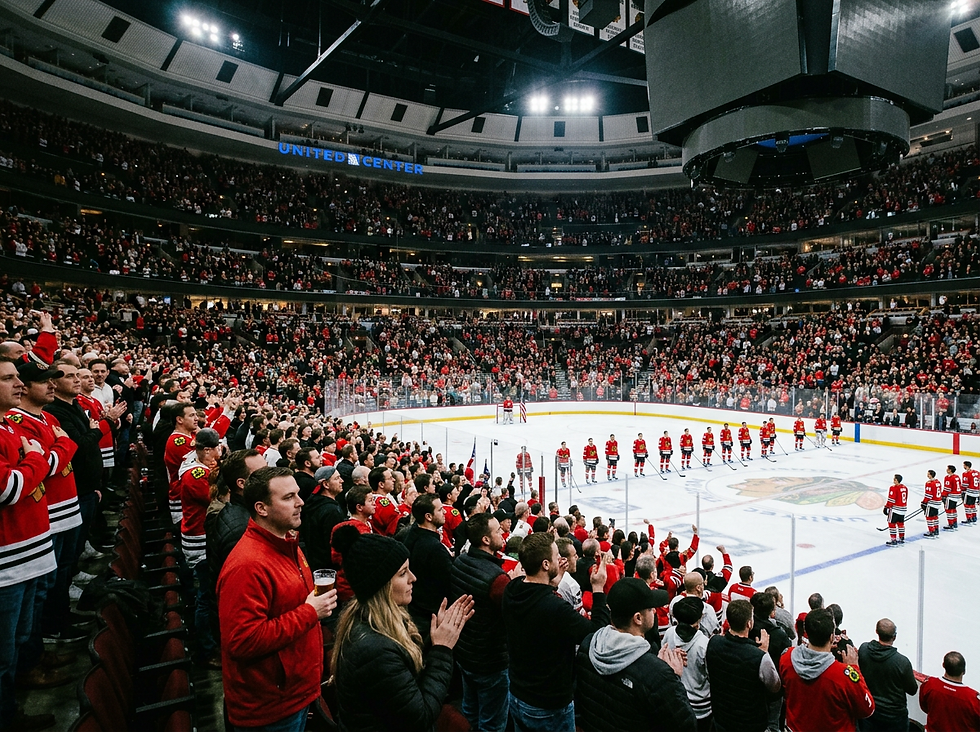
A Leslie Odom Jr. concert usually feels polished but personal. The atmosphere often falls somewhere between a theater performance and a jazz-club set, even in larger venues. He tends to bring the audience close through stories, dynamics, and careful pacing rather than spectacle.
The band matters. His arrangements often leave room for piano, bass, drums, and warm textures. That setup lets him move between genres without making the show feel scattered.
Fans can usually expect a mix of:
Songs from Hamilton
Original solo material
Jazz standards or classic vocal songs
Selections from Mr or later albums
Holiday songs during seasonal tours
Covers that suit his voice and storytelling style
Setlists change by tour, venue, and season. A summer concert may lean broader, while a December show may include more Christmas material. Still, Hamilton songs are often the emotional high points, especially “Wait for It.” He knows that many people in the room have a deep connection to that music, and he tends to honor it without letting the entire night become a nostalgia act.
His performance style is measured in the best way. He does not need to oversing to prove he can sing. He builds moments. A phrase may start conversationally, then widen into something more theatrical. A familiar song may get a new arrangement, but the lyric remains clear.
That clarity is the through line. Whether he is singing Burr, Sam Cooke-inspired soul, or a holiday standard, Odom’s live strength is his ability to make the room listen.
The best Leslie Odom Jr. performances do not just showcase a voice. They reveal a performer thinking through every lyric in real time.
For fans seeing him live for the first time, the biggest surprise may be how naturally the pieces fit. Broadway songs, jazz standards, and contemporary originals could feel like separate chapters. In concert, they often sound like parts of one artistic conversation.
Further listening, interviews, and concert reading
For more context, these links offer helpful starting points. Some are search or archive pages, which makes them useful for finding the newest releases, interviews, and tour coverage.
Music
Listen to Leslie Odom Jr. on Apple Music
Find his catalog on Spotify
Watch official and live performance videos on YouTube
Interviews and performances
Concert reviews and setlists
Check recent setlists on setlist.fm
Search concert coverage on BroadwayWorld
Look for live reviews and tour write-ups through Pollstar

The lasting appeal of Leslie Odom Jr.’s musical journey
Leslie Odom Jr.’s career stands out because it refuses to sit in one lane. He rose through Broadway, broke through with one of the most important musicals of the century, then used that visibility to build a recording career rooted in jazz, soul, and classic song craft.
His journey also shows the value of patience. The role of Aaron Burr made him famous, but it did not create his talent. It revealed years of preparation to a much larger audience.
That is why his music still holds attention after the first wave of Hamilton fame. Odom has the rare ability to sound timeless without sounding frozen in the past. He treats songs as stories, concerts as conversations, and style as something deeper than genre.
For longtime fans, the reward is watching the next chapter take shape. For new listeners, the best place to start is simple: play “Wait for It,” then “Speak Now,” then one of his jazz standards. The range is the point.


Comments