Match Seat to Show at Radio City: Mezzanine A through F for Visuals

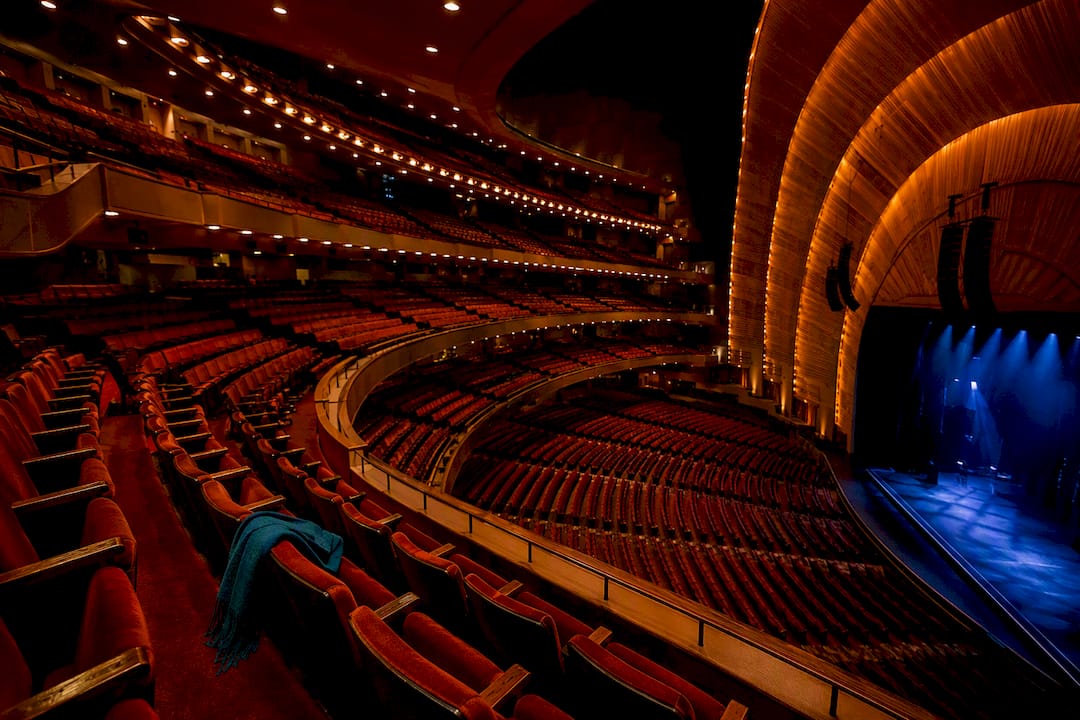
The best Radio City seating strategy is simple: match your seat to the show, not just the price. Visual productions reward elevation and center framing, so aim for First Mezzanine center, rows A through F. Concerts and solo artists reward proximity, so target Orchestra center, sections 3 through 5, rows MM through ZZ. Watch for soundboard obstructions in Orchestra 4 and check accessible seating options before you buy.
TL;DR:
Center Mezzanine seats in rows A through F offer the best view for visual shows, while Orchestra center rows MM through ZZ are ideal for proximity during concerts.
The soundboard often obstructs sightlines in Orchestra rows N through Z, with its position varying by event, especially during the Christmas Spectacular.
Photos from multiple angles can clarify actual views; avoid seats with limited or obstructed labels, and verify with the venue’s interactive map.
Accessible seating is usually on the top levels, and early filtering or direct venue contact improves chances of getting suitable accommodations.
Ticket prices fluctuate, with early sales offering wider choices and last-minute listings sometimes providing discounts, but matching seat type to show type remains crucial.
Table of Contents
Understanding the Radio City Seating Chart
Radio City Music Hall stacks four seating levels: the Pit, Orchestra, First Mezzanine, Second Mezzanine, and Third Mezzanine. The Pit sits closest to the stage and often gets added or removed depending on the event configuration. Orchestra covers the main floor, and the mezzanines rise above it in tiers, each offering a wider, more elevated view of the Great Stage.
Sections run 1 through 7 across every level, numbered from stage right to stage left. That means sections 3, 4, and 5 sit dead center, which is why you’ll see them recommended again and again for both visual and proximity-focused seating.
Row naming follows its own logic worth knowing before you buy:
Front rows in Orchestra use double letters (AA, BB, CC), while rear rows switch to single letters.
Mezzanine overhangs typically begin partway back on each level, which can clip your view of the upper stage or any aerial elements.
Total capacity runs around 5,960 seats, expanding to roughly 6,013 depending on how the venue configures the Pit and stage extensions for a given show.
Best Seats by Event Type at Radio City Music Hall
Seat selection changes dramatically depending on what you’re watching. Here’s how to think through it by show category.
Dance and visual productions (Christmas Spectacular, large-cast shows): Center First Mezzanine, rows A through F, or Second Mezzanine center, deliver the full-stage overview these shows are built for. Formation choreography reads as one cohesive picture from up there, something ground-level seats simply can’t replicate. Second Mezzanine gets overlooked by first-timers chasing proximity, but it’s often the smarter buy for a Rockettes performance.
Solo-artist concerts: Orchestra center, sections 3 through 5, rows MM through ZZ, puts you close enough to see the performer clearly while staying centered on the stage. The Pit works if it’s active for that event and you want to be as close as physically possible, though it sacrifices the overhead angle that helps with lighting and staging.
Comedy and spoken-word shows: Prioritize proximity over elevation. Closer Orchestra center seats let you catch facial expressions and timing cues that get lost from the mezzanines, and clean audio matters more here than a wide sightline.
The tradeoff boils down to three variables: view width, physical closeness, and price. Mezzanine center wins on view, Orchestra center wins on proximity, and neither wins on cost. Center Orchestra tends to command the highest prices in the house.
How to Read Radio City Seat Views and Photos
Photos tell you more than any seat map ever will, but not all photos are equally useful. A single fan-submitted photo can be misleading if it was shot at an odd angle or from an unusual seat within the section. Look for multiple images from the same general area before trusting the view.
Here’s what to expect from each zone:
Orchestra center shows performers at near life-size scale, with the stage filling most of your field of view.
First Mezzanine center gives a slightly elevated, still-intimate view where you can see the full stage width without craning your neck.
Second Mezzanine center frames the entire Great Stage as a single composition, ideal for choreography-heavy shows.
Third Mezzanine sits highest and shows ceiling projections and overhead lighting effects better than any other level, though performers appear noticeably smaller.
Pro Tip: Cross-reference the venue’s interactive seating chart with photo galleries like A View From My Seat. Interactive maps show a schematic approximation, but real photos confirm what you’ll actually see from that exact row.
Common Obstructions and Seats to Avoid at Radio City
The soundboard is the obstruction that trips up the most buyers. For a typical concert, it sits in Orchestra Center, commonly around rows N through Z, and it can partially or fully block your sightline depending on exact placement. That placement isn’t fixed, though. For the Christmas Spectacular, the board often shifts to a mezzanine level instead of sitting in Orchestra, so the rows to avoid change by production.
Watch for these signals on a ticket listing:
Any note reading “limited view,” “obstructed,” or “partial view” in the seat description.
A section-and-row combination that falls inside the known soundboard footprint for that specific event.
A price that looks unusually low for its section, which often signals a sightline issue the listing hasn’t spelled out clearly.
Pro Tip: If a listing looks suspicious, shift one section over rather than gambling on the discounted seat. Adjacent center sections almost always clear the soundboard.
Accessible Seating at Radio City Music Hall
Accessible and wheelchair seating is generally located at the top of sections on multiple levels, with designated spots built into the layout rather than added as an afterthought. Most major ticketing platforms let you filter listings by accessible seating, which is the fastest way to see what’s currently available.
A few practical steps:
Use the ADA filter on your ticketing platform, or call the venue box office directly if you don’t see enough options online.
Reach out with as much advance notice as possible. Accommodation requests handled early tend to get better placement.
Confirm companion seating is attached to the accessible spot, and ask about sightlines from that exact location before finalizing your purchase.
Choosing Your Radio City Seats: A Quick Checklist
Run through this sequence before you commit to any listing:
Identify the show type first. Visual production or proximity-driven performance changes everything downstream.
Pick your zone. Center mezzanine for elevation and full-stage framing, center Orchestra for closeness.
Check the row number against known obstructions. Cross-reference against the event-specific seating chart, since soundboard placement isn’t universal.
Verify with photos. Pull up multiple images of the section before paying a premium for it.
Compare price against tradeoffs. A slightly off-center Orchestra seat is often a smarter buy than an obstructed center seat at the same price point.
Pro Tip: Check more than one marketplace before buying. Prices for the same section can vary meaningfully between platforms, and last-minute releases sometimes beat early onsale pricing for the exact same row.
Timing and Savings Tips From The Ticket Blog
Ticket prices at Radio City move in patterns worth knowing before you buy. Early onsale windows tend to have the widest seat selection but not always the best price, while last-minute listings can drop sharply in the final days before a show, particularly for less in-demand dates.
A few habits worth building into your search:
Set alerts for specific sections rather than the show in general, so you catch price drops in the exact zone you want.
Use photo-verified galleries and the official venue map together rather than relying on either alone.
Check for ADA filters early if accessible seating matters, since those seats can sell out faster than general sections.
Pro Tip: Box office releases sometimes add inventory in previously sold-out center sections closer to the event date. Check back periodically instead of assuming the best seats are gone for good.
The Ticket Blog’s Take on Finding the Right Seat
The most common seat-buying mistake isn’t overpaying. It’s optimizing for the wrong thing, chasing proximity for a show built for wide-angle viewing, or paying mezzanine prices for a concert where closeness matters more than the view. Match the seat to the show first, then worry about the deal. For more specifics, check our guide to the Christmas Spectacular.
— The Ticket Blog
Find Deals and Alerts for Your Radio City Show
Once you know which section and row you’re targeting, the harder part is catching that seat at a fair price. Pricing patterns across marketplaces can help you avoid guessing whether a listing is a fair deal or an inflated one.
Guides break down seating by venue and show, including event-specific coverage in Theatre News and detailed breakdowns like the Madison Square Garden seating guide for readers comparing venues across the city. Visit The Ticket Blog to check current promo codes and set up alerts before your next Radio City show goes on sale.
Sources
Recommended


Comments