24–72 Hours to Upgrade Seats: Seat Upgrade Strategies That Work

The fastest way to upgrade your seats is to check your ticketing account’s official exchange tool first, since it carries the lowest fees and highest success rate. If that path is closed, set resale alerts and plan a sell-and-rebuy. As a last resort, a polite box office visit day-of can work, but fees and availability vary. Start by pulling up your account and the venue’s exchange policy right now.
TL;DR:
Using the official exchange tool yields the lowest fees and highest success rates, especially when acts close 24 to 72 hours before the event.
Resell and rebook strategies work best when you set price alerts, monitor the final 48 hours, and coordinate listings to avoid gaps.
Box office upgrades are unpredictable, but visiting early and asking politely may reveal unclaimed seats or holds, with prices often ranging from $20 to $200.
Resale marketplaces become necessary when primary exchanges are unavailable, requiring careful timing and checking fan photos to verify sightlines.
Confirm your event’s exchange deadline upfront, buy from primary sellers when possible, and keep your account ready to maximize upgrade options.
Table of Contents
Seat Upgrade Strategies: A Ranked Checklist
Not every tactic deserves equal effort. Some produce results in minutes; others require patience and a little luck. Here’s the order The Ticket Blog recommends, based on how often each one actually pans out.
Check your account’s exchange tool first. Official exchanges, when available, carry the clearest rules and often the lowest fees, since the seller already has your ticket on file and controls the inventory.
Try sell-and-rebuy on a resale marketplace. If your ticket can’t be exchanged directly, list it while watching better seats, then repurchase before your listing sells if the upgrade appears.
Attempt a day-of box office ask. Arrive early, be polite, and understand this is a backup plan, not a guarantee.
Watch for season-ticket seat-improvement windows. If you hold a subscription or membership, tenure-based upgrade windows sometimes open before the general public ever sees released inventory.
Each tactic has a different success rate and a different cost profile, which is why the order matters more than most buyers realize.
How Do Official Seat Exchanges Work?
Official exchange programs are the most reliable seat upgrade strategy because the venue or ticketing platform controls both your original seat and the new inventory. Digital tickets tend to work better here than paper or PDF tickets, since the exchange happens entirely inside your account.
Most primary-seller platforms show exchange or upgrade options inside a Manage Tickets section, and Ticketmaster’s help center confirms that resale purchases are frequently excluded from these programs entirely. That’s a strong reason to buy from the primary seller whenever possible.
Timing matters just as much as eligibility. Common patterns include:
Cutoff windows of 24 to 72 hours before the event, after which exchanges close or fees jump.
Tiered fees depending on ticket type. Hollywood Bowl documents free exchanges for subscribers in certain windows, versus $5 to $15 per ticket for choose-your-own seat exchanges, with steeper fees for emergency same-day swaps.
Assigned improvement windows for season-ticket holders, where access opens based on tenure. The Chicago Bulls’ seat-improvement process assigns start dates by seniority, and improvements are completed online during that scheduled slot, not on demand.
Statistic to remember: many venues cut off exchanges 24 hours before showtime, so checking your account the moment tickets go on sale, rather than the week of the show, is often the difference between an available upgrade and a closed window.
To act on this, log into your ticketing account, find Manage Tickets or Return/Exchange, and confirm your specific event’s deadline before you do anything else.
What Can You Do at the Box Office Day-Of?
In-person box office visits work often enough to be worth trying, mainly because venues sometimes release sponsor holds, production holdbacks, or unclaimed will-call seats close to showtime. This is a backup tactic, not a primary strategy, since results vary by event demand and venue policy.
A few things improve your odds:
Arrive a few hours before doors, when staff have a clearer picture of what’s actually unsold or released.
Ask again between sets or after the show starts, since holds sometimes get released once no-shows become obvious.
Bring a valid payment method and ID ready to go, so you’re not fumbling if a seat does open up.
Be specific and polite rather than vague. Naming a section you’d like helps staff check availability faster.
Pro Tip: Ushers and box office staff often know about unused holds before anyone else does. A brief, friendly conversation can surface options that never show up in an app.
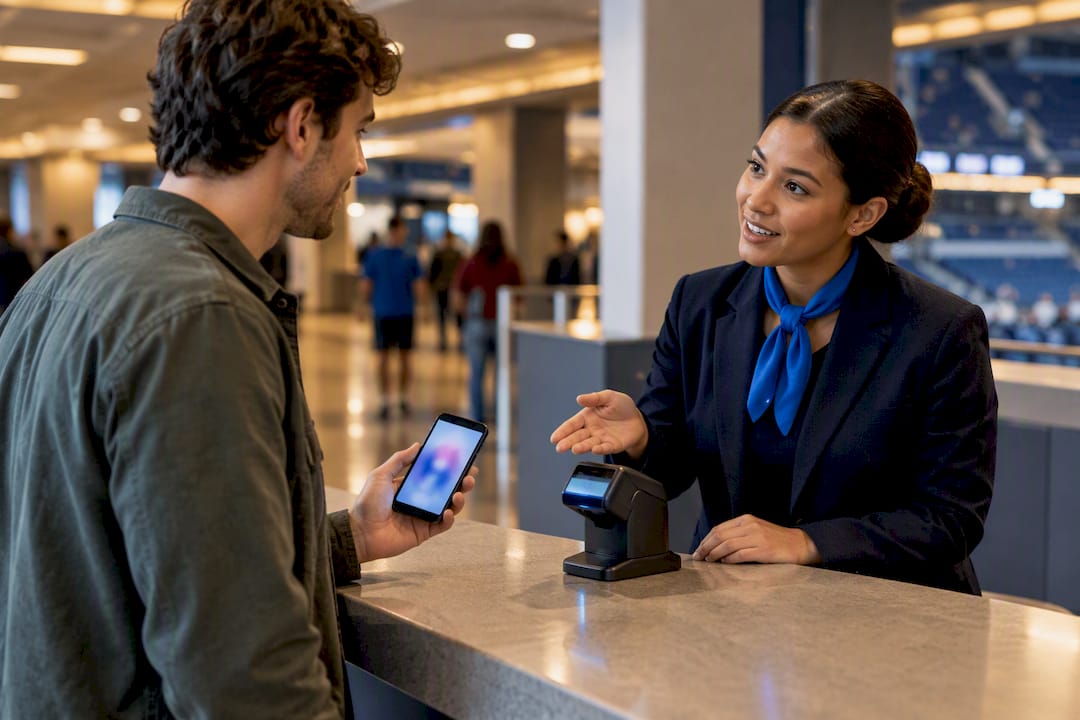
Temper your expectations on cost. Same-day upgrades sometimes run $20 to $200 per ticket depending on the show, with processing fees added on top. There’s no guarantee of success, but it costs nothing to ask.
When Should You Use Resale Marketplaces to Upgrade?
Resale becomes your main tool when a ticket can’t be exchanged through the original seller, which is common for tickets bought secondhand. The workaround is sell-and-rebuy: list your current seat while watching for a better one, then repurchase once you spot the upgrade you want.
A few habits make this workflow far less stressful:
Set price alerts on the sections you want, rather than refreshing manually every hour.
Watch the final 48 hours closely. Supply often thins out predictably as sellers delist and buyers converge, and StubHub’s research notes that short windows of lower pricing sometimes appear during that stretch.
List your seat before you buy the new one to avoid a coverage gap, but time it so you’re not left ticketless if the upgrade falls through.
Check fan-uploaded seat-view photos before committing, since a listing’s section number rarely tells you what the actual sightline looks like.
This tactic works best when you’re comfortable holding two tickets briefly and when the marketplace charges reasonable resale fees, which our ticket marketplace comparison breaks down by platform.
Is the Seat Upgrade Actually Worth the Price?
Before paying for any upgrade, run the numbers instead of going on gut feeling. A seat that looks dramatically better on a map sometimes offers only a marginal real-world improvement, while a small move can transform your experience.
Rank what matters most to you. Center sightline, proximity to the stage or court, sound quality, and ease of getting in and out don’t all improve at the same rate as you move sections.
Add up the full cost. Combine the price difference with exchange or resale fees and any delivery charges, since ticket fees can quietly add 15% or more to a checkout total.
Confirm the view before paying. SeatGeek’s seating guidance recommends checking fan photos rather than trusting a venue map alone, since sightlines vary more than diagrams suggest.
Worth knowing: a modest move toward center often improves the experience more than a large move that only changes the angle, since centered sound and sightlines tend to matter more than raw distance from the stage.
What Should You Do Before You Buy to Keep Upgrade Options Open?
The seat upgrade strategies above only work if your original purchase leaves the door open. A few habits at checkout make a real difference later:
Buy from the primary seller when you can, and choose digital tickets over PDFs, since digital tickets tend to unlock more exchange options.
Keep your ticketing account linked with a payment method ready, so you’re not scrambling to log in or verify your card if an upgrade window opens suddenly.
Know the box office’s hours, phone number, and exchange policy in advance, ideally saved somewhere you can find fast on show day.
Use subscription or season-holder windows if you have them, since Ticketmaster confirms that upgrade links sometimes appear directly in confirmation emails or Manage Tickets for a limited time.
Our ticket buying checklist walks through account setup in more detail if you want a repeatable pre-event routine.
Our Take on What Actually Moves the Needle
The single most reliable move is checking the official exchange tool first, before spending any time on resale alerts or box office plans. It’s the cheapest path, it’s the fastest, and it’s the one buyers skip most often simply because they don’t think to look. Box office success stories get repeated a lot, but they depend on unpredictable factors like sponsor holds and no-shows. Official exchanges depend on rules you can read in advance. For deeper cost breakdowns, our guide to ticket fees is worth bookmarking before you attempt any upgrade.
— The Ticket Blog
How The Ticket Blog Helps You Upgrade Smarter
The Ticket Blog gives you the fee breakdowns and marketplace comparisons that turn guesswork into a plan, instead of leaving you to piece together venue policies on your own.
Bookmark our ticket buying checklist so you can run through account setup and exchange eligibility in minutes instead of digging through app menus the day before a show. When resale becomes your only route, our ticket trade guide walks through sell-and-rebuy timing so you avoid getting stuck ticketless mid-swap. Check theticketblog.com regularly for updated promo codes and marketplace comparisons before your next event, so you’re acting on current information rather than outdated fee schedules.
Sources
FAQ
Can I Exchange a Resale Ticket for a Better Seat?
Usually not directly through the original seller. Ticketmaster’s help center notes that resale purchases are commonly excluded from primary exchange programs, which is why sell-and-rebuy on a resale marketplace becomes the practical workaround.
How Much Does a Day-Of Seat Upgrade Cost?
Same-day upgrades at the box office often range from $20 to $200 per ticket, depending on demand and remaining inventory. Processing fees are typically added on top, and success isn’t guaranteed.
What’s the Cutoff for Official Ticket Exchanges?
Many venues close exchange windows 24 to 72 hours before the event, though policies vary by venue. Hollywood Bowl’s exchange policy uses a 24-hour cutoff with higher fees for emergency same-day requests.
Do Season-Ticket Holders Get Better Upgrade Access?
Yes, many teams run tenure-based seat-improvement windows for subscribers. The Chicago Bulls’ process assigns earlier access to longer-tenured holders, letting them move seats online before general inventory opens up.
Where Can I Find Deals on Upgraded Seats?
There are promo codes and marketplace pricing patterns that can lower the net cost of an upgrade. Our concert ticket discount guide breaks down which discount windows tend to align with resale price dips.
Recommended


Comments