Syracuse Orange Basketball 2026-27 Season Preview, History, Traditions, and Fan Resources

Syracuse basketball is never just about one winter. Every new season carries the noise of the Dome, the shadow of Big East battles, the memory of Carmelo Anthony’s 2003 title run, and the question that follows every Orange team into November: what will this group add to the story?
The 2026-27 season is still far enough away that the final roster, complete schedule, and conference outlook may shift. Transfers, recruits, player development, and coaching choices will shape the real expectations. Even so, a strong preview can start with what rarely changes: Syracuse’s identity, its history, and the traditions that make Orange basketball one of the most recognizable programs in college hoops.
This guide looks ahead to the Syracuse Orange Basketball 2026 27 Season Preview History Traditions and Fan Resources angle with an eye toward both new fans and longtime supporters. It covers what to watch, why the program’s past still matters, and where to find trusted updates as the season gets closer.
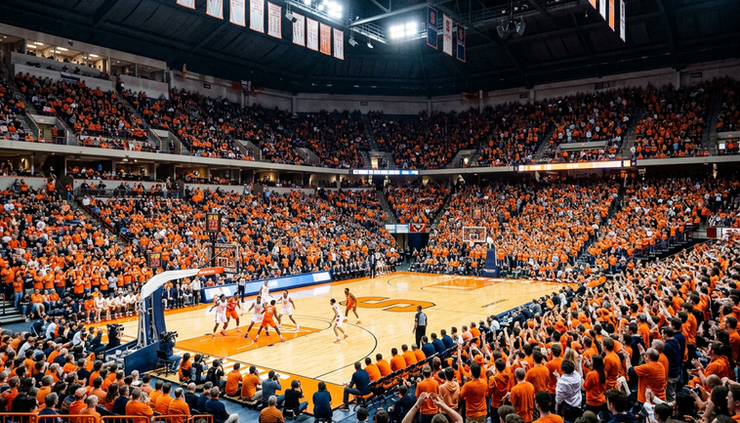
What to watch as Syracuse builds toward 2026-27
The first rule of any season preview this far out is simple: stay flexible. College basketball rosters now change quickly. The transfer portal, NBA Draft decisions, redshirts, injuries, and late recruiting wins can alter a team’s ceiling in a matter of weeks.
For Syracuse, the 2026-27 outlook will likely come down to a few familiar themes.
Roster balance will matter more than star power alone
Syracuse has often been at its best when it mixes a clear lead scorer with defined role players. The 2003 national title team had Carmelo Anthony, but it also had Gerry McNamara’s shooting, Hakim Warrick’s length and shot blocking, and steady guard play around them.
That lesson still applies. The 2026-27 Orange will need more than one headline name. They will need:
Reliable ball handling
ACC play punishes loose possessions. Syracuse needs guards who can handle pressure, initiate offense, and close games.
Consistent shooting
The Dome can feel huge for visiting teams, but it can also expose cold shooting nights. Spacing will be central to any modern Syracuse offense.
Frontcourt depth
Foul trouble, rebounding, and rim protection decide plenty of conference games. A rotation with size and mobility gives the staff more options.
Defensive buy-in
Syracuse became famous for zone defense under Jim Boeheim, but the modern Orange have used more variety. The best version of the team will defend with purpose, whether in zone, man, or matchup looks.
The ACC schedule will test growth
Syracuse joined the ACC in 2013 after decades in the Big East. That move changed the weekly rhythm of the season. Old rivalries gave way to matchups with Duke, North Carolina, Virginia, Louisville, and other programs with deep basketball roots.
By 2026-27, the Orange will again need to survive a league schedule that rewards mature teams. Road wins will be hard. Home games at the JMA Wireless Dome will be vital. The most successful Syracuse teams usually protect home court, steal a few road games, and enter March with a clear identity.
Fans can track official updates through the Syracuse men’s basketball page at Cuse.com, which is the best source for schedules, roster changes, game notes, and ticket information.
The coaching identity is still evolving
Adrian Autry took over after Jim Boeheim’s long tenure ended in 2023. That made Syracuse one of the most interesting transition stories in college basketball. Boeheim’s system had shaped the program for nearly half a century, so any new era was always going to require patience.
By the 2026-27 season, the questions will be sharper. What does Autry’s Syracuse look like at full maturity? How does the program recruit? How does it defend? What style of guard play defines the offense? How much of the Boeheim-era identity remains, and what has changed?
Those questions will shape perception as much as wins and losses.
The history that gives each Syracuse season weight
Syracuse basketball history stretches far beyond the biggest modern highlights. The program has produced elite players, famous teams, unforgettable March moments, and one of the sport’s iconic coaching runs.
For quick historical records and year-by-year results, Sports Reference’s Syracuse Orange men’s basketball page is a useful starting point. It helps put individual seasons in context instead of judging them by memory alone.
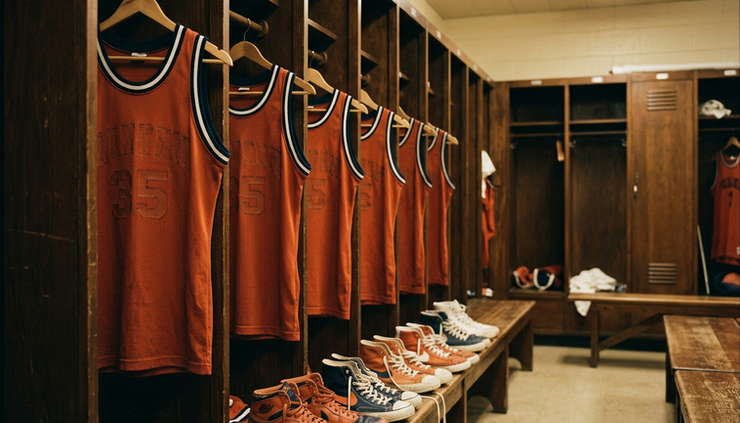
Dave Bing helped set the standard
Dave Bing remains one of the most important figures in Syracuse basketball history. Long before modern TV coverage and recruiting rankings shaped the sport, Bing brought national credibility to the Orange. He later became an NBA Hall of Famer, giving Syracuse a lasting connection to basketball excellence at the highest level.
His place in program history matters because it shows that Syracuse was not built by one era alone. The roots go deeper than the Dome, the Big East, or the 2003 championship.
The Big East years made Syracuse a national brand
For many fans, Syracuse basketball will always be tied to the old Big East. Games against Georgetown, St. John’s, Villanova, UConn, Pittsburgh, and others gave the program a hard edge. The conference felt personal. Every road game was loud. Every Madison Square Garden trip had weight.
Pearl Washington became a symbol of that era. His handle, creativity, and confidence made him a legend in Syracuse lore. Derrick Coleman, Sherman Douglas, Billy Owens, and other stars helped keep the Orange in the national conversation through the 1980s and early 1990s.
Those teams shaped how people still talk about Syracuse. They were skilled, emotional, and built for big stages.
The 2003 national championship still defines the modern program
The 2003 run remains the peak. Carmelo Anthony arrived as a freshman and delivered one of the great one-season college careers. Gerry McNamara hit big shots. Hakim Warrick made the block against Kansas that still lives in Orange memory. Jim Boeheim won his national title after years of near misses and deep tournament runs.
For newer fans, the 2003 team is required viewing. It explains the standard that still follows the program. Syracuse does not measure itself only against making the tournament. The program has experienced the top of the sport, so expectations naturally carry that history.
The NCAA’s official men’s basketball site is a helpful resource for tournament coverage, March Madness archives, and national context when comparing Syracuse’s postseason history with other major programs.
The Final Four runs kept the belief alive
Syracuse has also had memorable Final Four teams beyond 2003, including the 2013 and 2016 runs. Those seasons reminded fans how dangerous the Orange can be in March when the defense tightens, guards get hot, and opponents struggle to prepare on short rest.
That is part of Syracuse’s national reputation. Even when a regular season feels uneven, nobody wants to see a confident Orange team in a tournament bracket.
Traditions that make Syracuse basketball feel different
Traditions matter because they connect a current roster to everyone who came before it. At Syracuse, those traditions are not just decorative. They shape the atmosphere, the fan base, and the way the program presents itself to the sport.
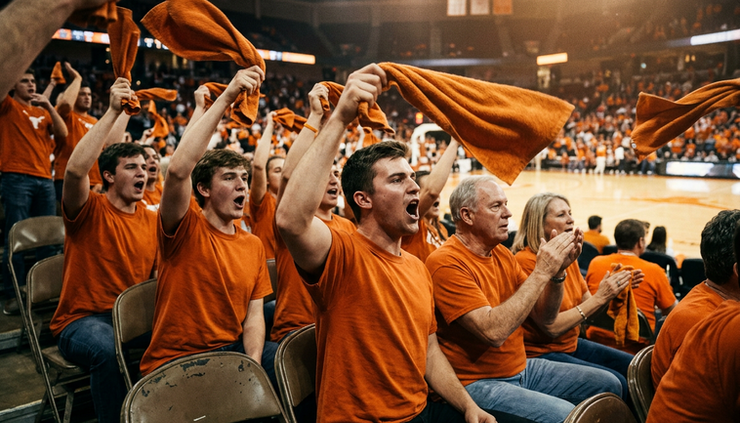
The Dome creates a scale few schools can match
The JMA Wireless Dome is central to Syracuse basketball. It is not a traditional basketball arena, and that is the point. Its size gives big games a different feel. When the building fills, the court seems to sit inside a rolling wall of orange.
That scale has practical value. Recruits notice it. Opponents feel it. Fans remember it. Syracuse has regularly drawn some of the largest on-campus crowds in college basketball, and the Dome helps turn regular-season games into events.
Game-day energy also teaches new fans what the program means locally. Syracuse is not in a major NBA city. Orange basketball carries a community weight that larger markets often spread across several teams.
Orange is more than a color
The school’s nickname and color create one of the simplest identities in college sports. Orange is instantly recognizable. It fills the Dome, travels to tournaments, and connects alumni across the country.
That matters in recruiting and television, but it matters more emotionally. A fan wearing orange in Brooklyn, Chicago, Atlanta, or Los Angeles is often signaling a link to Central New York, family history, or years spent watching winter basketball.
The zone defense remains part of the program’s memory
Jim Boeheim’s 2-3 zone became one of the most famous systems in college basketball. At its best, it used length, spacing, and discipline to frustrate opponents. It also gave Syracuse a clear identity. Fans knew what they were watching. Opponents knew what was coming and still struggled with it.
The current program does not have to play one defense forever. College basketball has changed, and Syracuse has changed with it. Still, the zone remains part of the program’s language. When Syracuse extends its defense, traps a corner, or forces rushed jumpers, longtime fans see the connection.
Rivalries still give the season emotional peaks
Conference changes altered the schedule, but rivalry energy remains part of Syracuse basketball. Georgetown games still carry historical meaning. Duke matchups became major events after Syracuse joined the ACC. Games against former Big East opponents bring back a different kind of edge.
For the 2026-27 season, any schedule release should be read with these emotional dates in mind. Some games matter for standings. Some matter because they carry decades of memory.
Fan resources for following the 2026-27 Orange
A good Syracuse season is easier to enjoy when the right resources are close at hand. The best mix includes official team news, reliable statistics, historical context, and fan-driven discussion.
Start with official sources
The official team site is the cleanest place for confirmed news.
Syracuse men’s basketball at Cuse.com
Use it for rosters, game recaps, schedules, ticket links, and staff information.
ACC official men’s basketball page
Use it for conference standings, awards, schedules, and league-wide news.
Use it for tournament information, rankings coverage, and national postseason context.
Use statistics to see beyond the score
Box scores tell part of the story. Deeper stats help explain how a team is really playing. Is Syracuse winning because of hot shooting, strong defense, free throws, offensive rebounding, or turnover margin? Those details matter when projecting whether success can last.
Useful places to compare performance include:
Sports Reference college basketball
Strong for historical records, player stats, coaching records, and season summaries.
A respected ratings site for tempo, efficiency, and team strength. Some features may require a subscription.
Bart Torvik’s college basketball ratings
A useful resource for team profiles, projections, and date splits.
These tools are especially helpful during ACC play. A close loss can look different if the Orange defended well but missed open shots. A comfortable win can look less convincing if poor free-throw shooting or turnovers continue.
Follow history and fan culture
Syracuse fandom has a strong online memory. That matters because the program’s past is part of the present conversation.
A long-running fan resource with historical rosters, records, and player information.
A fan-focused site with commentary, recruiting discussion, and Syracuse basketball coverage.
Troy Nunes Is An Absolute Magician
A Syracuse community site with analysis, opinion, and fan conversation.
Fan sites are best read as conversation starters rather than official records. They add personality, context, and debate, which are all part of following a team closely.
What would make 2026-27 a successful Syracuse season?
Success for Syracuse in 2026-27 should not be defined by nostalgia alone. The Orange do not need to recreate 2003, the Big East glory years, or the exact Boeheim formula. They need to show that the program is building a clear path forward.
A strong season would include:
A defined offensive identity
Better consistency in ACC play
Development from returning players
Productive newcomers who fit real roles
A strong home-court record
Meaningful games in February and March
A postseason bid that feels earned, not lucky
For longtime fans, the season will also be about continuity. Does Syracuse still feel like Syracuse? Does the Dome still create pressure? Does the team play with toughness? Do young players understand the standard?
For newer fans, 2026-27 can be a perfect entry point. The program has enough history to reward learning, but enough change to feel fresh. The key is to watch with both eyes open: one on the current team, and one on the long Orange line behind it.
Syracuse basketball has always lived in that space between memory and possibility. The 2026-27 season will bring new names, new tests, and new arguments. If the Orange can blend modern roster building with the pride and pressure of their history, the year will have a chance to become more than another schedule on the wall. It can become another chapter worth remembering.


Comments