TD Garden Seating: Best Seats and Seat Views Guide

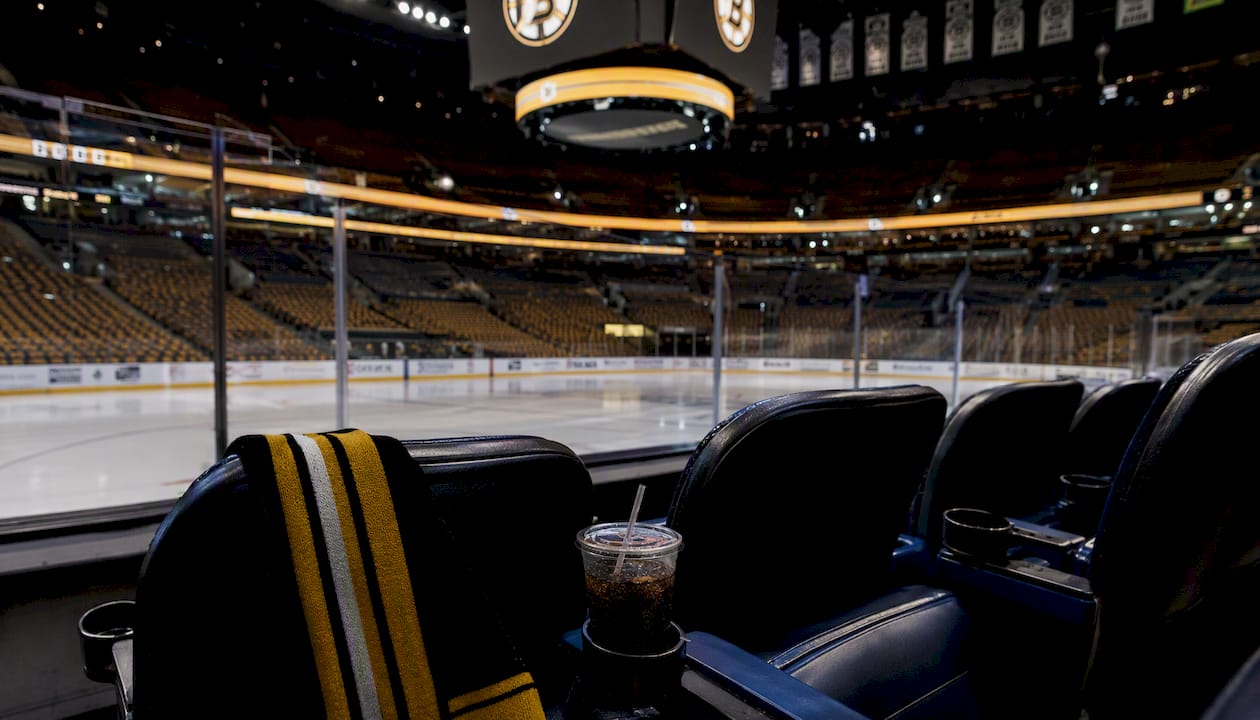
For most events, the best TD Garden seating comes down to three zones: center lower bowl (sections 101–118) for Celtics games, center-ice lower or mid-level (sections 1–9 or loge 1–9) for Bruins games, and loge center or lower-level center for concerts. Floor seats sound appealing but often mean a flat, partially obstructed view unless you’re within the first 10 rows. Before you buy anything, preview the exact section and row using the TD Garden Seat Finder, the TD Garden Virtual Venue™ by IOMEDIA, or fan-uploaded photos on A View From My Seat.
Quick picks by event:
Bruins (NHL): Sections 1–9 lower bowl, center ice; loge rows 1–5 for a balance of proximity and elevation
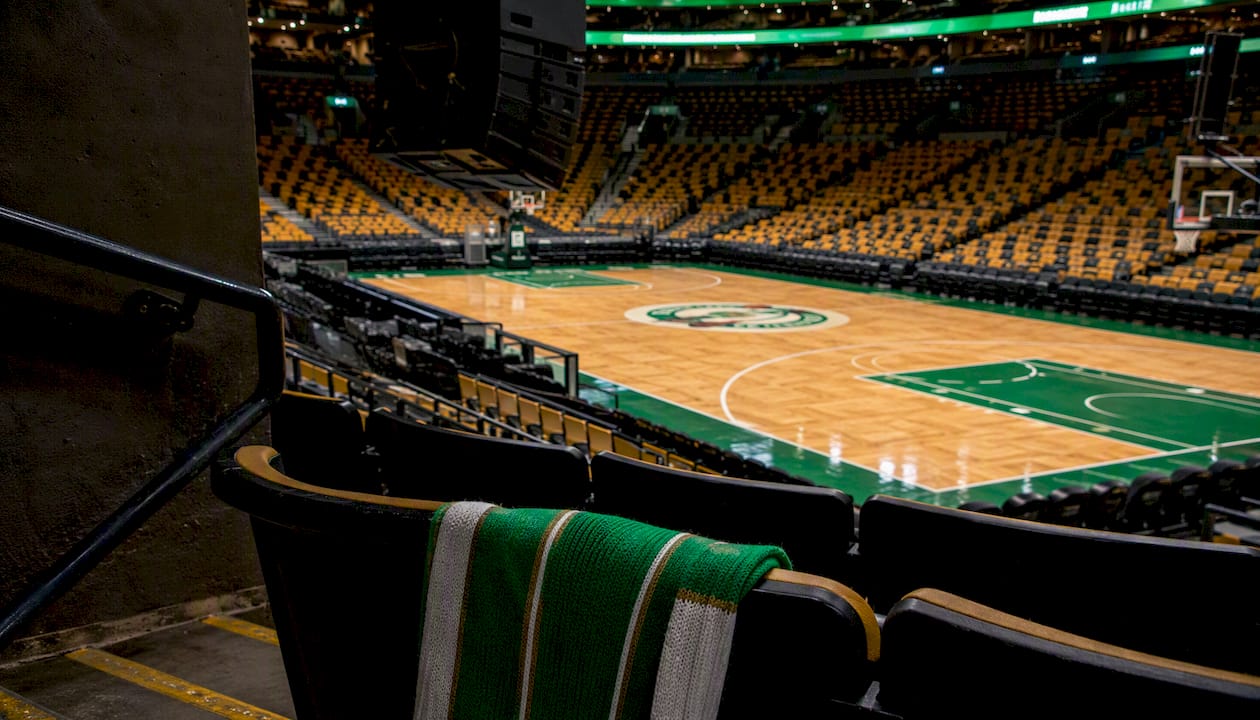
Celtics (NBA): Sections 101–118 lower bowl, center court; loge center for a slightly elevated angle
Concerts: Loge center (sections 1–9) or lower-level center depending on stage setup; avoid far end-stage corners
Budget pick: Upper 300-level center sections for a full-arena view at a fraction of the price
Capacity shifts with every event type, so always verify the current layout on the official map before purchasing.
Key Takeaways
The fastest path to the right TD Garden seat is to preview the exact section and row with the official Seat Finder, confirm with fan photos, and buy with a price alert active.
Point | Details |
Use official 3D tools first | The TD Garden Seat Finder and IOMEDIA Virtual Venue show the exact sightline before you buy. |
Confirm with fan photos | A View From My Seat’s green-row indicators show which sections have real photos for cross-checking. |
Capacity varies by event | Basketball seats roughly 18,600; hockey about 17,500; concerts up to approximately 19,580. |
Best seats by event type | Lower bowl center for Celtics and Bruins; loge center for concerts; 300-level center for budget views. |
The Ticket Blog | Provides seat guides, price alerts, and curated deals to help you find the right TD Garden seat at the best price. |
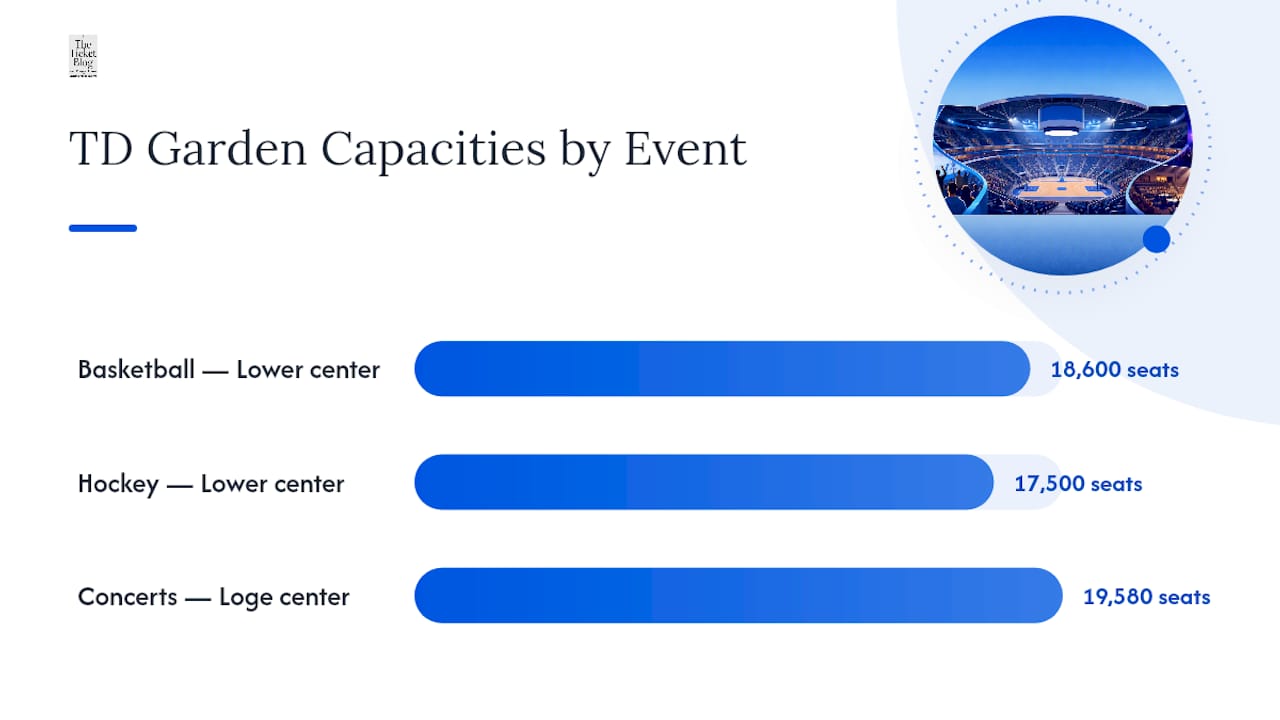
Table of Contents
How do you preview exact TD Garden seat views before buying?
Three tools cover the full picture, and using all three takes less than five minutes.
Open the TD Garden Seat Finder. This is the official tool. Click any section on the map to load a 3D render of the view from that seat. You can toggle between sections and rows to compare sightlines directly.
Switch to the IOMEDIA Virtual Venue. This interface lets you change event configurations (end-stage vs. center-stage vs. sports setup) and toggle between arena levels. Use the level controls on the left panel to jump from the 100 level to the 300 level and back.
Cross-check with A View From My Seat. Sections with fan-uploaded photos are highlighted in green on the interactive chart. Click a green section to browse real photos taken from that row, which often reveal details the 3D render misses: speaker clusters, railing obstructions, and actual stage distance.
Compare the render to the photos side by side. Open both in separate browser tabs. The 3D render shows the ideal sightline; the fan photo shows the real one.
Pro Tip: Fan photos are typically shot with a smartphone’s wide-angle lens, which compresses distance and makes the stage look closer than it is. If a photo looks great but the section is listed as “limited view,” trust the label over the photo.
One important limitation: the IOMEDIA Virtual Venue defaults to a specific event configuration. If you’re buying for a concert with an end-stage setup, confirm the stage orientation first. An end-stage concert turns sections behind the stage into partial or full obstructed-view seats, and the default 3D render may not reflect that.
TD Garden seating levels explained: what each section delivers
AmericanArenas documents a maximum concert capacity of roughly 19,580 at TD Garden, while TickPick notes the configuration drops to approximately 18,600 for basketball and about 17,500 for hockey. Those differences reflect how the floor is configured and which sections are opened or closed.
What each level actually feels like:
Lower bowl (100 level): The rake is gradual, so rows 10–20 still feel close. Center sections have clean sightlines to both the scoreboard and the playing surface. Expect premium pricing, especially for center-court and center-ice seats.
Loge: Slightly elevated above the lower bowl, which actually improves the view for hockey (you see over the glass) and basketball (you see the full court). A strong value pick when center sections are available.
Club seats: Wider seats, padded backs, and in-seat food service. The view is comparable to upper loge, but the comfort difference is real for a three-hour game.
300 level: The steep rake is the defining feature. You get a complete overhead view of the ice or court, which some fans prefer for reading plays. Mobility concerns apply here; the stairs are steep and long.
Floor: For concerts, floor seats are standing-room unless the event uses reserved floor seating. Without elevation, anyone taller than you blocks the view.
What are the best seats at TD Garden by event type?
Bruins (NHL) games
Best view: Sections 1–9, lower bowl, center ice. You’re level with the action and close enough to track the puck without straining.
Best value: Loge sections 1–5, rows C–F. Slightly elevated above the glass, which eliminates the “glass glare” issue that plagues row 1 seats.
Budget option: Upper 300-level center sections (310–318). The view is distant but complete, and you can follow the full ice surface.
Celtics (NBA) games
Best view: Lower bowl center-court, sections 101–118. AmericanArenas recommends center-court lower bowl as the top pick for basketball, and the sightlines support that.
Best value: Loge center, rows B–E. Elevated enough to see the full court, priced below the front-row lower bowl.
Budget option: 300-level center sections. The overhead angle actually works well for basketball, where reading the play matters as much as proximity.
Concerts
End-stage setup: Loge center (sections 1–9) or lower bowl center (sections 101–115) are the sweet spots. Avoid sections directly behind the stage and far corner sections, which often carry limited-view designations.
In-the-round setup: Almost any center section works. Lower bowl center and loge center both deliver strong audio and sightlines.
Floor seats: Only worth it if you prefer the standing-crowd energy. Audio can be uneven on the floor, and the flat surface means a tall person in front of you is a real problem.
Pro Tip: Always check whether a concert is end-stage or in-the-round before buying. The IOMEDIA Virtual Venue has an end-stage configuration at this link that shows exactly which sections face the stage and which are behind it. That one check can save you from buying a $200 seat with a partial view of the speaker stack.
For a broader look at how seat position affects value across major arenas, The Ticket Blog’s best seats per dollar guide breaks down the math across multiple venues.
How do row numbers and seat counts work at TD Garden?
Understanding the numbering system helps you read the seating chart accurately and pick the right row.
Lower bowl (100 level): Rows are typically numbered 1–20 or higher, with Row 1 closest to the floor. Seat numbers run from low (aisle) to high toward the center of the section, then back down on the other side. Aisle seats carry the lowest and highest numbers in a row.
Loge level: Rows are often labeled A through F or AA through FF, with Row A (or AA) being the front row closest to the lower bowl. These are among the most desirable seats in the building for sightlines.
300 level: Rows start at 1 at the front of the upper bowl and increase toward the back. Row 1 in the 300s is still significantly higher than the 100-level floor, so even “front row” upper bowl seats involve a steep climb.
Seat counts per row: Center sections in the 100 and 300 levels typically run 20–30 seats per row. Corner and end sections are narrower, often 10–18 seats per row.
Capacity at a glance: TickPick reports roughly 18,600 seats for basketball, about 17,500 for hockey, and up to approximately 19,580 for concerts at TD Garden, depending on floor configuration.
Always use the official interactive map to confirm seat-number direction in your specific section. The map rotates the view so you can see whether seat 1 is on the left or right aisle from your perspective facing the floor.
Accessible seating and accommodations at TD Garden
TD Garden’s Plan Your Visit page outlines the venue’s commitment to providing accommodations for guests with disabilities. ADA-accessible seats are distributed across multiple levels so guests can choose their preferred price range and proximity.
Accessible seating locations by level:
100 level (lower bowl): ADA spaces are available at the rear of lower-bowl sections, with companion seats adjacent. These offer good sightlines without requiring stairs.
Loge level: Some accessible positions are available at the loge level with companion seating.
300 level: Accessible spaces exist, but the steep rake and long stairways make this level less suitable for guests with significant mobility concerns.
Club level: Accessible seating is available with elevator access from the main concourse.
Steps to request accessible seating:
Visit the TD Garden Plan Your Visit page and locate the accessibility section for current contact details.
Call or email the TD Garden guest services team before purchasing to confirm available ADA sections for your specific event.
When purchasing through an authorized ticket platform, use the accessibility filter or note in the order to flag your needs.
Arrive early to allow time for elevator access and to locate your section without rushing.
Pro Tip: The 100-level rear ADA positions and club-level accessible seats are the easiest for guests using wheelchairs or with limited mobility. The 300 level has accessible spaces, but the approach involves long ramps and steep concourse stairs that can be tiring even for guests without mobility issues.
A practical checklist for choosing and buying TD Garden seats
Follow these steps before you complete any ticket purchase.
Confirm the event layout. Check whether the concert is end-stage, in-the-round, or a sports configuration. The IOMEDIA Virtual Venue and the official Seat Finder both reflect layout changes.
Preview your exact section and row using the TD Garden Seat Finder. Don’t just pick a section; drill down to the specific row.
Check fan photos on A View From My Seat for that section. Green-highlighted rows have photos available.
Read any “limited view” or “obstructed view” labels on the ticket listing. These are not suggestions; they mean part of the stage or playing surface is blocked.
Compare price tiers. Loge center often delivers 80–90% of the lower-bowl experience at a lower price point. Check The Ticket Blog’s buying guide for timing strategies and alerts.
Verify your entry gate. TD Garden has multiple entry points, and your section determines the fastest gate. Check the official map for gate assignments before the event.
Common mistakes to avoid:
Buying generic floor seats without knowing whether the concert is standing-room or reserved
Ignoring “limited view” labels because the price looks good
Paying premium prices for off-center floor seats that are farther from the stage than mid-loge center seats
Skipping the row-level preview and buying based on section alone
Pro Tip: Ticket prices for TD Garden events often drop in the 48–72 hours before the event as sellers reduce prices to move inventory. Set a price alert on your preferred ticket platform and check back the day before if your schedule allows. For concerts especially, last-minute deals on secondary markets can be significant.
For more on timing purchases and using price alerts effectively, see The Ticket Blog’s guide on how to buy tickets for events.
Where to find real seat photos and how to read them
The best sources for verified seat photos, in order of reliability:
A View From My Seat: The most complete fan-photo database for TD Garden. Green sections on the chart have photos; click to browse by row. This is the first stop for any seat you’re seriously considering.
Official TD Garden venue galleries: The Seat Finder includes venue-provided images for many sections, which are useful for general orientation but may not reflect the exact row.
Ticket marketplace photo previews: Some secondary market platforms include seat-view photos pulled from fan submissions or the official venue tool. Quality varies.
Social media (Instagram, X/Twitter): Search the section number plus “TD Garden” to find fan posts. These are unfiltered and often show the actual concert or game setup, including stage placement.
When judging a photo’s reliability, watch for three things. First, smartphone wide-angle lenses compress distance, making the stage or court look closer than it actually is. Second, photos taken during a different event type (a hockey game photo used to evaluate a concert seat) won’t reflect the current stage setup. Third, a photo taken from the aisle seat shows a slightly different angle than a center seat in the same row.
The Ticket Blog’s take on how to actually pick a seat
Most seat-buying mistakes come from trusting the section label instead of the actual view. “Lower bowl” sounds great until you realize you’re in row 18 of a corner section with a partial sightline to the near basket and a speaker cluster blocking your left side. The official 3D tools exist precisely to prevent that, yet most buyers skip them.
The approach worth trusting combines three inputs: the official 3D render for the baseline sightline, a fan photo from the same section for real-world confirmation, and the price relative to comparable sections. When those three align, you have a defensible seat choice. When they conflict, the fan photo usually wins.
One thing that gets underestimated: audio quality varies significantly by section at TD Garden. The 300 level, despite its reputation as the “cheap seats,” often has cleaner sound for concerts because the speakers are angled toward that level. Lower-bowl floor-adjacent seats can be muddy for audio, particularly for end-stage shows where the speaker stacks are pointed away from the first 10 rows.
The other overlooked variable is entry and exit. If you’re attending a Bruins or Celtics game and plan to leave before the final buzzer to beat traffic, your gate assignment matters as much as your seat. The official map shows gate locations relative to sections, and a two-minute walk to the right gate can save 20 minutes in post-game congestion.
The Ticket Blog helps you find the right TD Garden seat and the best price
Knowing which section to target is only half the work. The other half is finding that seat at a fair price, and that’s where The Ticket Blog’s guides, price alerts, and curated deals make a real difference.

The Ticket Blog tracks ticket pricing trends for TD Garden events across major platforms, flags when prices drop below typical market rates, and publishes promo codes and deal alerts when they’re available. Instead of checking five platforms manually, you get a single resource that surfaces the best available price for your target section. Whether you’re after loge center for a Celtics playoff game or a budget 300-level seat for a concert, the blog’s ticket-buying guide walks you through the process step by step. Check the current TD Garden listings and set a price alert before your event date so you don’t miss a drop.
Sources
Use each source for the task it does best:
Recommended


Comments