Why Are Broadway Tickets So Expensive? 2026 Guide
- Capital City Tickets
- Jul 2
- 7 min read


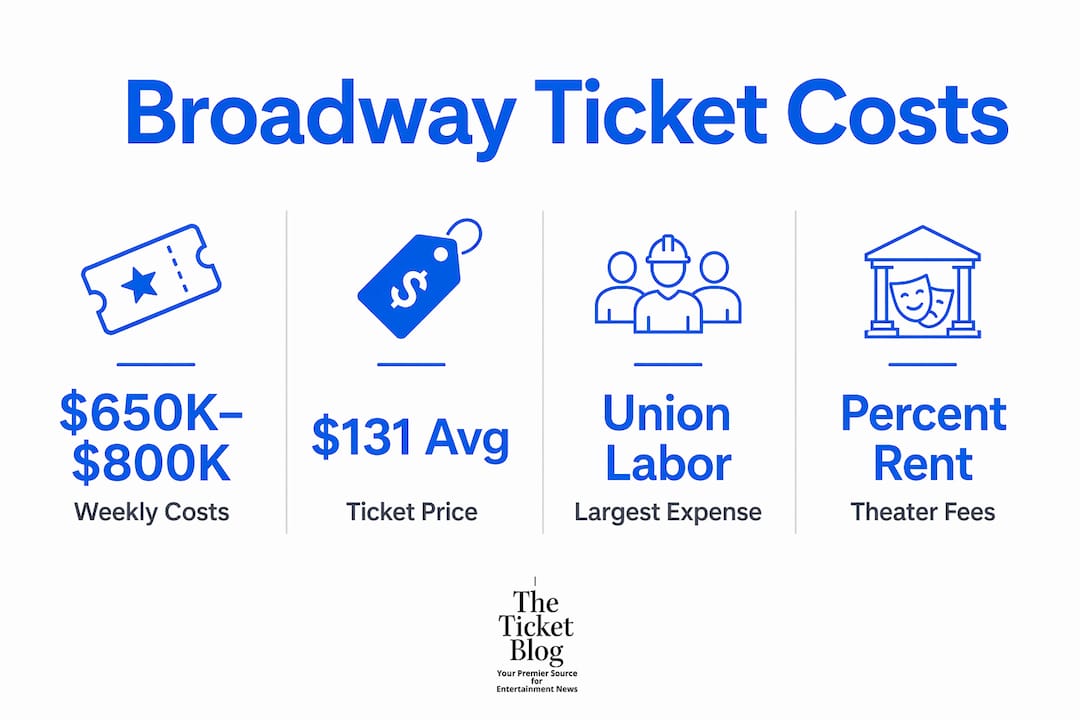
Broadway tickets are expensive because producing a show on Broadway costs an extraordinary amount of money, and ticket sales are the primary way producers recover those costs. The average Broadway ticket price reached approximately $131 in the 2025–26 season, up from $125.27 in 2023–24. That number reflects massive weekly operating budgets, union labor requirements, theater rent structures, and a demand-driven pricing environment where popular shows command far more than face value. Understanding why Broadway theater tickets are so pricey starts with the economics behind every curtain rise.
Why are Broadway tickets so expensive to produce?
The single biggest driver of expensive theater tickets is the cost of running a show week to week. Weekly operating costs for major musicals range between $650,000 and $800,000, covering labor, marketing, and theater rent. That figure does not include the initial capitalization costs to mount the show in the first place, which can run into the tens of millions of dollars.
Labor is the largest line item in that weekly budget. Broadway productions operate under agreements with multiple unions, including Actors’ Equity Association, the International Alliance of Theatrical Stage Employees (IATSE), and the American Federation of Musicians. Each union sets minimum staffing levels, wage floors, and benefit contributions that producers must meet regardless of the show’s actual artistic needs.
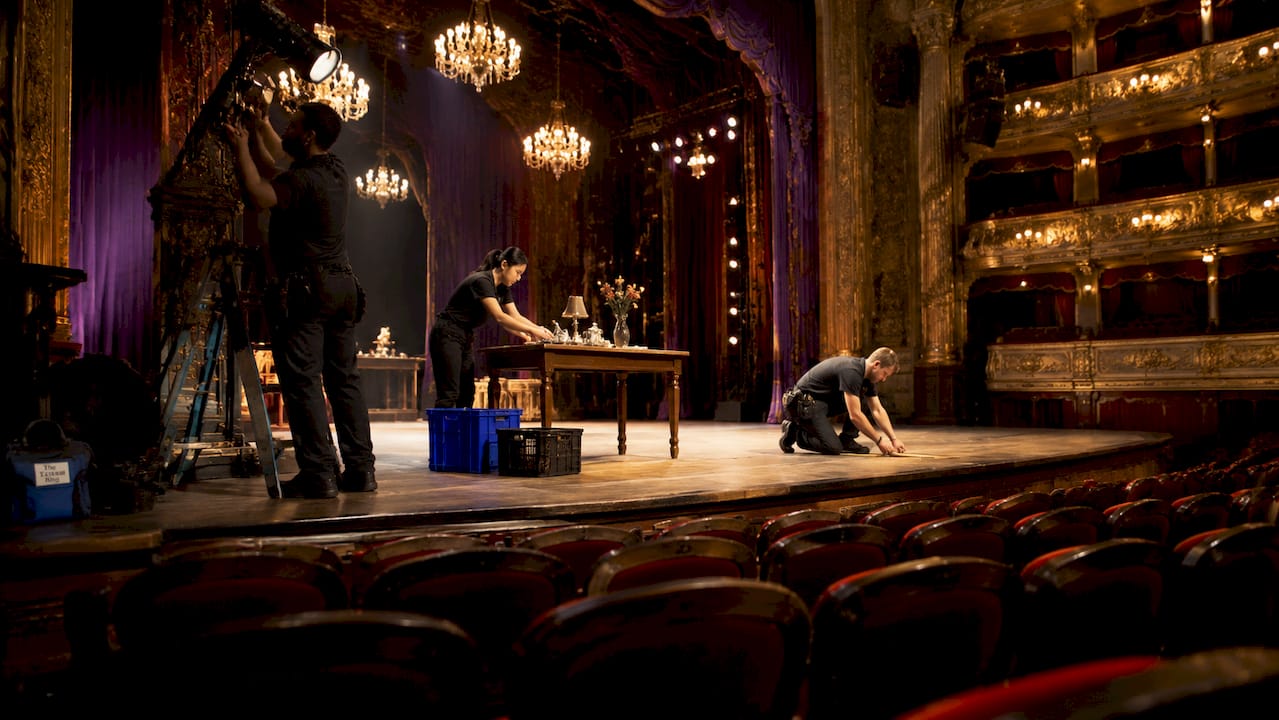
Theater rent adds another significant layer. Theater owners charge productions a fixed weekly rent plus a percentage of gross sales, typically 6–7%. That arrangement gives building owners a direct stake in every ticket sold and creates a fixed cost floor that producers cannot negotiate away. Marketing budgets for major productions routinely reach millions of dollars per year, adding further pressure on the revenue side.
Category | Average ticket price (2025–26 season) |
Plays | $139.55 |
Musicals | $128.83 |
Overall average | $131.00 |
Plays actually average higher than musicals, which surprises many theatergoers. Plays tend to run shorter seasons and rely more heavily on star casting, which pushes premium pricing higher.
Pro Tip: If you want to understand the full pricing structure before you buy, The Ticket Blog’s guide on theater ticket pricing breaks down every cost layer in plain language.
How do supply, demand, and dynamic pricing shape Broadway ticket costs?
Broadway ticket prices do not stay fixed from the moment a show opens. Producers and ticketing platforms use dynamic pricing, a method where prices adjust in real time based on demand, day of the week, and how close the performance date is. Dynamic pricing causes ticket prices to vary by day and demand, often rising sharply as show dates approach, much like airline fares.
Tourism plays a major role in this equation. New York City draws tens of millions of visitors each year, and Broadway is a top destination activity. Tourists tend to have less price sensitivity than local theatergoers because the show is part of a larger trip budget. That demographic reality gives producers confidence to hold prices high, especially on weekends and during peak travel seasons.
Star casting and limited runs create their own demand spikes. Premium seats for star-studded productions can exceed $350, and a family of four attending a popular show can spend over $500 on tickets alone before factoring in travel and dining. When a celebrity with a large following takes the stage for a limited engagement, demand outpaces supply almost immediately.
Several factors drive demand-based price adjustments on Broadway:
Show popularity and reviews: A Tony Award win or a viral social media moment can double demand overnight.
Day of the week: Saturday evening performances consistently command the highest prices.
Proximity to closing: Limited-run shows see price surges as the final performances approach.
Cast announcements: A new star joining a long-running show resets demand and pricing.
Holiday periods: Thanksgiving week and the December holiday season push prices to seasonal highs.
Pro Tip: Buying tickets on a Tuesday or Wednesday for a midweek performance is one of the most reliable ways to find lower Broadway ticket prices without relying on lottery systems.
Why do Broadway’s labor and theater market structures push prices higher?
The structure of the Broadway industry itself creates cost pressures that go beyond what any individual producer controls. Broadway operates within a tightly regulated labor environment, and the rules are specific. Union requirements mandate full salaries and benefits for backup performers and full orchestra minimums. Large theaters require 18–19 musicians even if a show’s score calls for only five. Those musicians receive full union wages and benefits for every performance, regardless of whether they play a single note.
The theater supply problem compounds this. There are roughly 41 Broadway-eligible theaters in New York City, all concentrated in Midtown Manhattan. That scarcity gives theater owners significant leverage. Producers compete for a limited number of houses, and owners know it. The fixed rent plus gross sales percentage structure means that even a financially struggling production continues to generate income for the building owner.
Here is how the industry’s structural cost pressures stack up:
Union wage floors: Every department, from stagehands to wardrobe, operates under collective bargaining agreements with set minimums.
Mandatory staffing levels: Producers cannot reduce crew size below union minimums, even for smaller or simpler productions.
Theater scarcity: Fewer than 45 venues qualify as Broadway houses, limiting negotiating power for producers.
Gross sales percentage: Theater owners collect 6–7% of every dollar in ticket revenue, directly linking their income to pricing.
Capitalization risk: Investors expect returns on multimillion-dollar investments, which requires sustained high ticket revenue.
Discount strategies like rush tickets, lotteries, and TKTS booths exist partly as pressure valves for this system. They allow producers to fill otherwise empty seats at lower prices without publicly cutting face value. The catch is that these options require flexible schedules and advance planning, which limits their usefulness for tourists and casual viewers. The Ticket Blog covers Broadway rush ticket strategies in detail for readers who want to work within the system.
What are the cultural implications of rising Broadway ticket prices?
The cost of Broadway tickets is no longer just a consumer complaint. Industry experts warn that continuing price increases risk making Broadway a luxury product, narrowing its cultural reach and excluding younger and lower-income audiences. That concern carries real weight when the average ticket already sits above $130 and premium seats regularly exceed $350.
Broadway’s current audience skews older and wealthier than the general population. That demographic reality is partly a product of price. When a night at the theater costs more than a round-trip domestic flight, the pool of potential first-time theatergoers shrinks. The art form depends on new audiences to sustain itself across generations, and high prices create a structural barrier to entry.
Producers are not indifferent to this tension. Broadway producers balance high costs with pricing strategies designed to keep shows economically viable while maintaining some cultural accessibility. Programs like student rush, digital lotteries, and community partnerships attempt to widen access. The challenge is that these programs operate at the margins of a pricing structure driven by costs that show no sign of decreasing.
The long-term health of Broadway depends on solving this equation. A theater industry that prices out the next generation of audiences is not sustainable, regardless of how strong box office records look in the short term. The tension between financial survival and cultural mission is the defining challenge facing Broadway producers today.
Key Takeaways
Broadway tickets are expensive because weekly operating costs of $650,000–$800,000, union labor mandates, theater rent structures, and dynamic demand pricing all combine to set a high floor on what producers must charge to survive.
Point | Details |
High weekly operating costs | Major musicals cost $650,000–$800,000 per week to run, requiring strong ticket revenue every performance. |
Union labor mandates | Staffing minimums require 18–19 musicians even when a show needs far fewer, inflating weekly labor costs. |
Theater rent structure | Owners collect fixed rent plus 6–7% of gross sales, creating a cost floor producers cannot reduce. |
Dynamic pricing | Ticket prices rise with demand, especially on weekends, holidays, and for star-driven limited runs. |
Cultural access risk | Prices above $130 on average risk excluding younger and lower-income audiences from the art form. |
The Ticket Blog’s take on Broadway pricing
The frustration theatergoers feel when they see a $300 ticket is completely understandable. But the anger is often directed at the wrong target. Producers are not setting high prices out of greed. They are setting them because the alternative is closing the show. The financial risk of mounting a Broadway production is enormous, and most shows still lose money even with strong ticket sales.
That said, the industry has a real problem it cannot keep deferring. When the average ticket costs $131 and premium seats push past $350, Broadway is pricing itself into a corner. The audiences who can afford those prices today are not infinite. The theatergoers who will sustain the art form 20 years from now are being priced out right now.
The most honest thing the industry could do is acknowledge that the current cost structure is not fully sustainable and that structural reform, not just discount programs at the margins, is what the long-term picture requires. Rush tickets and lotteries are helpful. They are not a solution. The real work is in renegotiating the cost architecture that makes $130 the floor rather than the ceiling.
— The Ticket Blog
Broadway tickets made more affordable with The Ticket Blog
Knowing why Broadway ticket prices are high is useful. Knowing how to pay less for them is better.

The Ticket Blog publishes practical guides on finding discounted tickets for Broadway shows, concerts, and sports events, including detailed breakdowns of rush programs, lottery systems, and secondary market strategies. Whether you are planning your first Broadway trip or your fiftieth, the guides cover every realistic path to a lower price. Check The Ticket Blog regularly for updated promo codes, buying tips, and coverage of Broadway pricing trends as the 2025–26 season continues to set records.
FAQ
What is the average cost of a Broadway ticket in 2026?
The average Broadway ticket price reached approximately $131 in the 2025–26 season. Plays averaged $139.55 and musicals averaged $128.83.
Why are Broadway musicals cheaper on average than plays?
Plays tend to run shorter seasons and rely more heavily on star casting, which pushes their average price above musicals. Musicals typically have longer runs and more seats to fill, which moderates average pricing.
How does dynamic pricing affect Broadway ticket costs?
Dynamic pricing adjusts ticket prices in real time based on demand, day of the week, and proximity to the performance date. Prices rise as a show sells out or as the date approaches, similar to how airline fares work.
What is the cheapest way to get Broadway tickets?
Rush tickets, digital lotteries, and the TKTS discount booth in Times Square are the most reliable ways to pay below face value. These options require flexible scheduling and, in some cases, same-day availability.
Do union rules really make Broadway tickets more expensive?
Yes. Union agreements require minimum staffing levels across all departments. Large theaters must employ 18–19 musicians even when a show’s score needs only a fraction of that number, directly inflating weekly labor costs that producers recover through ticket prices.
Recommended


Comments