Skip the Code: Get Amex Presale Tickets in Minutes


Amex presale access is normally unlocked by using an eligible American Express card at checkout, not by typing in a code. Most Amex presales don’t rely on emailed or printed passcodes at all; the card itself acts as your ticket into the sale. The one exception is Preferred Seating, which sometimes asks for a code. When that happens, it’s usually the 10-digit customer service number printed on the back of your card.
TL;DR:
Linking your Amex card to your ticketing account several days in advance increases the chances of automatic Preferred Seating eligibility during high-demand presales.
A code field appearing at checkout for an Amex presale almost always requires entering the 10-digit customer service number on the back of your card, not a promo code.
Presale ticket inventory is limited, with high-demand sections vanishing quickly, and purchase caps or blackout dates frequently restrict availability.
If the presale sell-out occurs or ticket prices seem high, resale markets often become the only option, making timing and demand critical factors.
Most checkout issues are caused by using prepaid cards, mismatched billing info, or attempting multiple purchases on different devices simultaneously.
Table of Contents
Amex Presale Tickets: A Quick Checklist Before The Clock Starts
Presale windows for a hot tour can close in minutes, so the prep work has to happen before the sale opens, not during it. Here’s the order of operations that gives you the best shot at checking out cleanly.
Sign in to the ticketing site first. Log into your Ticketmaster (or other seller) account the night before and confirm your name, billing address, and saved payment info are current.
Link your Amex card to your account. According to American Express Experiences’ Preferred Seating FAQ, linking an eligible card saves your eligibility directly to your account, so Preferred Seating unlocks automatically the moment you’re logged in.
Double check card eligibility. Prepaid Amex cards don’t qualify for presale benefits, and some Preferred Seating events require a premium card tier.
Keep the same card ready at checkout. Don’t swap payment methods mid-purchase. The system validates the card you use to complete the transaction, not one you enter earlier and abandon.
Watch for a code box. If one shows up, it’s almost always asking for the 10-digit customer service phone number on the back of your card, not a promo code you’d search for online.
Pro Tip: Link your card to Ticketmaster days in advance, not the morning of the sale. Digging through your wallet while a countdown clock ticks away is how seats disappear from under you.
Running through your summer concert ticket buying checklist a day or two ahead catches problems, like an expired card or a mismatched billing address, while you still have time to fix them.
How Amex Presales Work: Standard Access, Preferred Seating, And Reserved Tickets
American Express runs three distinct flavors of presale access, and mixing them up is the root of most confusion.
Standard Amex Presale. This is the most common setup. You get early access to tickets simply by paying with an eligible Amex card at checkout. No code, no registration step, no linking required. Ticketmaster’s own guidance confirms this directly: no code is required, but you do need to complete the purchase with your Amex card.
Preferred Seating. This tier unlocks premium inventory, closer sections, better sightlines, sometimes seats not available anywhere else. You get in one of two ways: link your eligible card to your Ticketmaster account ahead of time, or enter the card’s 10-digit customer service number if a code field appears at checkout.
Reserved Tickets. These are dedicated ticket allotments that promoters or venues set aside specifically for Amex Card Members, then hand off to a third-party seller to fulfill. The seller controls the actual purchase flow, but the allotment itself comes from an agreement between Amex and the event.
It’s worth understanding why these three behave differently: Amex isn’t the one selling you the ticket. According to American Express’s own benefits page, Amex Presale Tickets and Amex Reserved Tickets are benefits extended to Card Members, but the tickets themselves are sold and fulfilled by third-party sellers like Ticketmaster, AXS, or a venue box office. That distinction matters at every step of the process. Amex negotiates the early access window and the inventory set aside for cardholders. The actual seller, whether that’s Ticketmaster or a promoter’s in-house platform, sets the fees, the seating chart, the purchase limits, and the refund policy. If something goes wrong with your order, you’re dealing with the seller’s customer service, not American Express’s.
This also explains why some tours add an extra registration or account-linking step you won’t see anywhere else. High-demand artists and their promoters sometimes layer their own verification process on top of the standard Amex presale mechanics, especially for tours expecting massive demand. When you see instructions on an event page that go beyond “just use your Amex card,” follow them exactly. A US Open tickets page, for example, spells out its own version of the Amex presale window with event-specific timing and access instructions that differ from a typical concert presale. Reading the fine print on the actual event page, rather than assuming every Amex presale works identically, saves you from a checkout that fails for reasons that have nothing to do with your card.
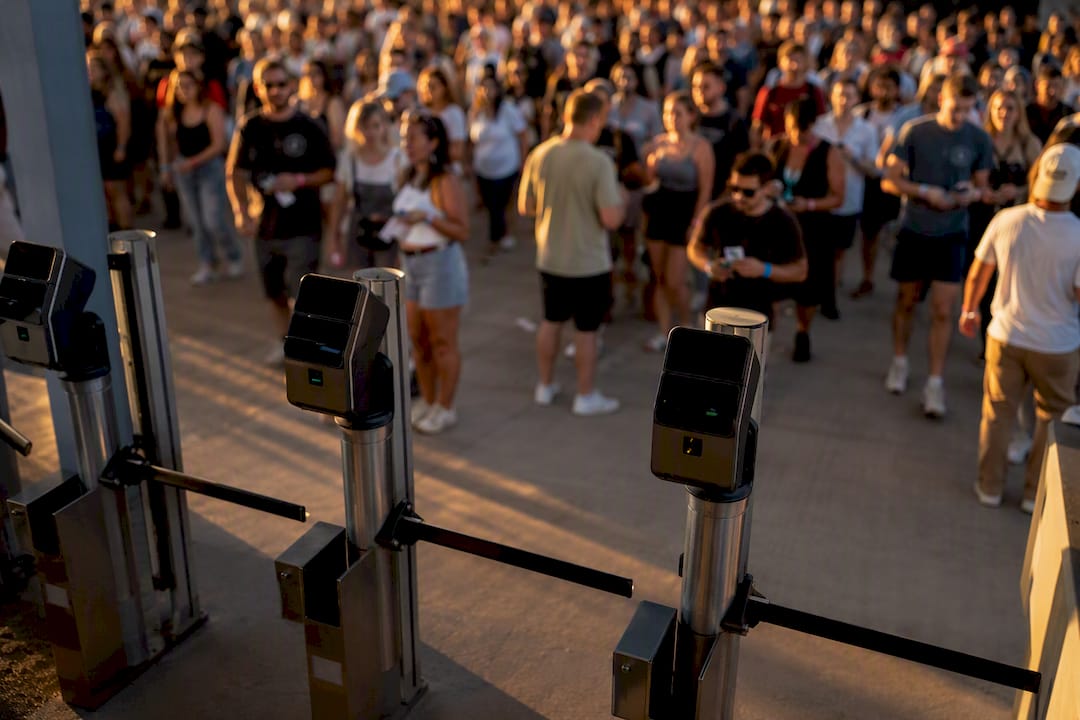
If you’re weighing Amex’s presale access against other early-entry programs, from fan club presales to platform-specific access windows, it helps to see how the mechanics stack up side by side in The Ticket Blog’s guide to presale access platforms.
Fixing The Most Common Amex Presale Checkout Problems
Even with everything set up correctly, checkout hiccups happen. Most of them trace back to one of a handful of predictable issues.
Amex not accepted at checkout. First, confirm it’s not a prepaid or gift card; those are explicitly excluded from presale benefits. Next, check that your billing address and expiration date on file match what’s on the physical card.
No code box appears. This is normal and expected for a standard presale. Proceed straight to checkout and pay with your Amex card. There’s nothing else to enter.
A code box does appear. This usually signals a Preferred Seating event. Enter the 10-digit customer service number printed on the back of your card, according to WalletHub’s breakdown of Amex presale mechanics, not your card number, not your CVV, and not a code emailed to you, because Amex typically doesn’t send one.
Uncertainty about whether your card is linked. Log into your Ticketmaster account settings and check your saved payment methods. If your eligible Amex is listed and verified, Preferred Seating should unlock automatically once you’re signed in for an eligible event.
Trying multiple devices or browser tabs. This can help you get into a queue faster, but never attempt to complete separate purchases on different devices with the same card at the same time; that’s a fast way to trigger a fraud flag or a duplicate-order cancellation.
Pro Tip: If the code box confuses you, remember this one rule: Amex almost never emails or texts a presale code the way some other card issuers do. If you’re searching your inbox for one, you’re solving the wrong problem.
What To Expect: Limits, Fees, And Realistic Odds
Presale access gets you in the door earlier. It doesn’t guarantee you a seat, and it doesn’t guarantee a good price. A few realities worth setting your expectations around:
Inventory is limited. Not every seat in the venue gets held back for Card Members, and popular sections can vanish within the first few minutes of a presale window.
Purchase caps and blackout dates apply. Many events limit how many tickets one Card Member can buy, and some events exclude certain dates or venues from Amex access entirely.
Fees and refund rules come from the seller, not Amex. Service fees, exchange policies, and resale restrictions are set by whichever platform fulfills the ticket, whether that’s Ticketmaster, a venue box office, or a promoter’s own site, according to American Express’s overview of venue benefits.
Check event-specific terms before you buy. A presale for one artist’s tour might behave completely differently from a presale for a sports championship, even though both fall under the same “Amex presale” umbrella.
If the presale sells out before you get through, or the seats left don’t work for your budget, the secondary market becomes your fallback, not your first move. Weighing whether to lock in a presale seat now versus watching resale prices after the general sale is a judgment call that depends on how badly you want that specific date, and tracking deal timing across the buying window can help you figure out which strategy actually saves money for a given event.
What Actually Improves Your Odds During A Presale
Beyond the basics of linking your card and having it ready, a few habits separate the people who get seats from the people refreshing an error page. Pre-linking your Amex to your Ticketmaster account removes an entire step from the checkout flow, since eligibility is already saved and Preferred Seating unlocks the moment you’re logged in. That alone eliminates the most common last-second failure: fumbling for a card number while a queue timer counts down.
Test your account login and saved payment info a day before the sale, not the morning of.
Keep your device and browser updated; queue systems sometimes struggle with outdated browsers or aggressive ad blockers.
Avoid refreshing the checkout page repeatedly once you’re in a queue; that can knock you back in line or trigger a bot-detection flag.
Understand that Amex’s model differs fundamentally from issuers like Citi or Capital One, which sometimes distribute typed or emailed presale codes. Looking for that same pattern with Amex is the single biggest source of confusion cardholders run into.
Knowing why the code box behaves differently for Amex than it does for other card presales isn’t just trivia. It’s the difference between wasting your presale window hunting for an email that will never arrive and getting straight to checkout while seats are still available.
When To Actually Prioritize An Amex Presale
Not every presale is worth rearranging your morning for. Prioritize it when the artist or event has genuinely high demand, when the show has limited dates in your area, or when a specific seat location matters enough that waiting for general sale risks losing it entirely.
Skip the urgency when the presale price sits close to what you’d pay on the secondary market anyway, or when the tickets come with tight transfer restrictions that don’t fit how you actually plan to use them. Run a quick gut check: how much do you actually want this seat, how limited is the inventory, and does your budget allow for presale pricing without regret. If two of those three point toward “yes,” the presale is worth your alarm clock.
— The Ticket Blog
Let The Ticket Blog Do The Watching For You
Tracking a dozen artist tour pages for presale announcements is a part time job most fans don’t have time for. The Ticket Blog exists to do that legwork instead, publishing presale alerts, event-specific buying guides, and promo-code roundups so you’re not the one refreshing tour pages at midnight hoping to catch an announcement.
Our guides break down exactly what a given tour’s Amex presale window requires, whether that’s simple card-at-checkout access or a Preferred Seating code, so you walk into the sale already knowing which scenario you’re in. Pairing that with a broader ticket-buying strategy helps you decide when a presale is worth chasing and when waiting for general sale, or watching resale pricing, makes more financial sense. Head to The Ticket Blog and sign up for alerts on your next must-see show before the presale window opens.
Official Pages Worth Bookmarking
Before any presale, confirm the details straight from the source. American Express outlines eligibility and benefit terms on its Special Ticket Access page, while the Preferred Seating FAQ walks through card linking step by step. Always check the specific event or venue page, too, since promoters can add their own rules on top of the standard presale terms.
Sources
Recommended


Comments