Duke Blue Devils Football Tradition Legends and Fan Culture in 2026

Duke football has always lived with a fascinating tension. It shares a campus with one of college basketball’s loudest brands, yet its own history includes Rose Bowl drama, Hall of Fame talent, ACC titles, NFL quarterbacks, and a fan culture that feels intensely local to Durham.
By 2026, the Duke Blue Devils football story is no longer a footnote. It is a program with old roots, modern ambition, and a distinct identity: smart, tough, proud, and often underestimated.

Duke football’s history runs deeper than many fans realize
Duke began playing football in the late 19th century, long before the school became a national name in basketball. The program grew from regional competition into a Southern power, especially during the first half of the 20th century.
The name that still towers over the early tradition is Wallace Wade. After winning national titles at Alabama, Wade came to Duke in 1931 and gave the Blue Devils national credibility. Under his leadership, Duke became known for disciplined, physical football. The stadium now bearing his name, Wallace Wade Stadium, remains the program’s symbolic home.
The 1938 team is one of the great legends in school history. Known as the “Iron Dukes,” that group went through the regular season without allowing a single point. Their shutout streak ended in heartbreaking fashion at the Rose Bowl, when USC scored late to win 7-3. Even in defeat, that season became part of Duke lore.
Duke also hosted one of the most unusual Rose Bowls ever played. After the attack on Pearl Harbor in December 1941, officials moved the 1942 Rose Bowl from Pasadena to Durham for safety reasons. Oregon State defeated Duke, but the game remains a rare and historic moment: the Rose Bowl played in North Carolina.
The Blue Devils later added major bowl success, including a win over Alabama in the 1945 Sugar Bowl and a Cotton Bowl victory over Arkansas after the 1960 season. Those achievements matter because they remind fans that Duke football once stood near the center of the sport’s national conversation.
The modern era brought its own chapters. Steve Spurrier led Duke to a share of the ACC title in 1989, a striking achievement that still feels bold and memorable. David Cutcliffe then rebuilt the program’s credibility in the 2010s, highlighted by the 2013 ACC Coastal Division title and a run of bowl appearances that changed expectations around Durham.
By 2026, Duke carries both parts of that history. It has the old-school weight of Wade, the underdog spark of Spurrier, and the modern rebuilding story of Cutcliffe, Mike Elko, and the coaches who followed.
The legends who shaped the Blue Devils
Duke’s football identity comes from more than seasons and trophies. It comes from the players and coaches who gave the program its shape.
Wallace Wade built the foundation
Wade remains the central figure in Duke football’s rise. His teams were serious, organized, and nationally respected. He helped turn Duke from a regional program into a school that could compete with major powers.
His legacy is not only in wins. It is in standards. When Duke fans talk about toughness or tradition, they are often echoing the culture Wade built.
Eddie Cameron helped define Duke athletics
Eddie Cameron is better known to many for the basketball arena that bears his name, but his football influence was real. Cameron coached Duke football before becoming a legendary athletic administrator. His career connects different eras of Duke sports, linking football tradition to the broader story of the university.
Steve Spurrier made Duke fun and fearless
Before becoming “The Head Ball Coach” at Florida and South Carolina, Steve Spurrier had a major moment at Duke. His 1989 team shared the ACC championship and played with a confidence that changed how people viewed the program.
Spurrier’s time in Durham showed that Duke could win with creativity and edge. For fans, that season still carries a special charge because it felt both surprising and deserved.
David Cutcliffe gave Duke a modern football identity
David Cutcliffe’s impact may be the most important of the modern era. He inherited a struggling program and built it into a bowl regular. His best teams played sound football, developed quarterbacks, and made Wallace Wade Stadium feel relevant again in the ACC race.
Cutcliffe also helped produce Daniel Jones, who became a first-round NFL Draft pick. That mattered for recruiting and perception. It proved Duke could develop serious pro talent at premium positions.
Players who keep showing up in Duke conversations
A few names come up again and again when discussing Duke football legends:
Ace Parker A College Football Hall of Fame player and one of Duke’s early stars.
George McAfee A brilliant all-around athlete who became a Hall of Fame figure in pro football.
Leo Hart and Wes Chesson Key names from Duke’s late 1960s and early 1970s football identity.
Ben Bennett One of the most productive quarterbacks in Duke history.
Clarkston Hines A record-setting receiver and one of the ACC’s great pass catchers.
Jamison Crowder A dynamic receiver and returner who represented Duke’s modern rise.
Daniel Jones A Cutcliffe-developed quarterback whose NFL path brought national attention back to Durham.
Laken Tomlinson and Graham Barton Modern offensive linemen who showed that Duke could produce high-level talent in the trenches.
These names stretch across eras, which is part of the charm. Duke football history does not belong to one golden age. It has peaks, rebuilds, revivals, and individual stars who made people pay attention.

Fan culture at Duke is smaller, sharper, and deeply Durham
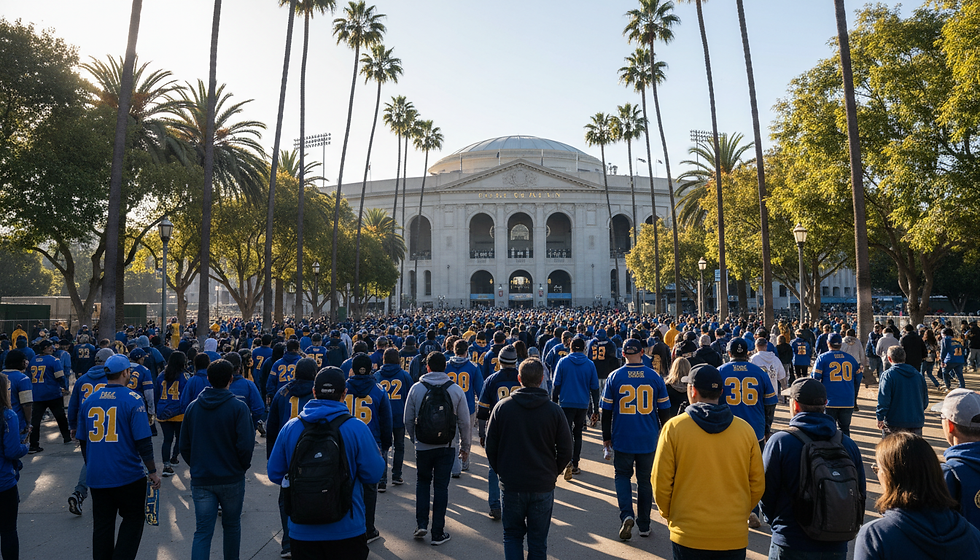
Duke football culture does not try to copy the biggest stadium experiences in the SEC or Big Ten. Wallace Wade Stadium is more intimate, and that changes the mood. The game day rhythm feels tied to campus paths, Gothic architecture, Durham neighborhoods, and a crowd that often includes students, alumni, families, and loyal locals who have lived through every version of the program.
That gives Duke football a different kind of emotional texture.
A Duke home game can include:
Students walking over from East or West Campus.
Alumni returning with basketball memories but football optimism.
Families enjoying a manageable stadium setting.
Durham fans who see Duke as part of the city’s sports fabric.
Visiting ACC fans surprised by how close the echoes feel inside Wallace Wade.
The Victory Bell rivalry with North Carolina gives the culture its sharpest edge. Duke and UNC may be linked most intensely through basketball, but the football rivalry has its own flavor. The Victory Bell is physical proof that football bragging rights matter on Tobacco Road. When Duke wins it, the celebration feels like more than a standings result. It feels like campus pride made loud.
Duke’s fan culture also values resilience. Supporters have seen elite seasons, tough stretches, surprising bowl runs, and rebuilding years. That creates a fan base that knows how to enjoy progress. A strong defensive stand, a late fourth-down conversion, or a bowl invitation can carry real emotional weight.
The Blue Devil mascot adds another layer. The figure is playful, theatrical, and instantly tied to Duke identity. On football Saturdays, that familiar character moves from Cameron Indoor mythology into the open air of Wallace Wade.
As 2026 approaches, the fan base has more reason to expect competitive football. Recent seasons proved that Duke could defend, recruit, develop, and beat ranked opponents. That has changed the game day conversation. Fans are not just honoring the past. They are watching to see whether the next chapter can hold.
The games and moments that define Duke tradition
Every program has a few games that explain its soul. Duke’s list blends heartbreak, history, and sudden joy.
The 1939 Rose Bowl showed Duke’s national ceiling
The 1938 regular season and the Rose Bowl that followed remain central to Duke football memory. The Iron Dukes did not allow a point until the final minute of the final game. That kind of defensive record feels almost unreal now.
The loss to USC hurt, but the story endured because Duke had been so close to perfection. It remains one of the clearest examples of how high the program once climbed.
The 1942 Rose Bowl in Durham made history
The Rose Bowl’s move to Duke after Pearl Harbor created one of college football’s strangest and most meaningful moments. It connected Duke to a national crisis and placed Wallace Wade Stadium at the center of a game normally tied to Pasadena.
The result was not what Duke fans wanted, but the setting made the game unforgettable.
The 1945 Sugar Bowl win gave Duke a major bowl triumph
Duke’s win over Alabama in the Sugar Bowl remains one of the program’s landmark victories. It belongs to a period when the Blue Devils could stand toe-to-toe with the strongest names in the sport.
For a program often framed through modern underdog language, that win is a reminder that Duke’s football ceiling has been high before.
The 1989 ACC title run brought swagger back
Steve Spurrier’s 1989 team gave Duke fans a season with personality. Sharing the ACC championship did more than fill a trophy case. It changed the emotional memory of a generation of supporters.
The idea that Duke could win the league, play with style, and bother traditional powers still matters.
The 2013 season changed modern expectations
The 2013 Blue Devils won the ACC Coastal Division and played Florida State in the ACC Championship Game. That season gave modern Duke football its signature breakthrough under Cutcliffe.
The Chick-fil-A Bowl against Texas A&M also became a memorable night, even in defeat. Duke pushed a high-profile opponent in a wild game and showed a national audience that the rebuild was real.
The 2015 Pinstripe Bowl ended a long wait
Duke’s Pinstripe Bowl win over Indiana gave the program its first bowl victory in decades. Bowl wins are program markers. They help players, recruits, and fans believe that progress has substance.
The 2023 win over Clemson announced a new standard
Duke’s 28-7 win over Clemson in the 2023 season opener was one of the most striking recent results in ACC football. It paired a packed home atmosphere with disciplined defense and opportunistic offense.
That night felt like a statement: Duke could beat a national brand on its own field and do it convincingly.

Where to read more about Duke football
The best way to understand Duke Blue Devils Football Tradition Legends and Fan Culture in 2026 is to follow both official sources and fan-driven spaces. Each gives a different angle.
For schedules, rosters, statistics, tickets, and team news, start with official resources:
For historical records and season-by-season context, these archives are useful:
For fan discussion, recruiting talk, and game week chatter, these communities can help track the mood around the program:
Fan forums can be passionate and uneven, so treat them as conversation spaces rather than official records. They are still valuable because they show what people are watching, worrying about, and celebrating in real time.
Why Duke football tradition still matters in 2026
Duke football tradition matters because it refuses to fit into one easy category. It is not only a historic program living on old memories. It is not only a modern underdog trying to earn respect. It is both.
The Blue Devils carry Rose Bowl history, ACC championships, Hall of Fame names, rivalry stakes, and a stadium that has seen nearly every emotional version of college football. They also carry the hunger of a program that knows it must keep proving itself.
That mix gives Duke football its character. The fans who show up at Wallace Wade are not just watching a team in blue helmets. They are watching a program try to connect Wallace Wade’s standard, Spurrier’s confidence, Cutcliffe’s rebuild, and the ambitions of the current era.

The next great Duke moment may be a rivalry win, a bowl breakthrough, a defensive stand, or a young player becoming the next name alumni repeat for years. That is the pull of college football tradition. It keeps the past close while leaving room for one more story.

Comments