Hidden Ticket Fee Discounts: Your 2026 Savings Guide


Hidden ticket fee discounts are the under-the-radar savings opportunities that reduce or eliminate extra charges like service fees, convenience fees, or processing fees added to live event tickets. Most buyers focus on face value and miss the real cost sitting in the checkout total. The Federal Trade Commission’s Rule on Unfair or Deceptive Fees, which took effect May 12, 2025, now requires platforms like Ticketmaster, SeatGeek, and TickPick to display all mandatory fees upfront. That transparency is progress, but it does not mean fees disappeared. Understanding what are hidden ticket fee discounts, and how to find them, is now the most practical skill a ticket buyer can develop in 2026.
What are the main types of ticket fees and how do they impact the final price?
Ticket fees fall into several distinct categories, and each one adds to your total in a different way. Knowing the difference between them is the first step toward spotting where discounts can actually apply.
Service fees are the largest and most common charge. They are calculated as a percentage of the ticket’s face value, typically ranging from 10% to 37% depending on the platform and event. Before the FTC’s all-in pricing enforcement, service fees and taxes were adding over 25% to ticket prices, with documented cases of $241.15 in fees on an $870 ticket. That kind of surcharge is not a rounding error. It is a second purchase hidden inside the first.
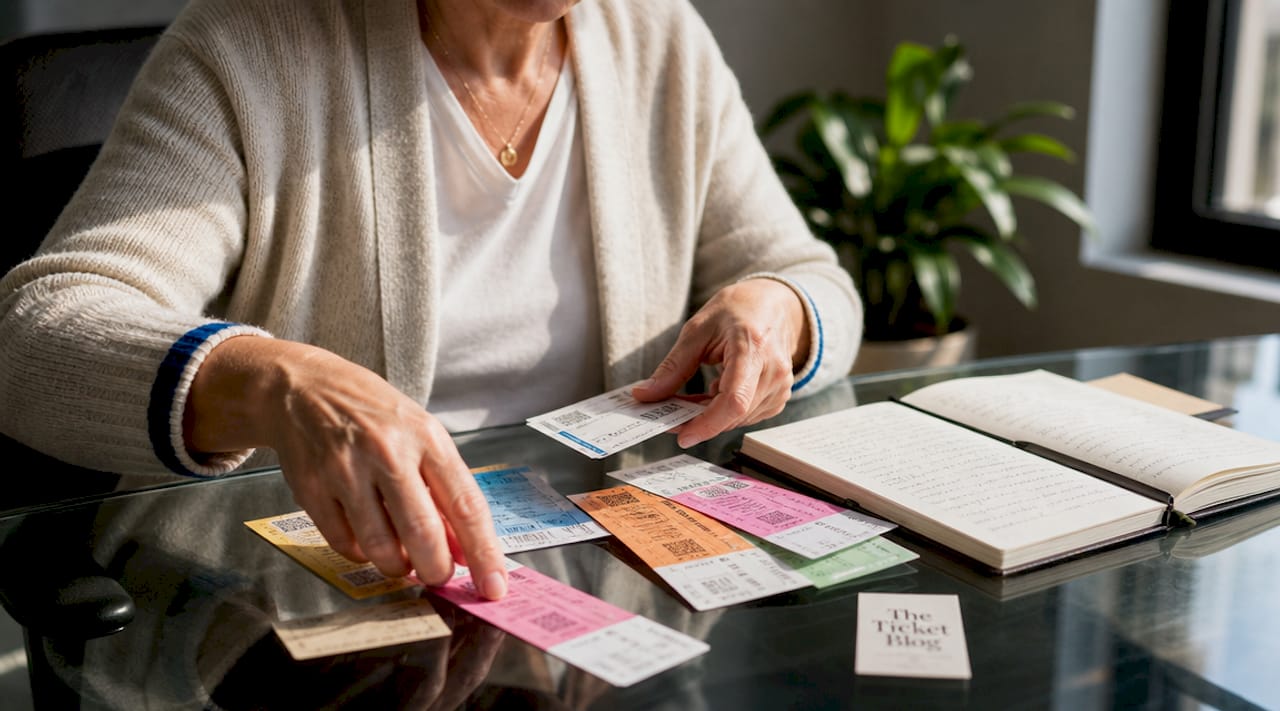
Convenience fees are fixed per-ticket charges that cover the cost of online purchasing infrastructure. Processing fees apply per order rather than per ticket, though some platforms charge both. Facility fees are set by the venue itself and passed through to the buyer. Delivery fees cover how you receive your tickets, and even electronic delivery sometimes carries a charge, which surprises most buyers who assume a PDF costs nothing to send.
Fee Type | Typical Range | Applied Per | Notes |
Service fee | 10%–37% of face value | Ticket | Largest fee; varies by platform and event |
Convenience fee | $2–$10 flat | Ticket | Covers online purchase infrastructure |
Processing fee | $1–$6 flat | Order | Sometimes eliminated post-FTC rule |
Facility fee | $1–$5 flat | Ticket | Set by venue; passed through to buyer |
Delivery fee | $0–$8 | Order | Charged even for electronic delivery on some platforms |
The cumulative effect is significant. A $60 face-value ticket can realistically cost $80 to $90 by the time you reach the final checkout screen. Understanding concert venue ticket fees in detail gives you the baseline knowledge to recognize when a discount is genuine versus cosmetic.
How has the 2025 FTC all-in pricing rule changed ticket fee transparency?
The FTC’s Rule on Unfair or Deceptive Fees, effective May 12, 2025, requires ticket sellers to display the total price including all mandatory fees from the first moment a ticket is shown. That means no more $45 ticket becoming $72 at checkout. The sticker price must reflect reality. For comparison shoppers, this is genuinely useful because you can now evaluate platforms side by side without adding items to multiple carts just to see the real number.
What the rule did not do is reduce fees. Platforms adjusted their structures to comply while protecting revenue. The key changes to understand:
Order-processing fees were dropped by some venues and platforms to appear compliant and consumer-friendly.
Per-ticket service fees were raised to compensate. Reports show platforms quietly raised service fees by $2 per ticket after dropping $6 order fees, a net gain for the platform.
Fee rebranding became common. Charges previously labeled “convenience fees” reappeared as “venue fees” or folded into an expanded service fee line.
Taxes and optional fees remain excluded from the mandatory disclosure. Insurance, shipping upgrades, and fan protection plans still appear as add-ons at checkout.
Dynamic pricing is unaffected by the rule. Face values still fluctuate based on demand, and fees scale with them.
The bottom line is that fee burden persists after all-in pricing enforcement. Buyers now see the full cost earlier, which helps comparison shopping, but the total you pay has not dropped. The rule shifted when you see the number, not what the number is.
Which ticket platforms offer the best opportunities for hidden fee discounts?
Platform choice is the single highest-leverage decision in discount ticket strategies. The difference between platforms on a $150 ticket can exceed $40 in fees, which is more than most promo codes will ever save you.
TickPick is the only major ticket marketplace that charges zero buyer fees. Its fee-free model, in place since 2011, also includes a BestPrice Guarantee and first-time order discounts. The price you see is the price you pay. For buyers who prioritize total cost over platform loyalty, TickPick consistently delivers the lowest all-in price on comparable inventory.
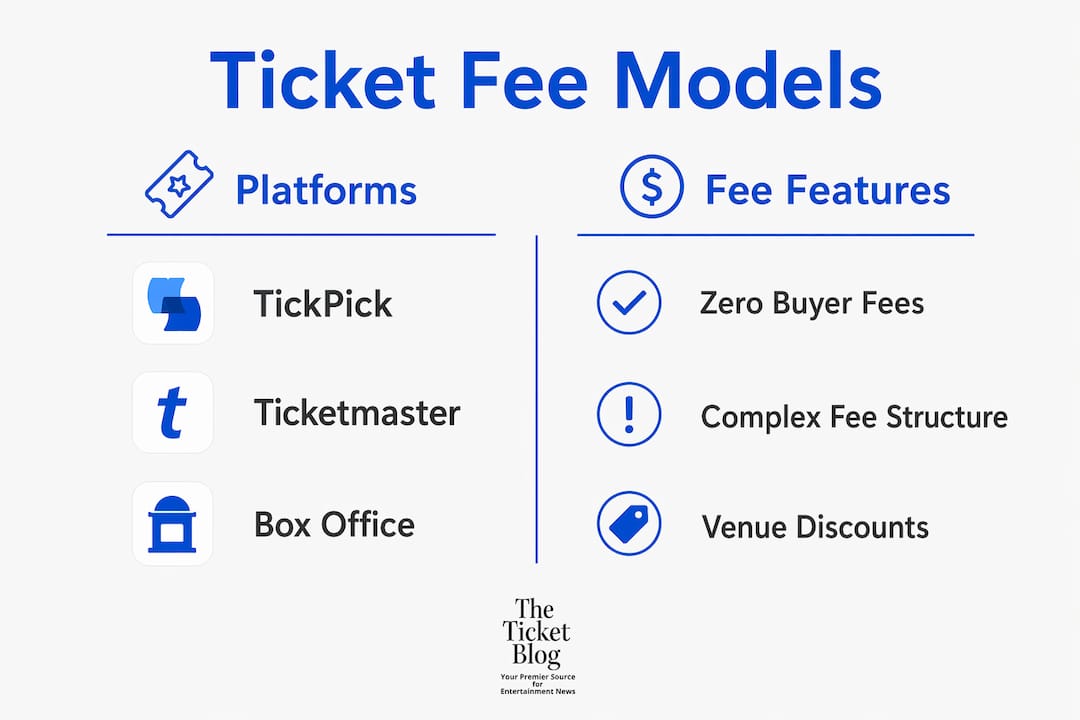
Ticketmaster operates the largest primary market inventory but carries a complex fee structure. Post-FTC adjustments shifted some fees around without reducing them. SeatGeek uses all-in pricing display by default, which is helpful for transparency, but the fees are embedded in the listed price rather than eliminated. StubHub, Vivid Seats, and Gametime each charge buyer fees in the 15% to 30% range, with Gametime occasionally offering last-minute discounts that bring effective fees down closer to 10% on day-of purchases.
Platform | Buyer Fee Model | Typical Buyer Fee | Notable Discount Option |
TickPick | Zero buyer fees | 0% | BestPrice Guarantee, first-order discount |
Ticketmaster | Service + facility fees | 15%–27% | Fan Verified Resale, Verified Fan presales |
SeatGeek | All-in pricing (fees embedded) | 10%–20% | Promo codes, Deal Score filter |
Buyer fee at checkout | 20%–30% | Occasional coupon codes | |
Gametime | All-in pricing, last-minute focus | 10%–20% | Last-minute price drops |
Box offices and venue membership programs are the most underused discount channel. Buying directly at the box office bypasses third-party service fees entirely on primary market tickets. Venue membership programs, like those offered by Live Nation’s fan club presales or arena loyalty programs, frequently include fee waivers or reduced-fee access for members. Exploring the full range of online ticketing platforms before committing to one is a habit that pays off consistently.
Pro Tip: Always check the box office option before purchasing online. For many events, walking up to the venue box office or calling ahead eliminates service fees entirely on face-value tickets.
What practical strategies help ticket buyers uncover and stack hidden discounts?
Finding hidden ticket fee discounts requires a systematic approach, not luck. The buyers who consistently pay less treat the ticket marketplace like an algorithmic system and test it accordingly.
Run checkout tests across multiple platforms. Add the same ticket to cart on at least three platforms and compare the final totals before entering payment information. Checkout testing across platforms is the most reliable method for precise fee comparison because listed prices rarely reflect the true cost.
Activate the total-price filter immediately. Most platforms offer a toggle to display prices including all fees. Turning this on the moment you enter a platform prevents the sticker-shock effect and lets you sort by actual cost.
Use incognito or private browsing for every promo code test. Incognito browsing prevents cookie-based pricing manipulations and abandoned cart tracking that can block new discounts from applying. A promo code that fails in your regular browser may work in a fresh private session.
Buy closer to the event date for last-minute price drops. Platforms like Gametime specialize in day-of pricing, and sellers on secondary markets often drop both face value and effective fees as the event approaches. The risk is inventory availability, so this works best for high-supply events.
Join fan clubs and loyalty programs before you need them. Verified Fan presales on Ticketmaster and fan club presales for artists like Taylor Swift or Beyoncé frequently offer face-value access with reduced or waived fees. The savings are structural, not promotional.
Stack promo codes with platform-specific discounts carefully. Most platforms prohibit stacking multiple promo codes, but combining a platform-wide sale with a first-time buyer code is often permitted. Read the terms before assuming codes are mutually exclusive.
Check secondary markets for fee savings on resale tickets. Some secondary market sellers price tickets below face value to move inventory quickly. The secondary ticket market has genuine bargains, particularly for events with weak demand.
Pro Tip: Never assume a lower face value means a lower total cost. A $50 ticket with 30% fees costs more than a $55 ticket with zero fees. Always calculate the all-in number before deciding.
How to tell if a discount is a genuine hidden ticket fee discount
Not every advertised discount actually reduces what you pay. Recognizing the difference between real savings and marketing framing is a skill that protects your wallet.
Genuine hidden ticket fee discounts reduce the total amount charged, not just the labeled face value. If a platform advertises “20% off tickets” but raises the service fee to compensate, the net savings are zero or negative. This is the most common form of misleading discount in the current market.
Key signals that a discount is real versus rebranded:
The all-in checkout total is lower than the same seat on a competing platform, not just the face value line.
The fee percentage or flat fee is explicitly reduced in the promo terms, not just the base price.
Zero-fee platforms like TickPick show savings by structural design, not promotional language.
Loyalty or membership discounts that waive specific fee lines (service fee waived for members) are genuine reductions.
Promo codes that apply to the total order rather than just the face value reduce your actual cost.
Misleading discount patterns to watch for include “no service fee” promotions that add a “venue fee” of equal value, face-value discounts that are offset by higher delivery or processing charges, and percentage-off offers that apply only to the base price before fees are calculated. Theater ticket pricing follows similar patterns, where promotional pricing often excludes mandatory facility fees that venues charge regardless of the discount applied.
The most reliable test is simple: calculate the total cost per ticket at checkout and compare it across platforms for identical seats. That number tells you everything the marketing language does not.
Key takeaways
Hidden ticket fee discounts are real, but finding them requires comparing all-in checkout totals across platforms rather than trusting face-value prices or promotional language.
Point | Details |
Fee types add up fast | Service, convenience, processing, and facility fees can push a $60 ticket past $90 at checkout. |
FTC rule improved visibility, not cost | All-in pricing disclosure helps comparison shopping but did not reduce total fees buyers pay. |
Platform choice matters most | TickPick’s zero buyer fees deliver structural savings that promo codes rarely match. |
Checkout testing is the best strategy | Adding tickets to cart on multiple platforms and comparing totals reveals the true best price. |
Real discounts reduce the total, not just the label | Genuine savings lower the all-in checkout number, not just the face-value line. |
The Ticket Blog’s take on navigating fee discounts in 2026
After tracking ticket pricing across dozens of events and platforms, the clearest lesson is this: buyers who focus on the sticker price lose, and buyers who focus on the checkout total win. The FTC rule was a meaningful step toward honesty in pricing, but it did not change the economics of the ticketing industry. Platforms still need revenue, and fees are how they get it.
The most durable savings come from structural choices, not promotional ones. Choosing a zero-fee platform like TickPick for the right event will save you more than any promo code you find on a deal site. Joining a fan club before an artist announces a tour costs nothing and can unlock face-value access that bypasses the secondary market entirely.
Promo codes are worth using, but they should be the last step, not the first. Verify the all-in total after applying any code. A code that saves $5 on face value while the platform charges $15 more in fees than a competitor is not a discount. It is a distraction.
Patience and flexibility with timing also matter more than most buyers realize. Last-minute pricing on platforms like Gametime regularly undercuts presale prices on high-supply events. The risk is real, but for buyers with schedule flexibility, it is a legitimate strategy. Combine platform selection, timing, loyalty programs, and checkout verification, and you will consistently pay less than the average buyer, regardless of what the marketing says.
— The Ticket Blog
Find tickets with lower fees through The Ticket Blog
The Ticket Blog exists to cut through the noise of ticket pricing and give you the tools to buy smarter at every event.
Whether you are tracking down concert tickets, sports seats, or theater productions, The Ticket Blog covers platform reviews, fee breakdowns, and promo code updates in one place. The guides on this site go beyond listing options. They explain exactly how fees work, which platforms charge the least, and how to apply discount strategies that hold up at checkout. Visit The Ticket Blog to explore the latest platform comparisons, fee guides, and exclusive promo code posts designed to help you pay less on every ticket you buy.
FAQ
What are hidden ticket fee discounts?
Hidden ticket fee discounts are savings opportunities that reduce or eliminate extra charges like service fees, convenience fees, or processing fees added to live event tickets beyond the face value. They are “hidden” because they require active research to find rather than being advertised upfront.
How do I find the best all-in ticket price?
Add the same ticket to cart on multiple platforms and compare the final checkout totals before paying. Platforms like TickPick display zero buyer fees by design, while others embed fees that only appear at the final step.
Did the FTC rule eliminate hidden ticket fees?
The FTC’s Rule on Unfair or Deceptive Fees, effective May 12, 2025, requires all mandatory fees to be shown upfront, but it did not eliminate the fees themselves. Total fees persist after enforcement, and some platforms raised per-ticket service fees to offset dropped order fees.
Does using incognito mode actually help with ticket discounts?
Yes. Using a private or incognito browser window prevents cookie-based pricing and abandoned cart tracking from interfering with promo codes. A discount that fails in a regular session may apply correctly in a fresh private window.
Which ticket platform charges the lowest fees?
TickPick is the only major marketplace with zero buyer fees, making it the lowest-fee option for comparable inventory. Other platforms charge buyer fees ranging from 10% to 30%, depending on the event and seat category.
Recommended


Comments