Standing Room Broadway Tickets Guide for Budget Fans

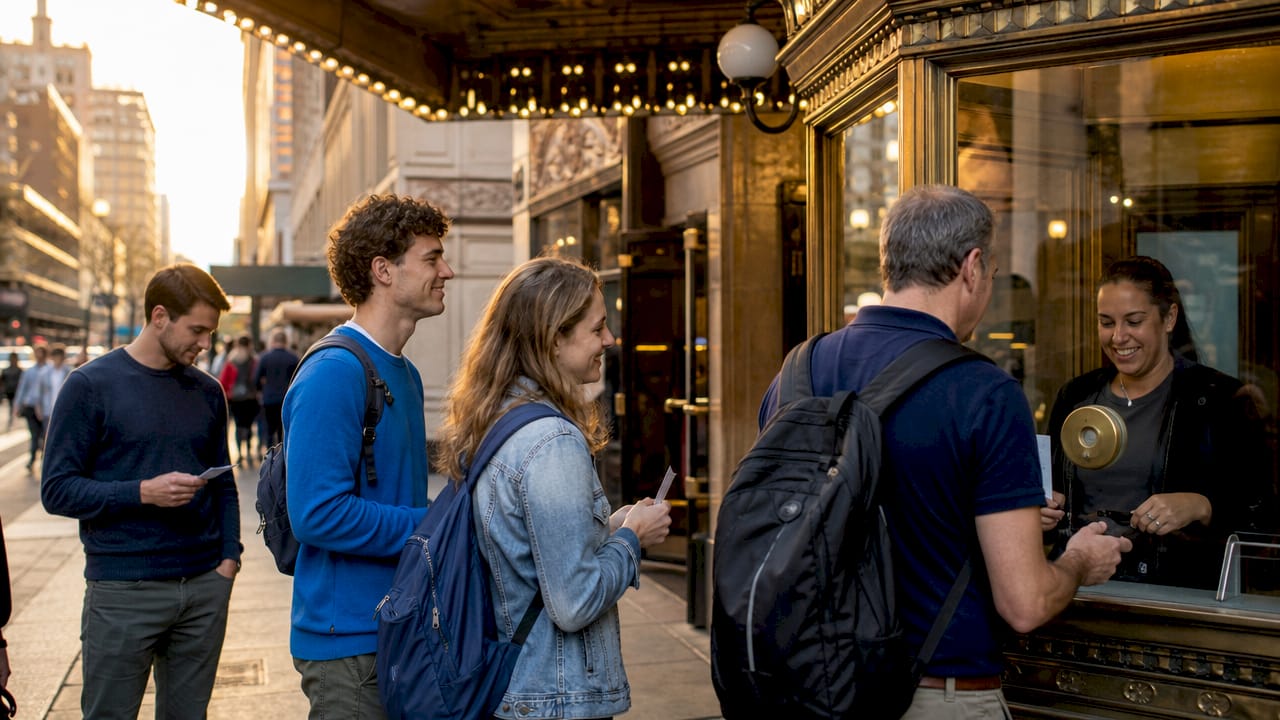
Standing room only (SRO) tickets are no-seat admissions sold at the theater box office on performance day, granting access to designated standing areas at the rear of the orchestra or mezzanine for sold-out Broadway shows. This standing room Broadway tickets guide covers everything you need to know: how SRO tickets work, how to secure them, what they cost, and how they compare to other budget options like rush tickets, lottery programs, and TKTS. For theater fans who want to see Hamilton, Wicked, or Stranger Things: The First Shadow without paying full orchestra prices, standing room tickets are one of the most direct paths to an affordable Broadway night.
How do standing room tickets work on Broadway?
SRO tickets are released only when a performance sells out, and they are sold exclusively at the theater box office on the day of the show. There is no advance purchase option, no online checkout, and no phone reservation. You show up in person, and if the show is sold out and the theater has created standing inventory for that night, you buy your ticket at the window.
The purchase process follows a strict first-come, first-served structure. Ticket limits are typically one to two per person, so arriving with a group does not guarantee everyone gets in. Buyers stand in designated zones, usually at the back of the orchestra level, for the full duration of the performance.
Pricing is the main draw. SRO tickets typically cost between $25 and $50, compared to orchestra seats that regularly exceed $100 at face value. That gap is significant enough to make standing room a genuine strategy rather than a last resort.
One important detail: not every sold-out show offers standing room tickets every night. Theaters create SRO inventory based on daily operational decisions, so availability is never guaranteed even when a performance is completely sold out. This unpredictability is the central challenge of the SRO approach.
Pro Tip: Check the show’s official website or call the box office the morning of your desired performance to confirm whether SRO tickets are being offered that day before you commit to waiting in line.
Here is a quick summary of how the SRO process works:
Confirm the performance is sold out before heading to the theater.
Arrive at the box office well before it opens, sometimes hours early for popular shows.
Purchase your ticket in person with cash or card and a valid photo ID.
Proceed to the designated standing area at the rear of the orchestra or mezzanine.
Stand for the full show, which typically runs two and a half to three hours.
Steps and tips to maximize your chances of getting SRO tickets
Securing cheap standing room tickets on Broadway requires preparation, not luck. The single most important factor is timing. For high-demand productions like Hamilton or Wicked, dedicated fans begin lining up at the box office as early as 6 to 8 a.m., even though most box offices do not open until 10 a.m. on weekdays or noon on Sundays. That is a two to four hour wait before the window even opens.
Follow these steps to give yourself the best shot:
Verify the show is sold out. Check the production’s official website or a trusted ticketing platform the night before or morning of the performance. SRO tickets only exist when the house is full.
Arrive early. For blockbuster shows, plan to arrive two to three hours before box office opening. For less in-demand productions, one hour may be sufficient.
Bring the right payment and ID. Most Broadway box offices accept both cash and credit cards, but confirm in advance. A valid government-issued photo ID is standard.
Know the ticket limit. Purchase limits are typically one to two tickets per person. If you are attending with a friend, both of you need to be present in line.
Check theater-specific policies. Each Broadway house sets its own SRO rules. The Richard Rodgers Theatre, the Gershwin Theatre, and the St. James Theatre all have distinct policies. Consult the official show website or Playbill for accurate details.
Dress for standing. Wear comfortable, cushioned shoes. Bring a light layer since theater temperatures vary. Leave large bags at home.
Pro Tip: Combining SRO attempts with lottery entries and TKTS visits on the same day spreads your risk. If you do not get SRO tickets, you may still land a discounted seat through another channel.
The box office opening time is the critical moment. Being fifth in line versus fifteenth can determine whether you get a ticket or go home empty-handed.
How do standing room tickets compare to other budget Broadway options?
Understanding where SRO fits among Broadway ticket tips requires a clear look at the alternatives. Rush tickets, lottery programs, and TKTS discounts each serve budget-conscious theatergoers differently.
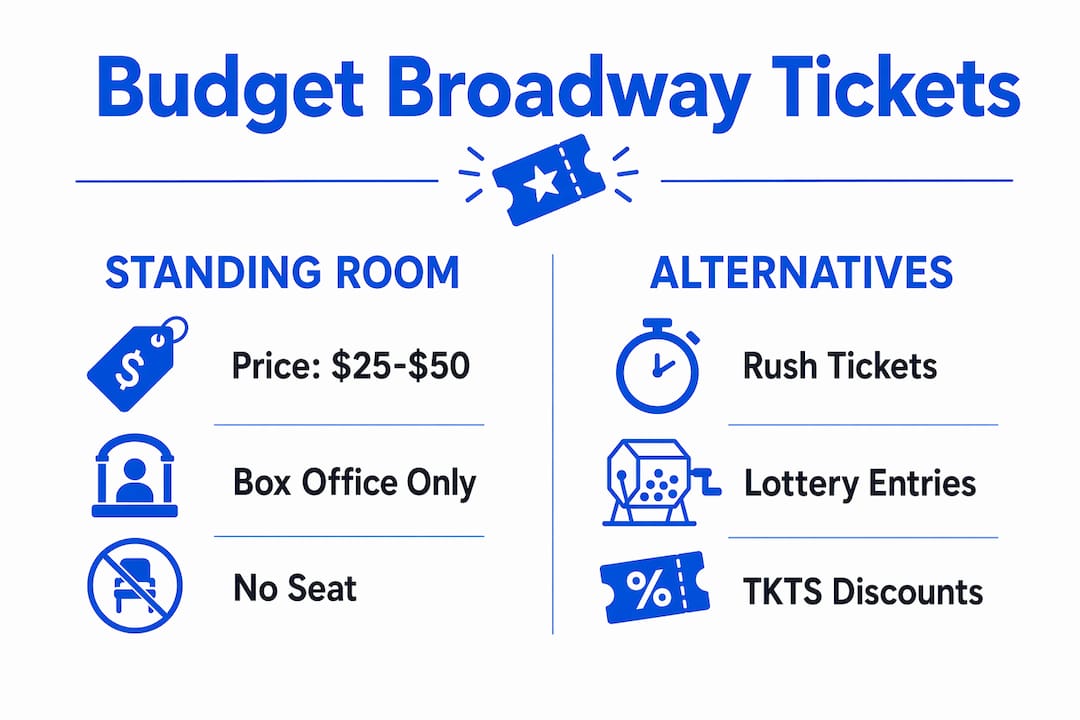
Ticket type | Price range | Purchase method | Seating | Availability |
Standing room (SRO) | $25 to $50 | Box office, day of show | Standing only | Sold-out shows only |
Rush tickets | $30 to $50 | Box office or app, day of show | Seated | Select shows |
Lottery tickets | $30 to $50 | App or in-person draw | Seated | Select shows |
TKTS booth | 10% to 50% off face value | TKTS booth, day of show | Seated | Broad selection |
Playbill’s Broadway ticket guide notes that TKTS discounts range from 10% to 50% off face value, with a $7 service fee added per ticket. That means a $100 orchestra seat could drop to $57 after fees, which is still more expensive than most SRO options. However, TKTS guarantees you a seat, which is a meaningful comfort advantage over standing for three hours.
Rush and lottery tickets offer seated access at prices comparable to SRO, but they come with their own constraints. Rush tickets require arriving early at the box office, similar to SRO. Lottery programs through apps like TodayTix or official show lotteries are more convenient but rely on random selection. You could enter every day for a week and never win.
The key distinctions for your decision:
SRO is the cheapest option but demands physical endurance and early arrival.
Rush tickets offer seats at similar prices but are not available for every show.
Lottery tickets require the least physical effort but offer no guaranteed outcome.
TKTS provides the widest show selection and guaranteed seating but at a higher price point.
The smartest approach, especially for sold-out hits, is to pursue multiple channels simultaneously. Enter the lottery the night before, plan an early box office arrival for SRO or rush, and check TKTS as a fallback. This layered strategy, covered in depth in The Ticket Blog’s secondary ticket market guide, gives you the best overall odds of attending affordably.
What to expect from the standing room experience
The standing room experience on Broadway is genuinely different from sitting in the orchestra, and knowing what to expect makes it far more enjoyable. Standing areas are positioned at the rear of the orchestra level in most theaters, which means you have a full view of the stage without any obstructed sightlines from columns or balcony overhangs.
Sightline quality varies by theater layout. Some venues offer rail support or a ledge to lean against, which makes a significant difference during a two and a half hour show. Others provide an open standing area with no support structure. Checking the specific theater’s layout before you go helps set realistic expectations.
Preparation is the difference between a great night and a miserable one. Here is what experienced SRO attendees bring:
Cushioned, broken-in shoes. New sneakers are a mistake you will feel by intermission.
A small water bottle. Staying hydrated over three hours of standing matters more than most people expect.
Minimal belongings. A small bag or backpack keeps you comfortable and considerate of the people standing near you.
A light jacket or layer. Broadway theaters tend to run cold, especially in the orchestra.
SRO patrons are expected to remain in their assigned standing zones for the full performance. Sitting on the floor is not permitted, and blocking the sightlines of other standing patrons is a serious etiquette violation. The standing area develops its own community atmosphere. The people around you chose the same trade-off you did, and there is a shared energy in that section that seated audiences rarely experience.
Pro Tip: Arrive at your standing spot early after the doors open to claim a position with a clear center-stage view. The best spots in the standing area go quickly once the house opens.
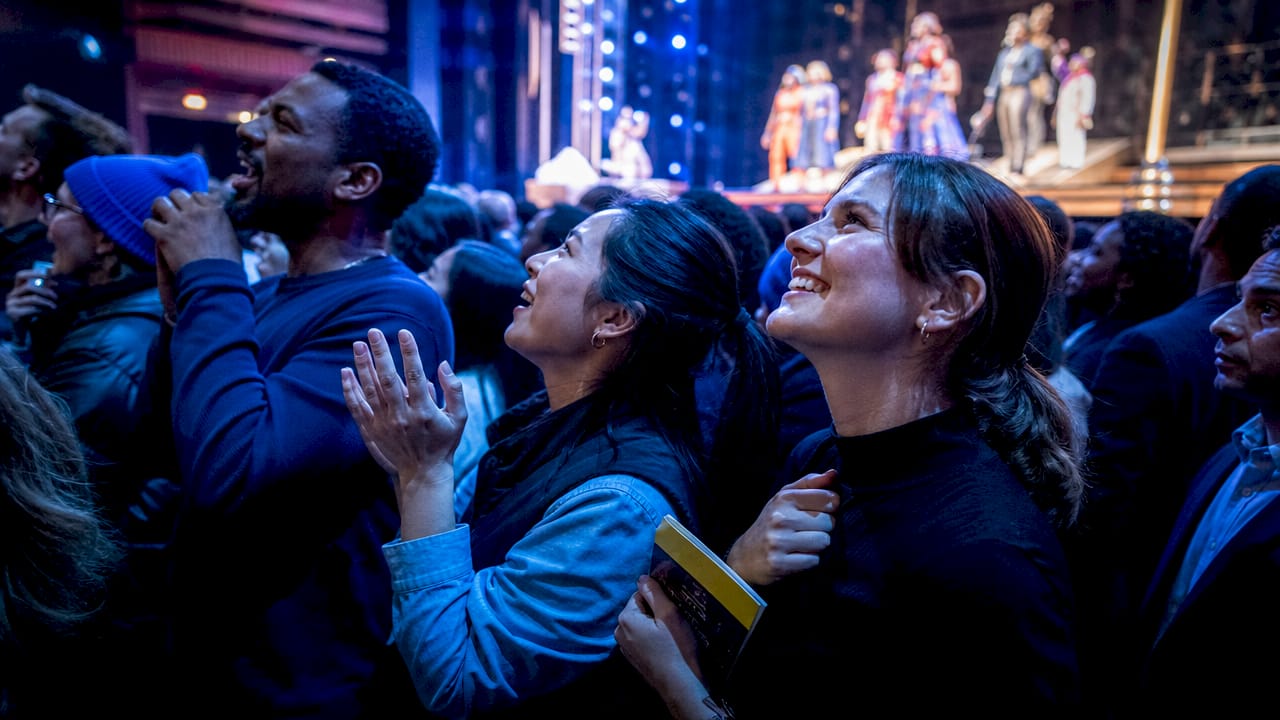
If you are curious about what a specific production looks like from the standing area, The Ticket Blog’s review of Stranger Things: The First Shadow includes perspective on the viewing experience from different parts of the house.
Key takeaways - Standing Room Broadway Tickets Guide
Standing room only tickets are the most affordable way to access sold-out Broadway shows, but success depends entirely on preparation, early arrival, and physical readiness.
Point | Details |
SRO tickets cost $25 to $50 | Prices are significantly lower than standard orchestra seats, which regularly exceed $100. |
Same-day box office only | No online or advance purchase exists; you must appear in person on performance day. |
Availability is not guaranteed | Even sold-out shows may not offer SRO tickets every night, so confirm before you queue. |
Early arrival is non-negotiable | For hit shows, fans line up two to four hours before box office opening to secure tickets. |
Combine with other discount options | Pairing SRO attempts with lottery entries and TKTS visits maximizes your chances of attending affordably. |
Why standing room tickets are worth the trade-off
From The Ticket Blog’s perspective, standing room tickets are one of the most underused tools in a theater fan’s playbook. The discomfort conversation gets overblown. Yes, you are standing for two to three hours. But you are also watching a world-class production from inside a Broadway house for $30, which is less than most people spend on dinner before the show.
The real barrier is not physical. It is psychological. Most theatergoers assume that a premium experience requires a premium seat. That assumption costs them hundreds of dollars per show. The standing area at the back of the orchestra at a theater like the Richard Rodgers or the Majestic offers a clear, unobstructed view of the full stage. You hear the same orchestra, see the same performances, and share the same room as every other audience member.
What The Ticket Blog has observed consistently is that the SRO section attracts the most passionate fans in the building. These are people who planned their day around getting that ticket. That energy is contagious, and it adds something to the experience that a $300 orchestra seat rarely delivers.
The one honest caveat: SRO is not the right choice for everyone. If you have mobility concerns, back problems, or are attending with young children, the standing requirement is a genuine obstacle. In those cases, lottery tickets or TKTS are better fits. But for healthy adults who want to see a sold-out hit without paying face value, standing room is not a compromise. It is a strategy.
— The Ticket Blog
Find your next Broadway ticket deal at The Ticket Blog

The Ticket Blog tracks Broadway ticket availability, including same-day SRO releases, rush programs, and lottery openings, so you spend less time searching and more time planning your night out. Whether you are targeting a specific show or looking for the best available deal this week, the site provides current pricing, availability updates, and expert guidance on navigating both primary and secondary markets. Visit The Ticket Blog for the latest Broadway ticket deals, or explore the full breakdown of Hamilton tour dates and standing room options across 2026 productions.
FAQ
What is standing room on Broadway?
Standing room on Broadway refers to no-seat admissions sold at the box office on performance day for sold-out shows. Ticket holders stand in designated areas at the rear of the orchestra or mezzanine for the full performance.
How much do standing room only tickets cost on Broadway?
SRO tickets typically cost between $25 and $50, making them the most affordable way to attend a sold-out Broadway production compared to standard orchestra seats.
Can you buy standing room Broadway tickets online?
No. Standing room tickets are sold exclusively at the theater box office in person on the day of the performance. There is no online purchase option or advance reservation.
How early should you arrive for standing room tickets?
For high-demand shows, arriving two to four hours before box office opening is standard. For less competitive productions, one hour before opening is often sufficient.
Are standing room tickets available for every Broadway show?
No. SRO tickets are only created when a performance sells out, and even then, not every theater offers them every night. Availability depends on the specific show and theater policy.
Recommended


Comments