2026 Buffalo Sabres Season Guide Key Players Traditions and Fan Experience

The Buffalo Sabres have never been a quiet hockey story. This is a franchise built on elite skill, near misses, famous heartbreak, loud winter nights, and a fan base that still treats a regular-season win in Buffalo like it means something.
The 2026 Sabres season carries that full weight. It is about the standings, of course, but it is also about whether a young core can turn promise into pressure hockey. It is about Rasmus Dahlin driving play from the blue line, Tage Thompson changing a game with one shot, and a crowd at KeyBank Center waiting for the next chapter to feel as real as the old ones.
For new fans, the Sabres are a perfect team to learn through. Their history has clear eras, unforgettable names, and traditions that explain why Buffalo hockey still feels personal. For long-time supporters, 2026 is another test of patience, belief, and the hope that the next great Sabres moment is not far away.
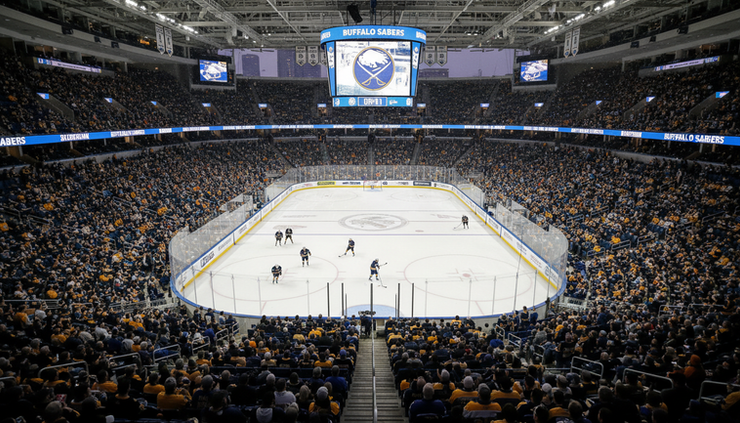
The 2026 Sabres season starts with a familiar question
The main question around Buffalo is simple: can the Sabres turn talent into consistency?
That has been the challenge through much of the team’s modern rebuild. The roster has featured high-end skill, mobile defensemen, and young forwards who can produce in flashes. The next step is harder. It demands cleaner starts, tighter defensive habits, better special teams, and more wins against teams that play heavy, low-event hockey.
The most useful place to track the season in real time is the official Buffalo Sabres stats page. It gives a clean view of goals, assists, ice time, power-play production, and goaltending numbers. For more historical context, Hockey Reference’s Sabres franchise page is one of the best public tools for comparing seasons across eras.
The 2026 season should be judged in a few practical ways:
Point pace
Are the Sabres staying in the playoff race deep into the season, or chasing too much ground by winter?
Goal differential
A team can get lucky in short stretches, but goal differential often shows whether the results match the play.
Home record
Buffalo needs KeyBank Center to feel like an advantage, not just a gathering place for loyal fans.
Special teams
The power play must punish mistakes. The penalty kill must stop draining momentum.
One-goal games
Young teams often learn hard lessons here. Mature teams protect third-period leads and steal points on off nights.
The Sabres do not need to become a perfect team to make 2026 meaningful. They need to become a dependable one. That means fewer long losing streaks, more calm after bad goals, and a clear identity that survives injuries and schedule pressure.
Key players who can shape Buffalo’s year
A Sabres season guide starts with the players who can tilt the ice. Buffalo’s core is built around high-skill pieces, and the best version of this team comes when its stars dictate pace instead of reacting to it.
Rasmus Dahlin remains the engine
Rasmus Dahlin is the kind of defenseman every modern NHL team wants. He can skate the puck out of danger, run a power play, join the rush, and play major minutes against top competition.
His value is not only in points. It is in control. When Dahlin is sharp, Buffalo exits the defensive zone faster and spends less time scrambling. He helps the Sabres turn pressure into possession.
The best statistical lens for Dahlin goes beyond goals and assists. Watch his time on ice, power-play role, shot attempts, and how often Buffalo creates offense when he is on the ice. The NHL player stats database is useful for tracking those numbers as the season unfolds.
Tage Thompson gives Buffalo its matchup problem
Tage Thompson brings rare size and shooting skill. At his best, he changes how opponents defend. They have to respect his release from distance, but they also cannot give him room through the middle of the ice.
For Buffalo, the key is getting Thompson touches in dangerous areas rather than forcing him to create every chance from the outside. His line needs speed, puck retrieval, and enough defensive trust to earn offensive-zone starts without becoming one-dimensional.
When Thompson is scoring, the Sabres look dangerous. When he is also winning battles and creating space for linemates, they look like a team that can scare anyone.
Owen Power and the second wave matter
Owen Power’s development is central to Buffalo’s ceiling. The Sabres need more than one elite defenseman driving play. Power gives them size, skating, and calm puck movement from the back end.
His progress affects matchups. If Power can handle tougher minutes, Buffalo can avoid overloading Dahlin. That balance matters across an 82-game season, especially during back-to-backs and long road swings.
Young forwards such as Dylan Cozens, JJ Peterka, and other emerging pieces also shape the season’s depth. Buffalo cannot rely only on its headline names. Playoff-level teams get scoring from second and third lines, not just the top unit.
Goaltending can change the season fast
Every Sabres plan depends on saves at the right time. Ukko-Pekka Luukkonen and Devon Levi have represented two major names in Buffalo’s recent goaltending picture, though final roles can shift with form, health, and roster decisions.
The numbers to watch are save percentage, goals saved above expected where available, quality starts, and workload. Public sites such as Natural Stat Trick can help fans look beyond basic box scores, especially for shot quality and five-on-five play.
Buffalo does not need superhuman goaltending every night. It needs reliable goaltending often enough to let the rest of the roster grow.

Strategy will decide whether skill becomes wins
The Sabres’ game works best when speed comes with structure. Buffalo has enough skill to create chances off the rush, but the NHL punishes teams that trade chances without defensive control.
Buffalo needs cleaner exits
A clean breakout is the first step in almost everything Buffalo wants to do. Dahlin and Power can make the first pass, but forwards must support low in the zone. If the wingers fly too early, defensemen face pressure with no safe outlet. If the center is late, the team gets trapped below the circles.
Good exits lead to controlled entries. Controlled entries lead to more dangerous shots. Dump-ins still matter, especially against tight neutral-zone teams, but the Sabres are at their best when they enter with possession and force defenders to back in.
The power play has to move, not stand
Buffalo’s power play has the tools to be dangerous. The challenge is movement.
A static power play is easy to read. A good one changes the angle of attack. Thompson’s shot matters more when penalty killers must also respect a seam pass, a bumper play, or Dahlin walking the blue line to open a lane.
The Sabres should aim for variety:
Quick puck movement
Net-front traffic
Rotating flank options
Low plays behind the net
Forces penalty killers to rotate and lose shape
Turns point shots into rebounds and screens
Stops opponents from overplaying one shooter
Pulls defenders below the dots and opens the slot
Team defense is the playoff separator
Scoring highlights get attention, but defensive details decide whether a team plays meaningful games late.
The Sabres need tight gaps from defensemen, committed backchecking from forwards, and better protection inside the dots. Opponents will gladly take perimeter shots if Buffalo clears rebounds and blocks passing lanes. The danger comes when coverage breaks down in the slot.
This is where coaching matters. Line matching, defensive-zone faceoff deployment, and late-game bench management can turn close games. A team with young talent becomes far more dangerous when it learns how to win 3-2 instead of always needing five goals.
Sabres traditions give the season deeper meaning
The Sabres entered the NHL in 1970, the same expansion year that brought the Vancouver Canucks into the league. Buffalo quickly built a hockey identity around skill, grit, and a bond with fans who packed the old Memorial Auditorium.
The franchise’s official history is a good starting point for the broad timeline, while the NHL records site for the Buffalo Sabres helps place individual achievements in context.
The French Connection still defines Buffalo hockey
No Sabres tradition is more famous than the French Connection line of Gilbert Perreault, Rick Martin, and Rene Robert. The trio gave Buffalo its first great hockey identity in the 1970s. Perreault’s skating and creativity, Martin’s scoring touch, and Robert’s all-around skill made them one of the NHL’s signature lines.
For long-time fans, the French Connection is not just history. It is the standard for what Buffalo hockey can feel like when talent and chemistry meet.
The 1975 Stanley Cup Final became legend
The Sabres reached the Stanley Cup Final in 1975 against the Philadelphia Flyers. Game 3 in Buffalo became known as the Fog Game because warm arena conditions created fog over the ice. A bat also famously appeared during the game, adding to one of the strangest scenes in NHL playoff history.
Buffalo did not win the Cup that year, but the series remains a core franchise milestone. It showed that Buffalo could become a major hockey city, not just a new NHL market.
The Hasek years brought world-class goaltending
Dominik Hasek gave Buffalo one of the greatest goaltending runs the sport has seen. His style looked chaotic, but his results were elite. Hasek carried the Sabres through the 1990s with reflexes, flexibility, and competitive fire that made every game feel winnable.
The 1999 Stanley Cup Final remains painful for Sabres fans because of Brett Hull’s series-winning goal for Dallas, still remembered in Buffalo as “No Goal.” The debate belongs to hockey history now, but the emotion has never really left.
Other milestones still echo
Buffalo history also includes Alexander Mogilny’s 76-goal season in 1992-93, Pat LaFontaine’s brilliant offensive peak, Ryan Miller’s steady excellence, and memorable playoff battles through the 2000s.
Those names matter in 2026 because they remind fans what high-end Sabres hockey looks like. The current group is not chasing nostalgia. It is trying to give a new generation its own reference points.

Game night in Buffalo is part ritual and part release
A Sabres game is not only the 60 minutes on the ice. It is the cold walk toward the arena, the gold sweaters in the concourse, the sound of skates during warmups, and the mix of hope and nerves after the first big save.
KeyBank Center sits near Buffalo’s waterfront, which gives home games a distinct winter feel. Fans coming from across Western New York and Southern Ontario often build a night around the game, with food, family routines, and old habits that survive roster changes.
For planning, the official Sabres schedule is the best source for dates, start times, and broadcast details. The KeyBank Center event page can help with arena policies and event updates.
What new fans should watch during a game
Hockey becomes easier to follow when the puck is not the only focus. Try watching these details:
The first pass after a defensive-zone recovery
A clean first pass usually means the team is organized.
The weak-side winger
This player often decides whether a rush becomes dangerous.
Line changes
Smart changes prevent tired players from getting trapped.
Net-front battles
Many goals come from screens, tips, and rebounds, not perfect shots.
Dahlin’s positioning
Watch when he joins the rush and when he stays back. That choice shapes Buffalo’s risk level.
What long-time fans will recognize
Long-time supporters can often sense the game before the box score confirms it. They know when the building gets tense after a failed clear. They know the lift that comes from an early forecheck shift. They know how quickly a Sabres crowd can go from restless to roaring.
The best 2026 home nights will likely share a pattern: pace early, pressure from the top players, a timely save, and enough defensive detail to keep the crowd engaged rather than anxious.
How to follow the 2026 Sabres with better context
Following a season well means knowing where to look after the final horn. The standings tell part of the story, but deeper context helps explain why a team is rising or slipping.
Use these sources throughout the year:
Resource | Best use |
Roster news, schedule, team stories, video | |
Leaguewide player and team numbers | |
Historical comparisons and franchise records | |
Shot attempts, expected goals, five-on-five trends | |
Franchise milestones and all-time leaders | |
Background on great players and league history |
The best habit is to pair the eye test with numbers. If the Sabres look fast but keep losing, check shot quality and special teams. If they win several close games, check whether goaltending carried them or the team controlled play. If a line looks quiet, see whether it is still creating chances without finishing.
That mix makes the season more interesting. It also makes the highs feel earned and the lows easier to understand.

The takeaway for Buffalo’s 2026 season
The 2026 Buffalo Sabres season is about proof. The franchise has history, passion, and a fan base that has waited through enough false starts to know the difference between promise and progress.
The path is clear. Dahlin must drive play. Thompson must remain a true scoring threat. Power and the young core must keep growing. The goalies must provide steadiness. The team structure must hold when games get tight.
If those pieces come together, Buffalo will not just be watching another development year. It will be watching a team with a real identity and a real chance to make the city feel like a playoff hockey town again.
For a franchise shaped by the French Connection, the Fog Game, Hasek, “No Goal,” and years of loyal belief, that would mean more than a good record. It would feel like the next chapter finally starting to write itself.


Comments