How Sports Fan Packages Are Priced: 2026 Guide

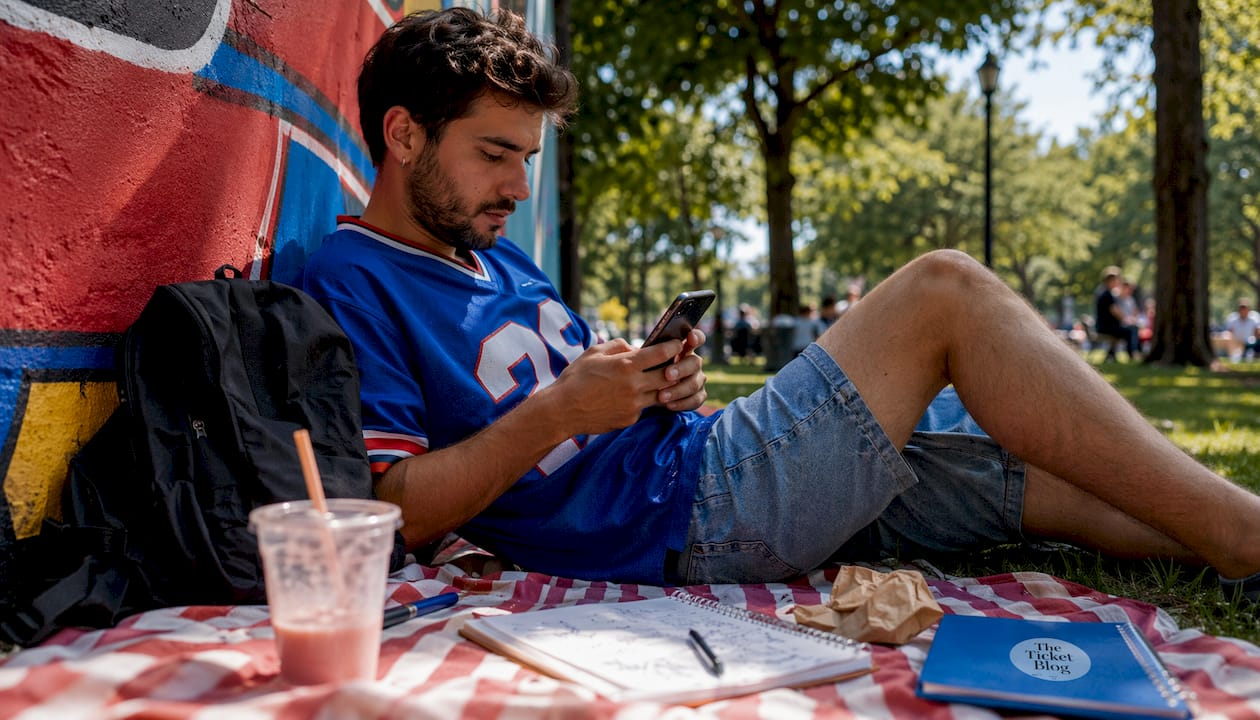
Sports fan packages are defined as bundled offerings that combine tickets, hospitality, and add-on amenities into a single purchase, priced using layered models that reflect demand, seat location, and experience tier. Understanding how sports fan packages are priced means looking beyond the face value of a ticket. The total cost of sports fan packages includes dynamic pricing adjustments, premium hospitality fees, parking, concessions, and secondary market resale markups. Pricing layers like tiered seating, bundled hospitality, and exclusive fan experiences create structures far more complex than a single ticket price. Fans who understand these components make smarter decisions about where to spend and where to save.
How sports fan packages are priced: the core structure
Sports fan package pricing starts with a base ticket price set by the event organizer. That base price reflects seat location, event prestige, and expected demand. From there, organizers layer on additional costs that push the total well above face value.
The key pricing components are:
Base ticket price: Set by the team or organizer, often tiered by seating zone (lower bowl, upper deck, field level).
Dynamic pricing adjustments: Prices shift in real time based on demand. Variable pricing began about 25 years ago with factors like opponent popularity and game timing, and has since evolved into full algorithm-driven pricing.
Add-on fees: Parking, concessions credits, merchandise bundles, and travel packages each carry their own price tag.
Hospitality upgrades: Club access, suite seating, and all-inclusive food and beverage options sit at the top of the pricing ladder.
Secondary market resale: When primary tickets sell out, resale platforms price seats based on real-time demand, often well above face value.
Primary market tickets are often intentionally underpriced to ensure broad access and fast sellouts. Real price discovery then happens in the secondary market, where resale prices reflect what fans are actually willing to pay. This is why the same seat can cost $80 on the day of initial sale and $300 two weeks later.
Pro Tip: Check the primary market release date for any major event and set a purchase alert. Buying at face value during the initial sale window is almost always cheaper than any resale option.
What factors determine the price of sports fan packages?
Several forces push fan package costs up or down, and knowing them helps you read a price tag accurately.
Demand and scarcity are the dominant drivers. Economists confirm that high ticket prices reflect demand exceeding supply, and that lower price caps simply shift excess demand to the resale market at even higher prices. Marquee events like playoff games, championship finals, and World Cup matches see the sharpest price spikes because the supply of seats is fixed while demand is not.
Event prestige and timing also move prices significantly. A regular-season NBA game prices differently than a conference final. Weekend games typically cost more than weekday games. Holiday matchups carry a premium because more fans are available to attend.
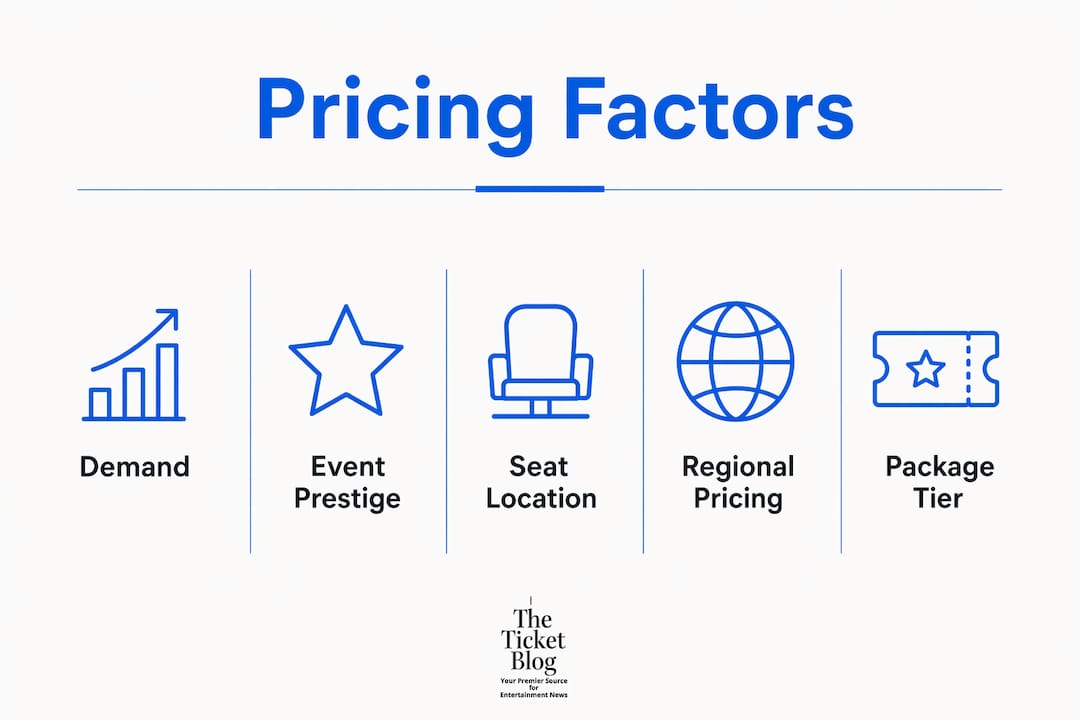
Seat location creates tiered pricing within a single event. Lower bowl seats near center court or midfield command the highest base prices. Upper-level seats offer the lowest entry point. Premium zones like club seats and field-level access sit between those extremes but include amenities that justify the gap.
Regional pricing variations matter too. Events held in large metro markets with high local fan bases, like New York, Los Angeles, or Chicago, tend to price higher than events in smaller markets. International events add currency exchange and travel cost layers that compound the total spend.
Pro Tip: Use a secondary market guide to track price trends before buying. Resale prices for most events drop in the 48 hours before game time as sellers lower asks to avoid holding unsold tickets.
How premium and hospitality packages affect overall costs
Premium packages represent the fastest-growing segment of sports fan package pricing. They exist because a portion of fans prioritize experience and exclusivity over cost, and organizers have built entire pricing tiers around that willingness to pay.

Premium sports hospitality packages range from $600 to over $35,000 per person depending on the event and level of access. That range is not arbitrary. It reflects a structured ladder of inclusions.
Package tier | Typical price range | Key inclusions |
Entry-level premium | $600–$1,500 per person | Club seat, food and beverage credit, priority entry |
Mid-tier hospitality | $1,500–$5,000 per person | Suite access, catered dining, exclusive lounge |
Ultra-luxury experience | $5,000–$35,000+ per person | Pitch access, athlete meet-and-greet, travel and hotel |
Some World Cup hospitality packages include being on the pitch or meeting sports stars, which pushes prices past $35,000 per person. Super Bowl travel packages regularly exceed $10,000 per person when airfare, hotels, and premium upgrades are bundled together. These figures reflect the upper end of what the market will bear for once-in-a-lifetime access.
The value proposition for premium packages is convenience and exclusivity, not just a better seat. All-inclusive food and beverage removes the hassle of concession lines. Private lounges separate premium buyers from general admission crowds. For fans who attend only one or two major events per year, the premium experience can justify the cost. For fans attending multiple events per season, the math rarely works out in their favor.
Pro Tip: If a premium package lists “hospitality included” without specifying what that covers, ask for an itemized breakdown before purchasing. Vague inclusions often mean limited food credits rather than full all-inclusive access.
How at-home sports viewing packages are priced
Not every fan attends events in person. At-home sports packages offer a separate pricing structure built around streaming subscriptions and cable add-ons, and the cost of sports fan packages in this category has grown steadily.
Specialized sports streaming add-ons typically fall in a defined range:
Entry-level sports add-ons: Packages like the DIRECTV Sports Pack cost around $14.99 per month, covering regional and specialty sports channels.
Mid-tier streaming bundles: YouTube TV’s sports tier runs $54.99 to $64.99 per month depending on customer status, bundling live local channels with sports networks.
Streaming add-ons broadly: Most sports-specific streaming add-ons range from $10 to $25 per month depending on provider and region.
Premium league packages: League-specific packages (like out-of-market game access) carry separate annual fees that can reach several hundred dollars per season.
The Fan Cost Index across NFL teams shows that deeply engaged fans who combine streaming, travel, tickets, and concessions can spend up to $4,200 per season following one team. That figure puts at-home streaming costs in perspective. A $15 monthly sports add-on is a fraction of total fan spend, but it adds up to $180 per year before any live attendance costs.
The practical difference between at-home and live packages is control. Streaming packages offer monthly flexibility and cancellation options. Live event packages lock in costs upfront, often with no refund policy. Fans who attend fewer than three live events per year typically spend less overall by combining a mid-tier streaming bundle with selective live ticket purchases.
Strategies fans can use to get the best value
Getting the best value from sports package pricing options requires timing, research, and a clear sense of your own priorities. These steps give you a repeatable process.
Buy early on the primary market. Primary market tickets are often priced below true market value to drive fast sellouts. Buying during the initial sale window is the single most reliable way to pay less than resale price.
Track price trends on the resale market. Resale prices fluctuate based on team performance, weather, and competing local events. Prices for most non-playoff games drop in the final 48 hours before tip-off or kickoff.
Look for ticket markdowns and flash sales. Teams and authorized sellers run promotional pricing on slow-selling games. These discounts rarely appear on the primary listing page but show up through email alerts and fan club memberships.
Separate must-have inclusions from nice-to-haves. A parking pass bundled into a fan package adds cost even if you plan to use public transit. Identify which add-ons you will actually use before paying for a bundle.
Factor in total spend, not just ticket price. Total fan expenditure includes concessions, merchandise, transportation, and lodging for away games. A $150 ticket can become a $400 day trip once all costs are counted.
Use bundle guides to evaluate package deals. Some multi-game bundles offer per-game savings of 15–30% compared to single-game face value, especially for season-ticket partial plans.
Pro Tip: Set a total budget for the event before you start shopping, including travel and food. Knowing your ceiling prevents you from rationalizing premium upgrades that push you past what you planned to spend.
Key takeaways
Sports fan package pricing combines base ticket costs, dynamic demand adjustments, and add-on fees into layered structures that require fans to evaluate total spend rather than face value alone.
Point | Details |
Primary market underpricing | Initial tickets are often set below market value; buy early to capture that discount. |
Dynamic pricing is standard | Prices adjust in real time based on demand, meaning the same seat costs more as the event approaches. |
Premium packages scale sharply | Hospitality packages range from $600 to over $35,000 per person based on inclusions and exclusivity. |
At-home packages are affordable | Sports streaming add-ons range from $10 to $65 per month, far below live attendance costs. |
Total spend matters most | NFL fans can spend up to $4,200 per season when all costs are combined, not just ticket price. |
The pricing shift fans need to understand
The Ticket Blog has tracked sports fan package pricing closely, and the clearest trend of the past several years is this: sports organizations have moved away from civic-minded pricing and toward data-driven revenue optimization. That shift is not going to reverse.
What that means practically is that the era of predictable, fixed ticket prices is over. Dynamic pricing mirrors airline and hotel models, creating real-time adjustments that maximize organizer revenue at every demand level. Fans who treat ticket shopping the way they treat flight booking, checking prices repeatedly and buying at the right moment, consistently pay less than fans who assume prices are static.
The secondary market is not the enemy here. It is simply where real price discovery happens when primary allocations run out. Understanding that dynamic, rather than resenting it, is what separates fans who find good deals from fans who overpay every time. The complexity of modern fan package pricing is real, but it is also navigable with the right information.
— The Ticket Blog
The Ticket Blog: your resource for smarter ticket decisions
Knowing how fan experience pricing strategies work is only half the equation. The other half is knowing where to find the deals, discounts, and timing windows that make those strategies pay off.
The Ticket Blog publishes detailed guides on sports ticket pricing options, secondary market navigation, promo codes, and flash sale alerts across NFL, NBA, MLB, NHL, and major international events. Whether you are budgeting for a single playoff game or planning a full season of attendance, the guides on The Ticket Blog give you the specific information you need to spend less and experience more. Visit The Ticket Blog to find current deals and pricing breakdowns updated for 2026.
FAQ
How are sports fan packages priced?
Sports fan packages are priced using a combination of base ticket costs, tiered seating, dynamic demand-based adjustments, and add-on fees for hospitality, parking, and concessions. The total cost reflects both primary market face value and secondary market resale dynamics.
How much do premium sports hospitality packages cost?
Premium sports hospitality packages range from $600 to over $35,000 per person depending on the event and level of access, with ultra-luxury options including pitch access and athlete meet-and-greets at the top of that range.
What is dynamic pricing in sports tickets?
Dynamic pricing is a model where ticket prices adjust in real time based on demand, opponent popularity, and time remaining before the event. It mirrors airline pricing and means the same seat can cost significantly more as the event date approaches.
How much do at-home sports streaming packages cost?
Specialized sports streaming add-ons typically cost between $10 and $65 per month. Entry-level options like the DIRECTV Sports Pack run around $14.99 per month, while broader streaming bundles with sports tiers can reach $54.99 to $64.99 per month.
What is the total annual cost of following an NFL team?
The total annual cost of deeply following one NFL team, including tickets, streaming, concessions, and travel for away games, can reach up to $4,200 per season according to Fan Cost Index data across teams.
Recommended


Comments