Theater Preview Night Ticket Benefits: Save and See First


Preview-night tickets are worth buying for most cost-conscious theater fans, especially if you’re local and flexible. You get early access to a production before critics weigh in, often at a lower price, and you’re part of the creative process in a way regular audiences never are. The main caveats: early previews carry a real cancellation risk, and if you’re traveling from out of town with nonrefundable bookings, a later performance is the safer call.
Savings: Preview tickets at the Guthrie Theater start at $35, and preview subscription packages like the one at Children’s Theatre Company price five shows at $150 versus $175 at single-ticket rates.
Unique experience: You’re watching a show that’s still evolving. Directors are still making cuts, adjusting pacing, and watching your reactions.
Risks: Early previews can include technical pauses, last-minute cast changes, or outright cancellations.
Best for: Local theatergoers, bargain-hunters, theater researchers, and anyone who loves seeing a production before the critics do.
Key Takeaways
Preview-night tickets offer real, documented savings and a behind-the-scenes experience, but the right choice depends on your flexibility and travel situation.
Point | Details |
Preview tickets cost less | Guthrie preview tickets start at $35; Children’s Theatre subscription saves $25 on a five-show adult package. |
Later previews are safer | Final previews before press night carry the lowest cancellation and disruption risk. |
Your reaction shapes the show | Directors observe audience responses during previews and make cuts or edits before opening night. |
Subscriptions maximize value | Preview packages add free exchanges, waived fees, and early seat access on top of the base discount. |
The Ticket Blog | Use The Ticket Blog’s promo code guides and deal alerts to layer additional savings on already-discounted preview tickets. |
Table of Contents
What a preview night is and when it happens
A preview performance is a fully staged, public show that runs before a production’s official opening or press night. The cast performs the complete show, the sets and costumes are in place, and you pay for a real ticket. What separates a preview from opening night is that critics are typically not invited until press night, and the creative team is still actively refining the work.
City Lights Theater Company explains that previews are public runs before press night, and many theaters also offer pay-what-you-can (PWYC) preview nights as part of this period. PWYC nights let audiences set their own price, making them the most accessible entry point in a show’s run.
Timing varies by production size and theater. A small regional production might run two or three previews over a week. A large Broadway or major regional show can run several weeks of previews before press night. Here’s how the preview calendar typically breaks down:
Preview stage | When it falls | Risk level |
First 1–3 previews | Immediately after final dress rehearsal | Highest (most likely to pause or cancel) |
Mid-run previews | One to two weeks before opening | Moderate |
Final previews | Days before press/opening night | Lowest (closest to the finished show) |
Critics attend press night, not previews, which is why preview audiences get a genuinely different experience. The show you see may not be the show that gets reviewed.
Why preview tickets usually cost less
Theaters price previews lower because the show isn’t finished. That’s not a flaw in the logic; it’s the logic. Audiences accept a degree of uncertainty in exchange for a reduced price, and theaters fill seats during a period when they’d otherwise be running to an empty house.
The most common pricing models you’ll encounter:
Discounted single tickets: A flat reduction from the standard face value. The Guthrie’s preview pricing, starting at $35, is a straightforward example of this model.
Preview subscription packages: Bundled multi-show deals priced below the sum of individual tickets. Children’s Theatre Company’s preview subscription prices an adult five-show package at $150, compared to $175 if you bought each $35 ticket separately. The child rate is $100 for five shows versus $125 individually.
PWYC nights: Audience members pay whatever they can. These are common on the first preview or a designated community night.
Membership and FirstLook packages: Some theaters bundle preview access with waived service fees, free exchanges, and behind-the-scenes events. The Pasadena Playhouse’s FirstLook program is a clear example of how preview access can become a premium perk rather than just a discount.
Understanding how theater ticket pricing works helps you spot when a preview deal is genuinely good versus when it’s only marginally cheaper than a regular performance. Dynamic pricing means some preview dates can creep toward standard prices as demand rises, so buying early matters.
What to expect when you attend a preview performance
Attending a preview means accepting that the show is still being shaped. That’s the honest framing, and it’s also what makes the experience interesting. Here’s what you’re likely to encounter:
Pacing adjustments: A scene that runs long in previews may be cut or tightened before opening night. You might notice the show feels slightly uneven in places.
Technical pauses: Lighting cues, sound levels, and set transitions are still being calibrated. A brief stop is uncommon but possible, especially in the first few previews.
Line or staging changes: Actors may deliver lines differently from night to night as the director experiments with delivery and blocking.
Near-final production values: Costumes, sets, and orchestrations are typically complete. A preview is not a dress rehearsal in the traditional sense; it’s a public performance that happens to still be in development.
Possible cancellations: Early previews carry the highest cancellation risk. Most theaters will offer refunds or exchanges if a performance is stopped or canceled outright.
Radio Times notes that early previews can include hiccups and occasional cancellations, while later previews tend to run much closer to the finished product.
Pro Tip: If you want the preview experience with the least risk of disruption, book the final preview before press night. The show is essentially finished by then, and you still get the lower price.
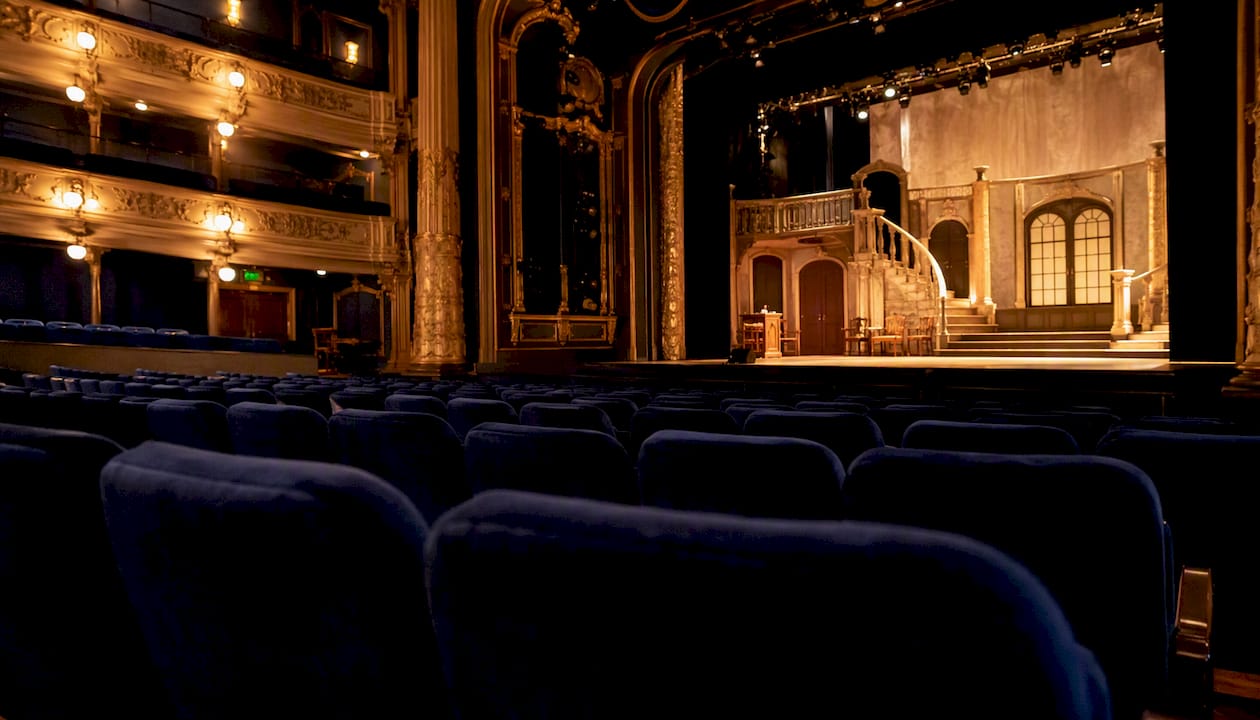
Pros and cons: who should (and shouldn’t) buy preview tickets
The case for buying preview tickets:
Lower cost, often significantly below standard face value
Early access before critics and the general public
The chance to see a production that may change substantially before opening
A more intimate, reactive atmosphere; preview audiences tend to be engaged and curious
PWYC options make theater genuinely accessible for budget-limited patrons
The case against:
Higher cancellation risk, particularly in the first few previews
Possible rough patches in pacing or technical execution
If you’re traveling with nonrefundable flights or hotels, a cancellation is costly
The show you see may differ from the version that gets reviewed and discussed
Quick decision checklist:
Local and flexible? Preview tickets are almost always the right call. Low travel risk, easy to reschedule.
Traveling specifically for this show? Book a later preview or a post-opening performance. The Radio Times guide specifically advises weighing savings against travel disruption risk.
Interested in the creative process? Any preview date works. The earlier, the rawer the experience.
Want the definitive, reviewed version? Wait for post-press-night performances.
On a tight budget? Check for PWYC nights or preview subscription packages first.
How preview audiences influence the final show
Directors and producers don’t just watch previews; they study them. Audience laughter, silence, restlessness, and applause are all data. A joke that lands flat three nights in a row gets cut. A scene that consistently loses the audience gets restructured. This is the core reason previews exist as a distinct phase of production.
The feedback loop works in several ways:
Observable reactions: Directors sit in the house or watch from the back, tracking where attention drifts or where the audience leans in.
Box-office notes: Front-of-house staff often relay comments overheard during intermission or at the box office window.
Post-show discussions: Some theaters hold brief talkbacks or informal conversations with preview audiences to gather direct input.
Internal production meetings: The creative team meets after each preview to assess what worked and what needs adjustment before the next performance.
Attending a preview means your reaction is part of that process. A song cut between preview and opening night, a scene reordered, a character’s motivation clarified — these are all common outcomes of the preview period. If you attend both a preview and a post-opening performance of the same show, the differences can be striking.
How to find preview deals and reduce the risk of surprises
Check the box office directly first. Many theaters hold rush or last-minute preview inventory that doesn’t appear on secondary market sites. The Guthrie, for example, lists rush ticket pricing alongside its preview discounts. Calling or visiting the box office in person often surfaces deals that aren’t posted online.
Buy a preview subscription or package. If you attend multiple shows per season, a preview subscription almost always beats single-ticket pricing. Children’s Theatre Company’s model saves $25 on a five-show adult package. Check PlayMakers Rep’s subscription packages for an example of how theaters publish preview dates and subscriber benefits together.
Look for PWYC nights. These are usually the first preview or a designated community performance. Check the theater’s website or call the box office; PWYC nights are rarely advertised loudly.
Use promo codes strategically. Theater promo codes can stack with already-discounted preview prices at some venues. The Ticket Blog’s theater promo code strategy guide covers how to find and apply codes without losing the discount at checkout.
Prefer later preview dates if you’re risk-averse. First previews are the most likely to experience pauses or cancellations. The final preview before press night is typically the most stable.
Confirm exchange and refund policies before you buy. Some theaters offer free exchanges within a preview period; others don’t. Pasadena Playhouse’s FirstLook members get free exchanges as a built-in perk. Know the policy before you commit.
Monitor production announcements. Follow the theater’s social media and email list. Cast changes, schedule adjustments, and cancellations are usually announced there first.
Pro Tip: If you’re buying preview tickets for a show with a limited run, check whether the theater offers hidden fee discounts at checkout. Service fees on preview tickets can sometimes be waived through membership tiers or promo codes, which adds meaningful savings on top of the already-reduced face value.
Advanced ticketing strategies from The Ticket Blog
For frequent theatergoers, the real savings come from combining multiple discount layers rather than relying on any single one. Here’s how to approach it:
Stack preview subscriptions with waived fees. Membership packages like Pasadena Playhouse’s FirstLook program bundle preview access with fee waivers and exchange flexibility. That combination often beats a discounted single ticket plus standard service fees.
Use promo codes on top of preview pricing. Not every theater allows this, but many do. Always test a promo code at checkout even on an already-discounted preview ticket.
Prioritize seat selection windows. Preview subscribers often get early access to seat maps before the general public. Booking early in the preview period gives you the best seat options at the lowest price.
Track weeknight theater deals alongside preview dates. Preview performances often fall on weeknights, where demand is lower and additional discounts may apply.
Advanced buyer checklist:
Confirm the exchange window (free exchanges are common for preview subscribers, not always for single-ticket buyers)
Check whether your membership tier includes priority seating for previews
Set a calendar reminder for PWYC nights, which are often announced only a week in advance
Review the unsold ticket discount guide to understand when last-minute preview inventory appears
The Ticket Blog’s take on when previews are the right call
The default rule here is straightforward: if you’re local and the show interests you, buy the preview ticket. The savings are real, the experience is genuinely different from a post-opening performance, and the cancellation risk, while present, is manageable when you’re not traveling. The pricing evidence from theaters like the Guthrie and Children’s Theatre Company confirms that preview discounts aren’t token gestures; they reflect a meaningful reduction in face value. For out-of-town visitors, the calculus shifts. Nonrefundable travel tied to an early preview is a real financial risk, and a later preview or post-opening date is the more prudent choice.

The Ticket Blog helps you find preview-night deals
Knowing preview tickets are cheaper is one thing. Finding the actual deals, promo codes, and box-office strategies that make them even more affordable is where The Ticket Blog comes in.
The Ticket Blog tracks theater promo codes, curated discount listings, and box-office tactics across major U.S. productions so you’re not hunting through a dozen theater websites on your own. Whether you’re looking for a PWYC night, a preview subscription, or a last-minute rush deal, the guides here give you a clear path to the best available price. Visit The Ticket Blog to browse current theater deals and sign up for deal alerts. Note: The Ticket Blog is an informational affiliate resource, not a ticket vendor. All purchases are completed through the theater’s own box office or authorized ticketing platforms.
Sources
The factual claims in this article draw from the following theater company and industry resources. For show-specific preview policies, exchange rules, and PWYC dates, always check the theater’s own box office or season subscription page directly.
Recommended
Comments